Why do foreign leaders receive 21-gun salute in India?
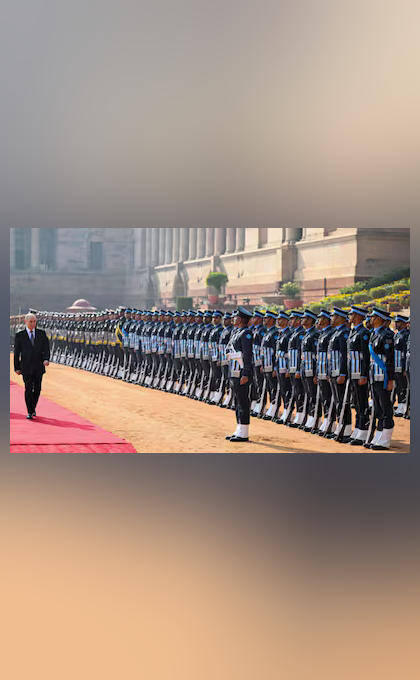
The ceremonial 21-gun salute is a tradition that has been an integral part of India’s protocol for foreign dignitaries, particularly heads of state, for decades. Recently, Russian President Vladimir Putin received this honor at Rashtrapati Bhavan during his visit to India, sparking curiosity about the significance and history behind this prestigious salute. In this blog post, we will delve into the origins of the 21-gun salute, its evolution, and why it remains an essential part of India’s diplomatic protocol.
The 21-gun salute is the highest form of ceremonial respect accorded to foreign heads of state and their families in India. This tradition is a legacy of the British era, when a 21-gun salute was the standard way to honor visiting royalty and high-ranking officials. The number 21 was chosen because it was considered a sacred number, representing the sum of the digits in the biblical verse “Psalm 21.” Over time, the 21-gun salute became an internationally recognized symbol of respect and dignity, adopted by many countries, including India, after gaining independence.
In India, the 21-gun salute is an integral part of the ceremonial welcome extended to foreign heads of state. The salute is typically fired from the Presidential Palace, Rashtrapati Bhavan, or other designated locations, depending on the venue of the visit. The salute is accompanied by other ceremonial honors, such as the guard of honor, the national anthem, and the presentation of flowers. The entire ceremony is designed to showcase the warmth and respect with which India welcomes its esteemed guests.
The 21-gun salute has a rich history, dating back to the 17th century when ships at sea would fire a seven-gun salute to announce their arrival. The number of guns was gradually increased to 21, reflecting the growing importance of the visiting dignitary. In the 19th century, the British Empire adopted the 21-gun salute as the standard way to honor royalty and high-ranking officials. The tradition was inherited by India after independence and has since been continued as a mark of respect for visiting heads of state.
So, why does India continue to accord the 21-gun salute to foreign leaders? The answer lies in the country’s commitment to upholding diplomatic protocol and extending respect to its esteemed guests. The 21-gun salute is a visible symbol of the country’s hospitality and its desire to build strong relationships with other nations. It is also a way to recognize the importance of the visiting leader and the significance of their visit to India.
In addition to its symbolic significance, the 21-gun salute also serves as a reminder of India’s rich history and cultural heritage. The ceremony is a testament to the country’s ability to blend tradition with modernity, while maintaining its unique identity. The 21-gun salute is an integral part of India’s diplomatic protocol, reflecting the country’s commitment to international relations and its desire to engage with the global community.
The 21-gun salute has been accorded to numerous foreign leaders visiting India over the years, including presidents, prime ministers, and monarchs. The list of dignitaries who have received this honor includes heads of state from countries such as the United States, the United Kingdom, France, and China, among others. The salute is a mark of respect and friendship, reflecting India’s desire to build strong relationships with other nations and promote global understanding and cooperation.
In conclusion, the 21-gun salute is a time-honored tradition that reflects India’s commitment to diplomatic protocol and its desire to extend respect to visiting foreign leaders. The salute has a rich history, dating back to the British era, and has been continued as a mark of respect and dignity. As India continues to engage with the global community, the 21-gun salute remains an essential part of the country’s diplomatic protocol, symbolizing its hospitality, respect, and friendship towards other nations.
About the Author