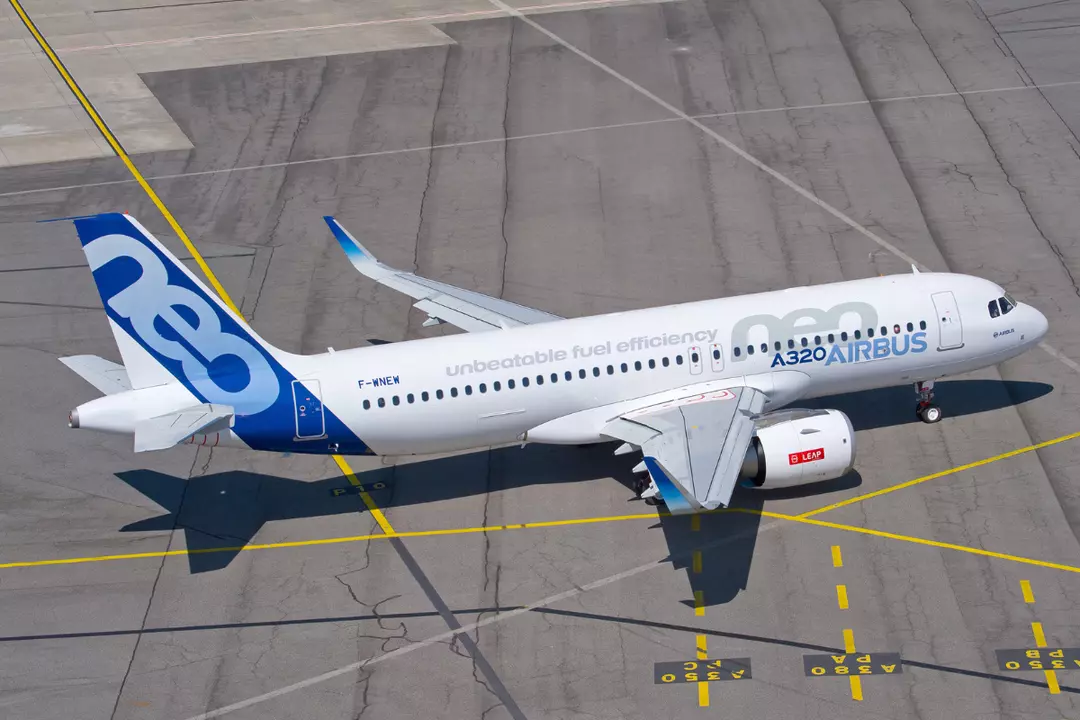
What is the Airbus A320 software issue and why are 6,000 planes grounded?
The aviation industry has been shaken by a recent software issue affecting the Airbus A320, one of the most widely used commercial aircraft in the world. In a shocking turn of events, Airbus recalled 6,000 A320 jets due to a software issue that was discovered when an A320 aircraft suddenly nosedived in the United States without any pilot input, injuring several passengers. The sudden altitude loss was reportedly caused by solar radiation corrupting data in the aircraft’s ELAC (Elevator and Aileron Computer) system, which translates pilot commands to the wings and tail.
The incident has raised serious concerns about the safety of the A320 aircraft and the potential risks associated with solar radiation disruption. According to experts, solar radiation releases charged particles that can disrupt aircraft electronics, including the ELAC system. This can lead to a loss of control of the aircraft, as was seen in the recent incident.
The ELAC system is a critical component of the A320’s fly-by-wire system, which uses electronic signals to control the aircraft’s flight surfaces. The system is designed to receive input from the pilots and translate it into commands that control the movement of the wings and tail. However, if the ELAC system is corrupted by solar radiation, it can send false commands to the flight surfaces, leading to a loss of control of the aircraft.
The software issue affecting the A320 is a complex problem that requires a comprehensive solution. Airbus has announced that it will be implementing a software update to fix the issue, but the process is expected to take several months to complete. In the meantime, the affected aircraft will remain grounded, causing significant disruptions to airline operations and passenger travel.
The recall of 6,000 A320 jets is a significant blow to the aviation industry, which is already facing challenges due to the COVID-19 pandemic. The A320 is one of the most widely used commercial aircraft in the world, with thousands of planes in operation. The grounding of these aircraft will have a significant impact on airline operations, with many flights expected to be cancelled or delayed.
The incident has also raised questions about the safety of the A320 aircraft and the potential risks associated with solar radiation disruption. While the ELAC system is designed to be robust and reliable, the fact that it can be corrupted by solar radiation is a concern. Experts say that solar radiation is a known risk factor for aircraft electronics, and that it is not uncommon for solar radiation to cause disruptions to aircraft systems.
However, the fact that the A320’s ELAC system can be corrupted by solar radiation is a serious concern. The A320 is a highly automated aircraft, and the ELAC system is a critical component of its fly-by-wire system. If the ELAC system is corrupted, it can lead to a loss of control of the aircraft, which can have serious consequences.
The incident has also highlighted the need for improved testing and validation of aircraft systems. While the A320 has undergone extensive testing and validation, the fact that the software issue was not detected until now is a concern. Experts say that aircraft manufacturers need to do more to test and validate their systems, particularly with regards to the potential risks associated with solar radiation disruption.
In conclusion, the Airbus A320 software issue is a serious concern that has significant implications for the aviation industry. The recall of 6,000 A320 jets is a significant blow to airline operations, and the potential risks associated with solar radiation disruption are a concern. While Airbus is working to implement a software update to fix the issue, the incident highlights the need for improved testing and validation of aircraft systems.
As the investigation into the incident continues, it is clear that the aviation industry needs to take a closer look at the potential risks associated with solar radiation disruption. The A320 is a highly reliable aircraft, but the fact that its ELAC system can be corrupted by solar radiation is a concern. By improving testing and validation procedures, and by implementing more robust safety protocols, the aviation industry can reduce the risk of similar incidents occurring in the future.
About the Author