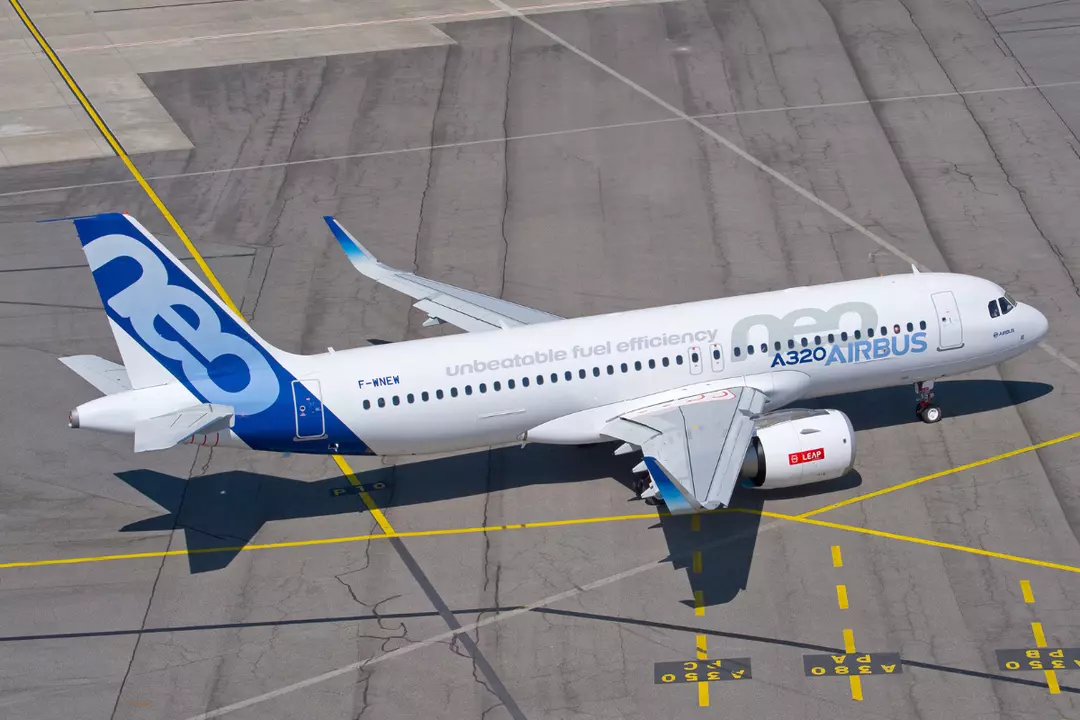
What is the Airbus A320 software issue and why are 6,000 planes grounded?
The aviation industry has been rocked by a recent software issue affecting the Airbus A320, one of the most widely used commercial aircraft in the world. The issue, which was discovered after an A320 aircraft suddenly nosedived in the US without pilot input, has led to the recall of over 6,000 planes. The sudden altitude loss was reportedly caused by solar radiation corrupting data in the aircraft’s Elevator and Aileron Computer (ELAC) system, which translates pilot commands to the wings and tail.
The incident has raised concerns about the safety of air travel and the potential risks posed by solar radiation to aircraft electronics. According to experts, solar radiation can release charged particles that can disrupt aircraft electronics, including the ELAC system. This can lead to a range of problems, including loss of control and unexpected movements of the aircraft.
The ELAC system is a critical component of the A320’s fly-by-wire system, which uses electronic signals to control the aircraft’s flight surfaces. The system is designed to receive input from the pilots and translate it into movements of the wings and tail. However, if the ELAC system is disrupted by solar radiation, it can cause the aircraft to behave erratically, leading to a loss of control.
The incident that led to the recall of the A320 aircraft occurred when an A320 plane suddenly nosedived without pilot input, injuring several passengers. An investigation into the incident revealed that solar radiation had corrupted the data in the ELAC system, causing the aircraft to lose altitude suddenly.
The recall of the A320 aircraft is a significant development, given the widespread use of the plane in commercial aviation. The A320 is one of the most popular commercial aircraft in the world, with over 6,000 planes in service. The recall will likely cause disruptions to air travel, as airlines will be forced to ground their A320 aircraft until the software issue is resolved.
Airbus has issued a statement saying that it is working to resolve the software issue and will provide updates to the affected aircraft. The company has also said that it is working with regulatory authorities to ensure that the issue is addressed promptly and safely.
The incident highlights the potential risks posed by solar radiation to aircraft electronics. Solar radiation can release charged particles that can disrupt aircraft systems, including communication and navigation systems. This can lead to a range of problems, including loss of communication, navigation errors, and even loss of control.
The issue is not limited to the A320 aircraft, as other aircraft may also be vulnerable to solar radiation. However, the A320 is particularly susceptible to the problem due to its fly-by-wire system, which relies on electronic signals to control the aircraft’s flight surfaces.
The recall of the A320 aircraft is a reminder of the importance of ensuring the safety and reliability of aircraft systems. The incident highlights the need for aircraft manufacturers to prioritize the development of robust and resilient systems that can withstand the effects of solar radiation and other external factors.
In conclusion, the Airbus A320 software issue is a significant concern that has led to the recall of over 6,000 planes. The issue, which was discovered after an A320 aircraft suddenly nosedived in the US without pilot input, is caused by solar radiation corrupting data in the ELAC system. The recall will likely cause disruptions to air travel, and it highlights the potential risks posed by solar radiation to aircraft electronics. Airbus is working to resolve the software issue, and regulatory authorities are working to ensure that the issue is addressed promptly and safely.
About the Author