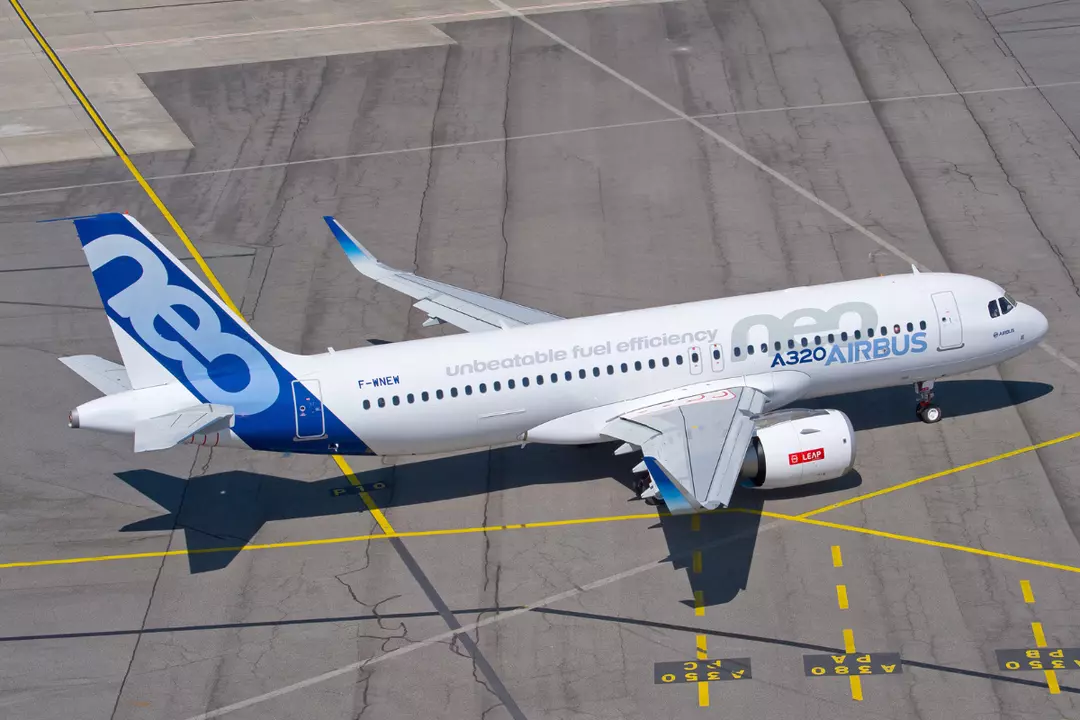
What is the Airbus A320 software issue and why are 6,000 planes grounded?
The aviation industry has been rocked by a recent software issue affecting the Airbus A320, one of the most widely used commercial aircraft in the world. The issue, which was discovered after an A320 aircraft suddenly nosedived in the US without pilot input, has led to the recall of approximately 6,000 planes. The sudden altitude loss was reportedly caused by solar radiation corrupting data in the aircraft’s Elevator and Aileron Computer (ELAC) system, which translates pilot commands to the wings and tail. In this blog post, we will delve into the details of the software issue, its causes, and the implications for the aviation industry.
The incident that led to the recall occurred when an A320 aircraft, operated by a US-based airline, suddenly dropped in altitude without any input from the pilots. The incident resulted in injuries to several passengers, and an investigation was launched to determine the cause of the sudden altitude loss. After conducting a thorough investigation, it was discovered that the cause of the incident was a software issue related to the ELAC system.
The ELAC system is a critical component of the A320’s fly-by-wire system, which translates pilot commands into movements of the aircraft’s wings and tail. The system uses a complex algorithm to determine the optimal control surface movements based on pilot input, airspeed, and other factors. However, the investigation revealed that the ELAC system was vulnerable to corruption by solar radiation, which can release charged particles that can disrupt aircraft electronics.
Experts say that solar radiation can cause a phenomenon known as “single-event upsets” (SEUs), which can corrupt data in electronic systems. SEUs occur when a high-energy particle, such as a proton or an alpha particle, strikes a sensitive area of a microelectronic device, causing a change in the device’s state. In the case of the A320’s ELAC system, the SEU can cause the system to produce incorrect data, leading to unexpected control surface movements.
The software issue is not limited to the A320, as other aircraft models may also be vulnerable to SEUs caused by solar radiation. However, the A320 is one of the most widely used commercial aircraft in the world, with over 6,000 planes in service. As a result, the recall of these planes has significant implications for the aviation industry, with many airlines facing disruptions to their operations.
The recall of the A320 planes has also raised concerns about the safety of air travel. While the incident that led to the recall was serious, it is worth noting that the chances of a similar incident occurring are extremely low. However, the recall highlights the importance of ensuring that aircraft systems are designed and tested to withstand the effects of solar radiation and other forms of electromagnetic interference.
Airbus has issued a statement saying that it is working with regulatory authorities and airlines to address the software issue. The company has also developed a software patch that will prevent the ELAC system from being corrupted by solar radiation. The patch will be installed on all affected aircraft, and airlines will be required to conduct additional tests to ensure that the system is functioning correctly.
In conclusion, the software issue affecting the Airbus A320 is a serious concern that has significant implications for the aviation industry. The recall of 6,000 planes is a testament to the importance of ensuring that aircraft systems are designed and tested to withstand the effects of solar radiation and other forms of electromagnetic interference. While the incident that led to the recall was serious, it is worth noting that the chances of a similar incident occurring are extremely low. Nevertheless, the recall highlights the importance of prioritizing safety in the aviation industry, and airlines and manufacturers must work together to ensure that aircraft systems are reliable and secure.
About the Author