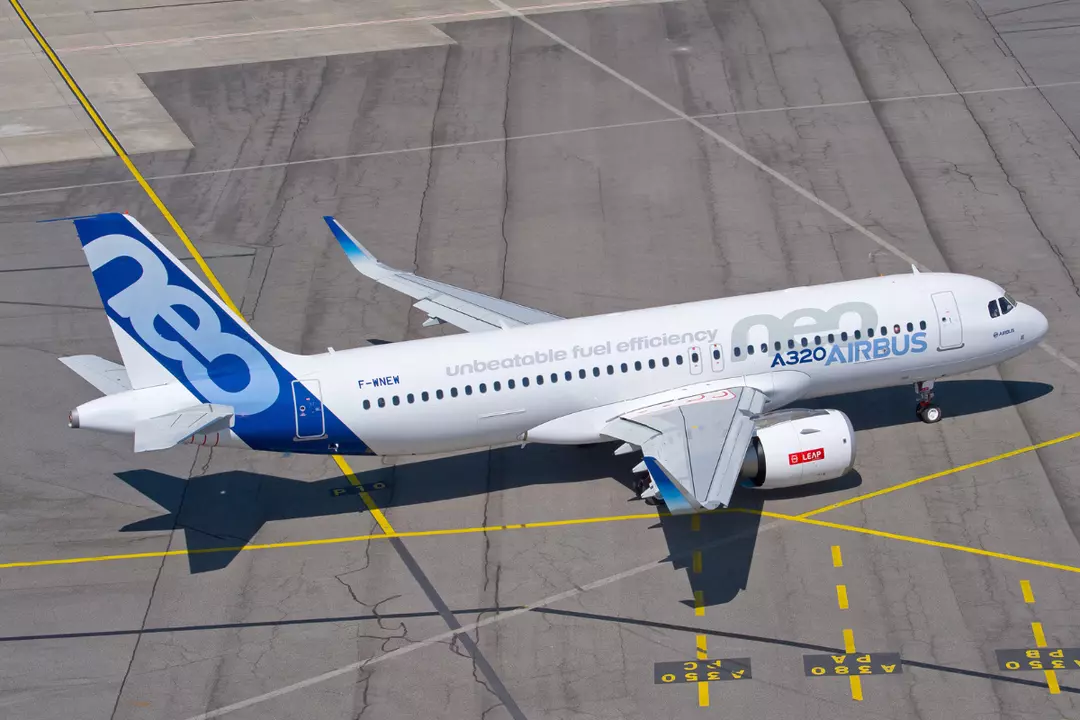
What is the Airbus A320 software issue and why are 6,000 planes grounded?
The aviation industry has been shaken by a recent software issue affecting the Airbus A320, one of the most widely used commercial aircraft in the world. The issue, which was discovered after an A320 aircraft suddenly nosedived in the US without pilot input, has led to the grounding of over 6,000 planes. The incident, which resulted in injuries to passengers, has raised serious concerns about the safety of these aircraft and the potential risks posed by the software issue.
According to reports, the sudden altitude loss experienced by the A320 aircraft was due to solar radiation corrupting data in the aircraft’s Elevator and Aileron Computer (ELAC) system. The ELAC system is a critical component of the aircraft’s flight control system, responsible for translating pilot commands into movements of the wings and tail. The corruption of data in this system led to the aircraft’s sudden and unexplained descent, highlighting the potential dangers of this software issue.
Experts have pointed to solar radiation as the likely cause of the data corruption in the ELAC system. Solar radiation, which is emitted by the sun, can release charged particles that can disrupt aircraft electronics. This phenomenon, known as a “solar flare,” can cause malfunctions in aircraft systems, including the ELAC system. In the case of the A320 aircraft, the solar radiation is believed to have corrupted the data in the ELAC system, leading to the sudden and unexplained descent.
The software issue affecting the A320 has been identified as a potentially catastrophic problem, and as a result, Airbus has recalled over 6,000 of these aircraft. The recall, which is one of the largest in aviation history, is aimed at addressing the software issue and ensuring the safety of passengers and crew. The recall is expected to take several months to complete, during which time the affected aircraft will be grounded.
The grounding of the A320 aircraft has significant implications for the aviation industry. The A320 is one of the most widely used commercial aircraft in the world, and its grounding will likely cause disruptions to flight schedules and operations. Airlines that operate the A320 will be forced to find alternative aircraft to maintain their schedules, which could lead to increased costs and reduced efficiency.
The software issue affecting the A320 also raises questions about the safety of modern aircraft. The A320 is a highly advanced aircraft, equipped with sophisticated computer systems and software. The fact that a software issue could cause such a significant malfunction highlights the potential risks associated with the increasing reliance on technology in aviation.
In addition to the recall, regulators and manufacturers are taking steps to address the software issue and prevent similar incidents in the future. This includes the development of new software and hardware solutions that can mitigate the effects of solar radiation on aircraft electronics. Airlines and regulators are also working to improve the detection and reporting of solar flares, which could help to prevent similar incidents.
The incident also highlights the importance of regular maintenance and inspection of aircraft systems. The software issue affecting the A320 was only discovered after the incident, highlighting the need for more frequent and thorough inspections of aircraft systems. This could include the use of advanced diagnostic tools and techniques to identify potential issues before they become major problems.
In conclusion, the software issue affecting the Airbus A320 is a significant concern for the aviation industry. The grounding of over 6,000 aircraft is a major disruption to flight operations, and the potential risks associated with the software issue are a cause for concern. However, the recall and the efforts to address the software issue are a positive step towards ensuring the safety of passengers and crew. As the investigation into the incident continues, it is likely that more will be learned about the causes of the software issue and the steps that can be taken to prevent similar incidents in the future.
About the Author