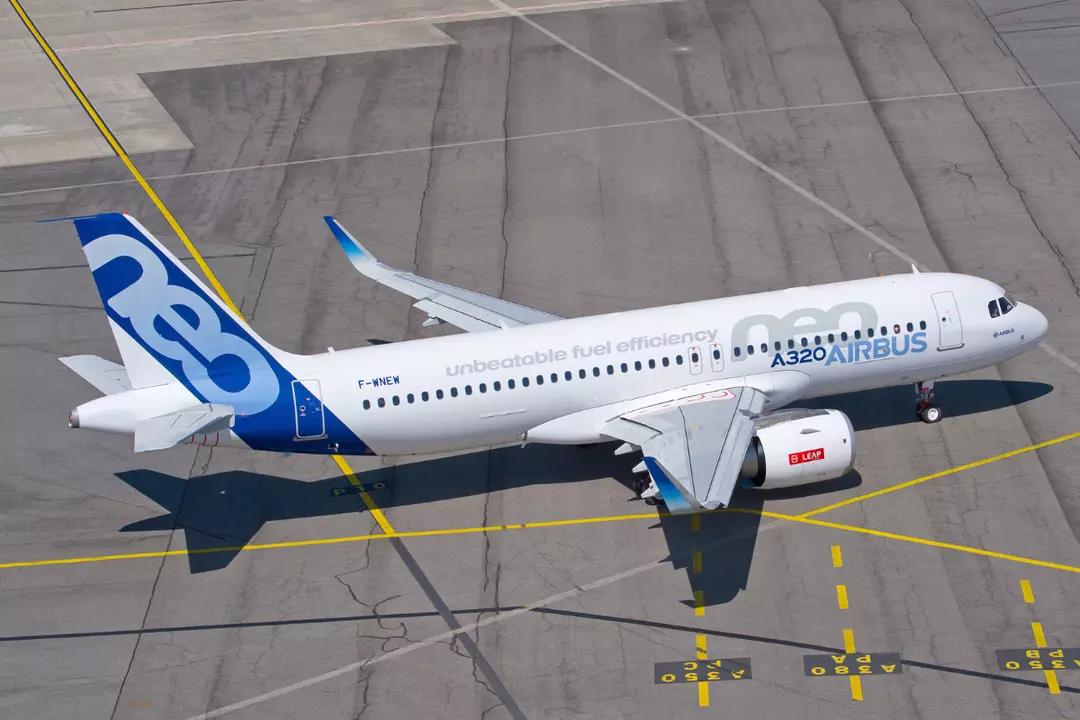
What is the Airbus A320 software issue and why are 6,000 planes grounded?
The aviation industry has been rocked by a recent software issue affecting the Airbus A320, one of the most widely used commercial airliners in the world. In a shocking turn of events, Airbus has recalled 6,000 A320 jets due to a software glitch that was discovered after an A320 aircraft suddenly nosedived in the United States without any input from the pilots, injuring several passengers on board. The sudden altitude loss was reportedly caused by solar radiation corrupting data in the aircraft’s Electronic Flight Control System (ELAC), which is responsible for translating pilot commands to the wings and tail of the plane.
The incident has raised serious concerns about the safety of the A320 fleet, which is used by numerous airlines around the world. According to experts, the software issue is related to the way the ELAC system processes data, which can be disrupted by solar radiation. This disruption can cause the system to malfunction, leading to unpredictable behavior, including sudden changes in altitude.
The ELAC system is a critical component of the A320’s fly-by-wire system, which uses electronic signals to control the aircraft’s flight surfaces. The system is designed to provide a high level of redundancy and safety, but the software issue has highlighted a previously unknown vulnerability. The fact that solar radiation can corrupt data in the ELAC system is a major concern, as it suggests that the aircraft’s electronic systems can be compromised by external factors.
Experts say that solar radiation releases charged particles that can disrupt aircraft electronics, including the ELAC system. This phenomenon is known as a “solar radiation storm,” which can cause electrical disturbances in electronic systems. The effects of solar radiation on aircraft electronics are not well understood, and the incident has highlighted the need for further research into this area.
The recall of 6,000 A320 jets is a major undertaking, and it will likely have significant implications for the aviation industry. Airlines that operate the A320 will be forced to ground their fleets while the software issue is being addressed, which could lead to flight cancellations and delays. The recall will also have a significant impact on Airbus, which will need to provide software updates and support to affected airlines.
The software issue affecting the A320 is a complex problem that will require a comprehensive solution. Airbus will need to work with regulatory authorities, airlines, and other stakeholders to develop and implement a fix for the software glitch. The company will also need to provide training and support to pilots and maintenance personnel to ensure that they are aware of the issue and know how to respond if it occurs.
In addition to the software issue, the incident has highlighted the need for greater transparency and communication in the aviation industry. The fact that the software glitch was not widely known until after the incident suggests that there may be a lack of transparency and communication between manufacturers, regulators, and airlines. This lack of transparency can have serious consequences, as it can lead to a lack of awareness and preparedness among pilots and maintenance personnel.
The recall of the A320 fleet is a major safety initiative, and it demonstrates the commitment of regulatory authorities and manufacturers to ensuring the safety of air travel. The incident has also highlighted the importance of ongoing maintenance and inspection of aircraft, as well as the need for regular software updates and patches.
In conclusion, the software issue affecting the Airbus A320 is a serious concern that has significant implications for the aviation industry. The recall of 6,000 A320 jets is a major undertaking, and it will require a comprehensive solution that addresses the root cause of the problem. The incident has highlighted the need for greater transparency and communication in the aviation industry, as well as the importance of ongoing maintenance and inspection of aircraft.
As the investigation into the software issue continues, it is likely that more information will come to light about the cause of the problem and the steps being taken to address it. In the meantime, airlines and regulatory authorities will need to work together to ensure that the A320 fleet is safe to operate and that passengers are protected from the risk of injury or harm.
About the Author