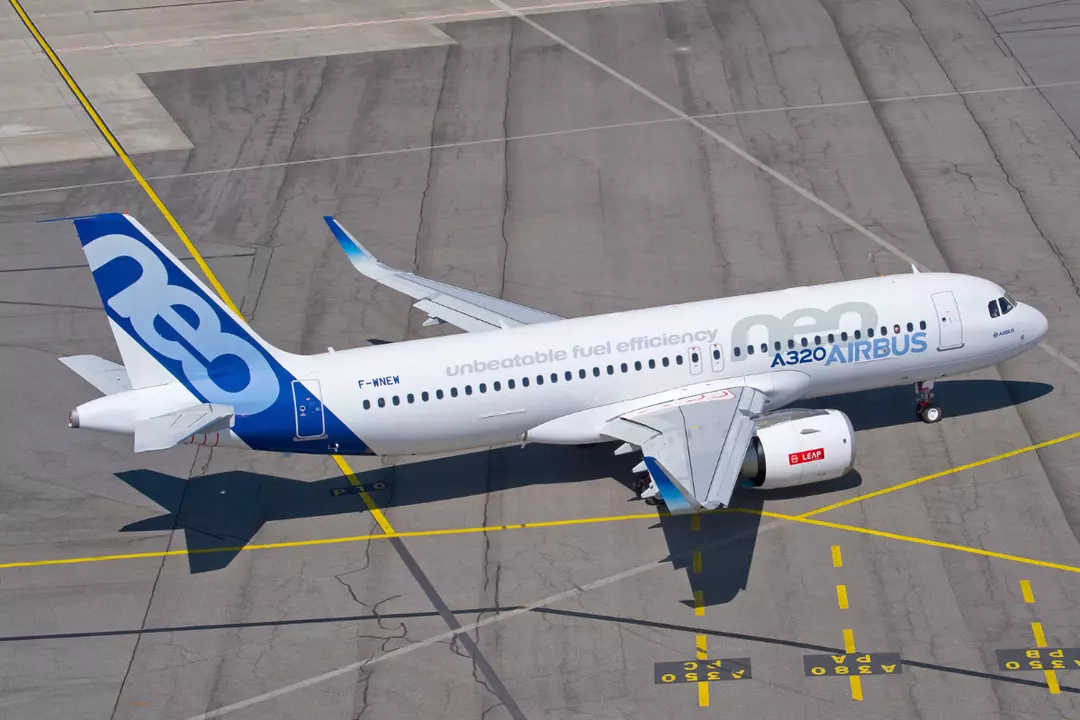
What is the Airbus A320 software issue and why are 6,000 planes grounded?
The aviation industry has been rocked by a recent software issue affecting the Airbus A320, one of the most widely used commercial aircraft in the world. The incident, which has led to the grounding of over 6,000 planes, has raised concerns about the safety and reliability of modern aircraft systems. In this blog post, we will delve into the details of the software issue, its causes, and the implications for the aviation industry.
The issue came to light when an A320 aircraft suddenly nosedived in the United States without any input from the pilots, resulting in injuries to passengers on board. An investigation into the incident revealed that the sudden altitude loss was caused by a software issue related to the aircraft’s Elevator Aileron Computer (ELAC) system. The ELAC system is responsible for translating pilot commands into movements of the wings and tail, and is a critical component of the aircraft’s flight control system.
Experts have identified the root cause of the issue as solar radiation, which can corrupt data in the ELAC system and lead to unpredictable behavior. Solar radiation releases charged particles that can disrupt aircraft electronics, including the ELAC system. This can cause the system to malfunction, leading to sudden and unexpected movements of the aircraft.
The software issue is not limited to a specific batch of aircraft, but rather affects all A320 planes equipped with the ELAC system. As a result, Airbus has recalled over 6,000 A320 jets worldwide, citing the need to update the software and ensure the safety of passengers and crew.
The incident has raised concerns about the vulnerability of modern aircraft systems to external factors such as solar radiation. While aircraft are designed to withstand a range of environmental conditions, the increasing reliance on complex electronic systems has created new risks. The use of software and electronic systems has improved the efficiency and safety of air travel, but it also introduces new potential failure points.
The grounding of the A320 fleet has significant implications for the aviation industry, with many airlines facing disruption to their operations and schedules. The recall is expected to take several weeks to complete, during which time airlines will have to find alternative aircraft to maintain their schedules. This will not only incur significant costs but also impact the travel plans of thousands of passengers.
The incident has also raised questions about the regulatory framework governing the aviation industry. While Airbus has taken prompt action to address the software issue, the fact that it was not detected earlier has raised concerns about the adequacy of safety protocols and testing procedures. Regulatory bodies such as the Federal Aviation Administration (FAA) and the European Aviation Safety Agency (EASA) will likely face scrutiny over their oversight of the industry.
In response to the incident, Airbus has announced plans to update the software on all affected aircraft, as well as to implement additional safety measures to prevent similar incidents in the future. The company has also pledged to work closely with regulatory bodies and airlines to ensure that the recall is completed as quickly and efficiently as possible.
In conclusion, the Airbus A320 software issue is a significant concern for the aviation industry, highlighting the potential risks associated with complex electronic systems and external factors such as solar radiation. While the recall of over 6,000 aircraft is a major disruption, it is a necessary step to ensure the safety of passengers and crew. As the industry moves forward, it is likely that there will be a renewed focus on safety protocols and testing procedures, as well as a greater emphasis on the development of more robust and resilient electronic systems.
About the Author