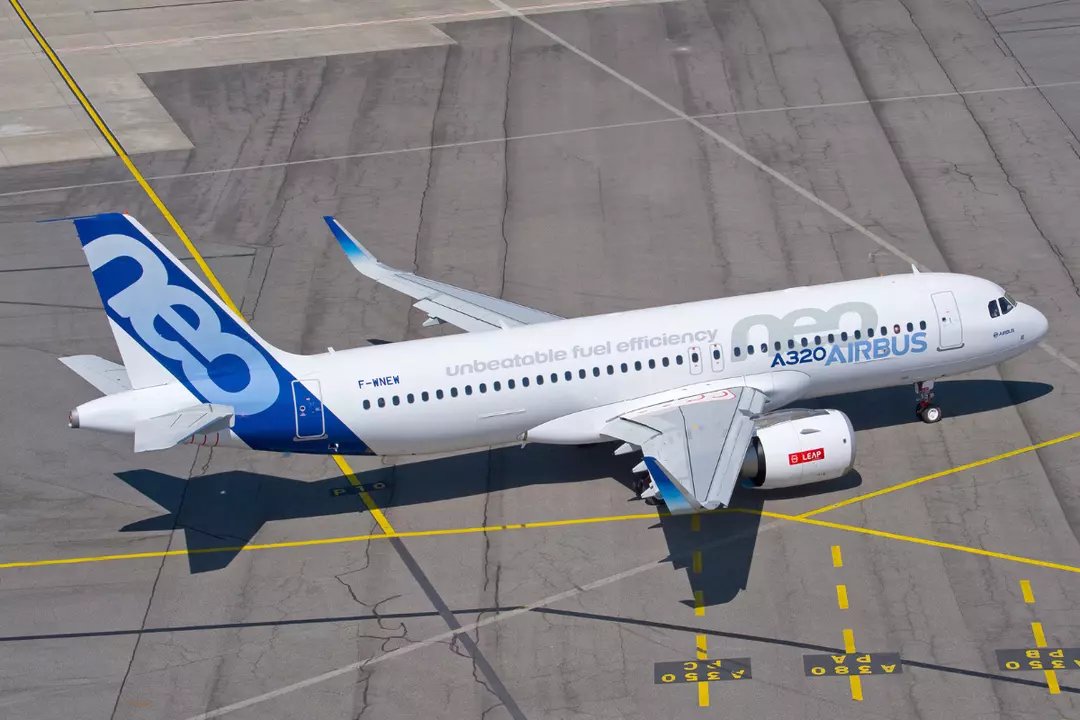
What is the Airbus A320 software issue and why are 6,000 planes grounded?
The aviation industry has been rocked by a recent software issue affecting the Airbus A320, one of the most widely used commercial aircraft in the world. In a shocking turn of events, Airbus has recalled 6,000 A320 jets due to a software issue that was discovered when an A320 aircraft suddenly nosedived in the US without pilot input, injuring several passengers. The sudden altitude loss was reportedly caused by solar radiation corrupting data in the aircraft’s Electronic Flight Control System (ELAC), which translates pilot commands to the wings and tail.
The incident has raised serious concerns about the safety of the A320 aircraft, and experts are scrambling to understand the root cause of the problem. According to reports, the software issue is linked to the way the ELAC system processes data, which can be disrupted by solar radiation. This disruption can cause the aircraft to malfunction, leading to unpredictable and potentially catastrophic consequences.
To understand the issue, it’s essential to delve into the details of the ELAC system and how it works. The ELAC system is a critical component of the A320 aircraft, responsible for controlling the plane’s flight surfaces, including the ailerons, elevators, and rudder. The system uses a complex array of sensors and software to translate pilot commands into precise movements of the flight surfaces, ensuring the aircraft remains stable and on course.
However, the ELAC system is not immune to external factors, including solar radiation. Experts say that solar radiation can release charged particles that can disrupt aircraft electronics, including the ELAC system. This disruption can cause the system to malfunction, leading to unpredictable behavior, such as the sudden nosedive experienced by the A320 aircraft in the US.
The recall of 6,000 A320 jets is a significant development, and it’s likely to have far-reaching consequences for the aviation industry. The recall will require airlines to ground their A320 aircraft, which will undoubtedly cause disruptions to flight schedules and passenger travel plans. The recall will also require Airbus to implement software updates and modifications to the ELAC system to prevent similar incidents in the future.
The software issue affecting the A320 aircraft is a complex problem that requires a comprehensive solution. Airbus will need to work closely with regulatory authorities, airlines, and industry experts to develop and implement a fix that ensures the safety of passengers and crew. The company will also need to provide support and guidance to airlines and pilots to ensure a smooth transition to the updated software.
The incident has also raised questions about the safety of aircraft systems and the potential risks associated with solar radiation. As the aviation industry continues to evolve and become more reliant on complex electronic systems, it’s essential to ensure that these systems are designed and tested to withstand external factors, including solar radiation.
In conclusion, the Airbus A320 software issue is a serious concern that requires immediate attention and action. The recall of 6,000 A320 jets is a significant development, and it’s likely to have far-reaching consequences for the aviation industry. As the investigation into the incident continues, it’s essential to prioritize the safety of passengers and crew and to ensure that the necessary steps are taken to prevent similar incidents in the future.
About the Author