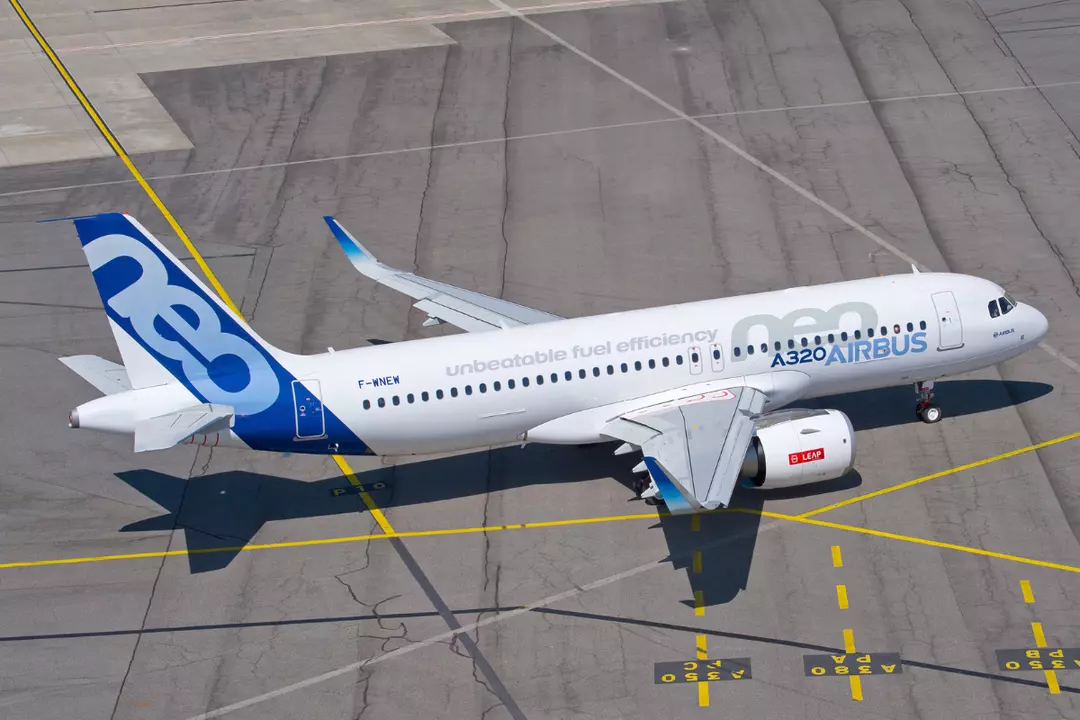
What is the Airbus A320 software issue and why are 6,000 planes grounded?
The aviation industry has been rocked by a recent software issue affecting the Airbus A320, one of the most widely used commercial aircraft in the world. In a shocking turn of events, Airbus has recalled 6,000 A320 jets due to a software issue that was discovered when an A320 aircraft suddenly nosedived in the US without pilot input, injuring several passengers. The incident has raised concerns about the safety of these aircraft and the potential risks associated with software glitches.
According to reports, the sudden altitude loss was due to solar radiation corrupting data in the aircraft’s Elevator and Aileron Computer (ELAC) system. The ELAC system is a critical component of the aircraft’s flight control system, responsible for translating pilot commands to the wings and tail. The system’s malfunction caused the aircraft to dive suddenly, putting the lives of everyone on board at risk.
Experts have attributed the software issue to solar radiation, which can release charged particles that can disrupt aircraft electronics. This phenomenon is known as a “solar radiation disruption” and can have serious consequences for aircraft systems that rely on complex software and electronic components.
The incident has sparked a global recall of 6,000 A320 aircraft, with airlines and regulatory authorities scrambling to address the issue. The recall is a significant undertaking, given the widespread use of the A320 in commercial aviation. The aircraft is used by numerous airlines around the world, including major carriers such as American Airlines, Delta Air Lines, and Air India.
The software issue has also raised questions about the reliability of modern aircraft systems, which rely heavily on complex software and electronic components. While these systems have greatly improved the safety and efficiency of air travel, they are not immune to glitches and malfunctions.
In the case of the A320, the ELAC system is a critical component of the aircraft’s flight control system. The system uses software to translate pilot commands to the wings and tail, allowing the aircraft to climb, descend, and turn. However, the system’s reliance on software and electronic components makes it vulnerable to disruptions caused by solar radiation and other external factors.
The recall of the A320 aircraft has significant implications for the aviation industry, with potential disruptions to flight schedules and operations. Airlines will need to ground their affected aircraft until the software issue is resolved, which could take several weeks or even months. Passengers may also face delays and cancellations as a result of the recall.
In addition to the immediate disruptions, the software issue has also raised concerns about the long-term safety and reliability of the A320 aircraft. While Airbus has assured regulators and airlines that the issue is being addressed, it is likely to take some time to restore confidence in the aircraft.
The incident has also highlighted the need for greater awareness and understanding of the risks associated with software glitches and electronic malfunctions in aircraft systems. As the aviation industry continues to rely on complex software and electronic components, it is essential to develop more robust and resilient systems that can withstand external disruptions.
In conclusion, the Airbus A320 software issue is a significant concern for the aviation industry, with potential risks to the safety and reliability of these aircraft. The recall of 6,000 A320 jets is a major undertaking, and it will take time and effort to resolve the software issue and restore confidence in the aircraft. As the industry moves forward, it is essential to prioritize the development of more robust and resilient systems that can withstand external disruptions and ensure the safety of passengers and crew.
About the Author