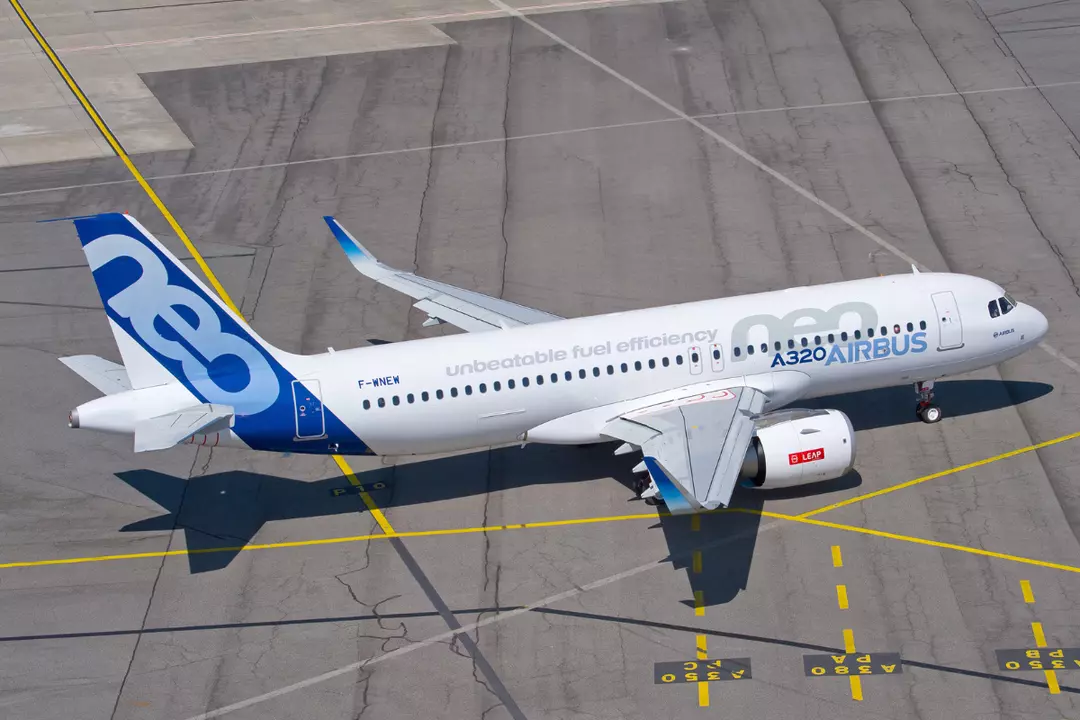
What is the Airbus A320 software issue and why are 6,000 planes grounded?
The aviation industry has been shaken by a recent software issue affecting the Airbus A320, one of the most widely used commercial aircraft in the world. In a shocking turn of events, Airbus has recalled 6,000 A320 jets due to a software issue that was discovered when an A320 aircraft suddenly nosedived in the US without any pilot input, injuring several passengers. The sudden altitude loss was reportedly caused by solar radiation corrupting data in the aircraft’s Elevator and Aileron Computer (ELAC) system, which translates pilot commands to the wings and tail.
The ELAC system is a critical component of the A320’s fly-by-wire (FBW) system, which uses electronic signals to control the aircraft’s flight surfaces. The system is designed to provide precise and reliable control of the aircraft, but in this case, it appears that solar radiation was able to corrupt the data in the ELAC system, leading to the unexpected nosedive. The incident has raised serious concerns about the safety of the A320 and the potential risks associated with solar radiation disruption.
According to experts, solar radiation can release charged particles that can disrupt aircraft electronics, including the ELAC system. This phenomenon is known as a “single event upset” (SEU), which occurs when a high-energy particle strikes a sensitive electronic component, causing it to malfunction. In the case of the A320, the SEU appears to have caused the ELAC system to send incorrect signals to the aircraft’s flight surfaces, resulting in the sudden nosedive.
The recall of 6,000 A320 jets is a significant development, and it highlights the potential risks associated with software issues in commercial aircraft. The A320 is one of the most widely used aircraft in the world, with thousands of planes in service with airlines around the globe. The recall will likely have a significant impact on the aviation industry, with many airlines facing disruptions to their schedules and operations.
The software issue affecting the A320 is a complex problem that requires a comprehensive solution. Airbus has stated that it is working to develop a software update that will prevent similar incidents from occurring in the future. However, the recall of 6,000 jets is a significant undertaking, and it will likely take several months to complete.
In the meantime, airlines and regulatory authorities are taking steps to mitigate the risks associated with the software issue. The Federal Aviation Administration (FAA) has issued a statement advising airlines to take precautions when operating the A320, including monitoring the aircraft’s systems for any signs of malfunction. Airlines are also taking steps to minimize the impact of the recall on their operations, including rerouting flights and using alternative aircraft.
The incident highlights the importance of software safety in commercial aircraft. The use of software in aircraft systems has increased significantly in recent years, and it is now a critical component of many aircraft systems. However, software issues can be difficult to detect and diagnose, and they can have significant consequences if they are not addressed promptly.
The A320 software issue is a wake-up call for the aviation industry, and it highlights the need for more robust software testing and validation procedures. The incident also underscores the importance of collaboration between aircraft manufacturers, airlines, and regulatory authorities to ensure that software issues are identified and addressed promptly.
In conclusion, the Airbus A320 software issue is a significant problem that has raised concerns about the safety of commercial aircraft. The recall of 6,000 A320 jets is a major development, and it highlights the potential risks associated with software issues in aircraft systems. The incident underscores the importance of software safety and the need for more robust testing and validation procedures. As the aviation industry works to address the software issue, it is essential that airlines, aircraft manufacturers, and regulatory authorities collaborate to ensure that the safety of commercial aircraft is maintained.
About the Author