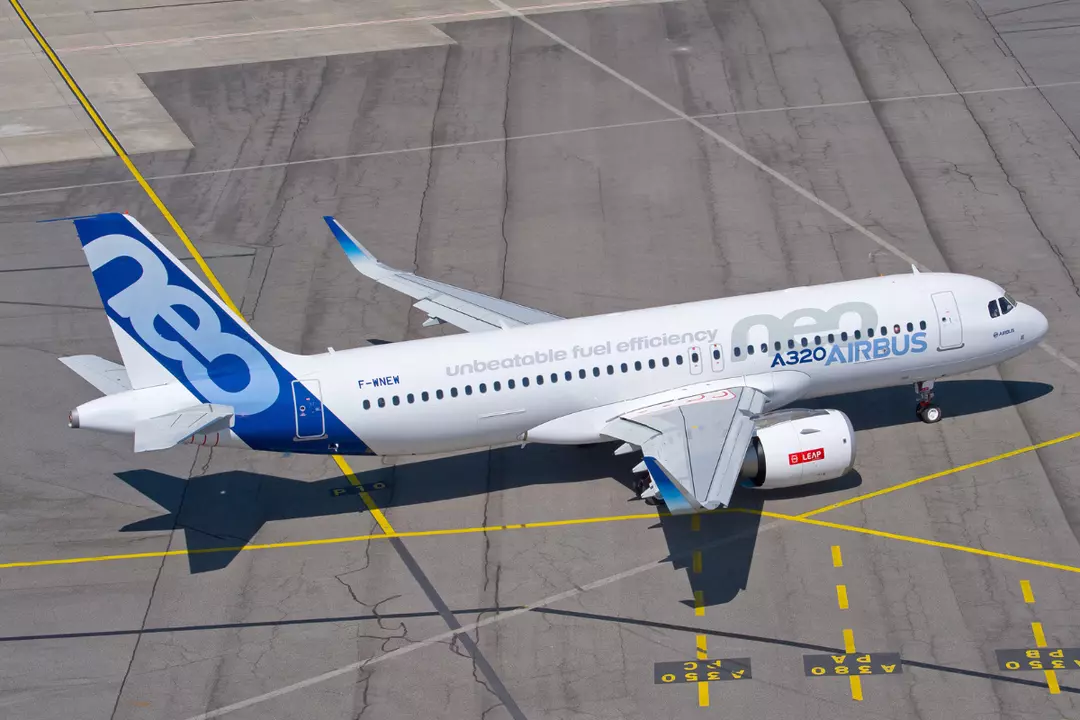
What is the Airbus A320 software issue and why are 6,000 planes grounded?
The aviation industry has been rocked by a recent software issue affecting the Airbus A320, one of the most widely used commercial aircraft in the world. The problem was discovered after an A320 aircraft suddenly nosedived in the US without any input from the pilots, resulting in injuries to passengers on board. The incident has led to Airbus recalling a staggering 6,000 A320 jets, sparking concerns about the safety of air travel. In this blog post, we will delve into the details of the software issue, its causes, and the implications for the aviation industry.
The incident that led to the recall occurred when an A320 aircraft experienced a sudden altitude loss, reportedly due to solar radiation corrupting data in the aircraft’s Elevator Aileron Computer (ELAC) system. The ELAC system is a critical component of the aircraft, responsible for translating pilot commands to the wings and tail. The sudden loss of altitude was a result of the solar radiation releasing charged particles that disrupted the aircraft’s electronics, leading to a loss of control.
Experts say that solar radiation can release charged particles that can disrupt aircraft electronics, including the ELAC system. This phenomenon is known as a “solar radiation event” and can occur when an aircraft flies through a region of intense solar activity. The charged particles can penetrate the aircraft’s shielding and interfere with the electronic systems, causing malfunctions and errors.
The software issue affecting the A320 is related to the aircraft’s fly-by-wire (FBW) system, which uses electronic signals to control the aircraft’s flight surfaces. The FBW system relies on complex software to translate pilot inputs into electronic signals that control the aircraft’s movements. However, the software issue has been found to be vulnerable to solar radiation, which can cause the system to malfunction.
The recall of 6,000 A320 jets is a significant blow to the aviation industry, with many airlines affected by the grounding of their aircraft. The recall is expected to cause disruptions to flight schedules and may result in significant financial losses for the airlines. The incident has also raised concerns about the safety of air travel, with many passengers wondering if they are safe on board an A320 aircraft.
Airbus has stated that the software issue is a “precautionary measure” to ensure the safety of passengers and crew. The company has also announced that it will be implementing a software update to fix the issue, which is expected to take several weeks to complete. In the meantime, airlines have been advised to take precautions to minimize the risk of a solar radiation event, including avoiding flying through regions of intense solar activity.
The incident has also raised questions about the testing and certification of aircraft systems. The Federal Aviation Administration (FAA) has announced an investigation into the incident, which will examine the testing and certification procedures used by Airbus to ensure that the A320’s systems are safe and reliable.
In conclusion, the software issue affecting the Airbus A320 is a serious concern that has significant implications for the aviation industry. The recall of 6,000 A320 jets is a precautionary measure to ensure the safety of passengers and crew, but it also highlights the need for more robust testing and certification procedures to ensure that aircraft systems are safe and reliable. As the investigation into the incident continues, it is clear that the aviation industry will be closely watching the developments and taking steps to minimize the risk of similar incidents in the future.
About the Author