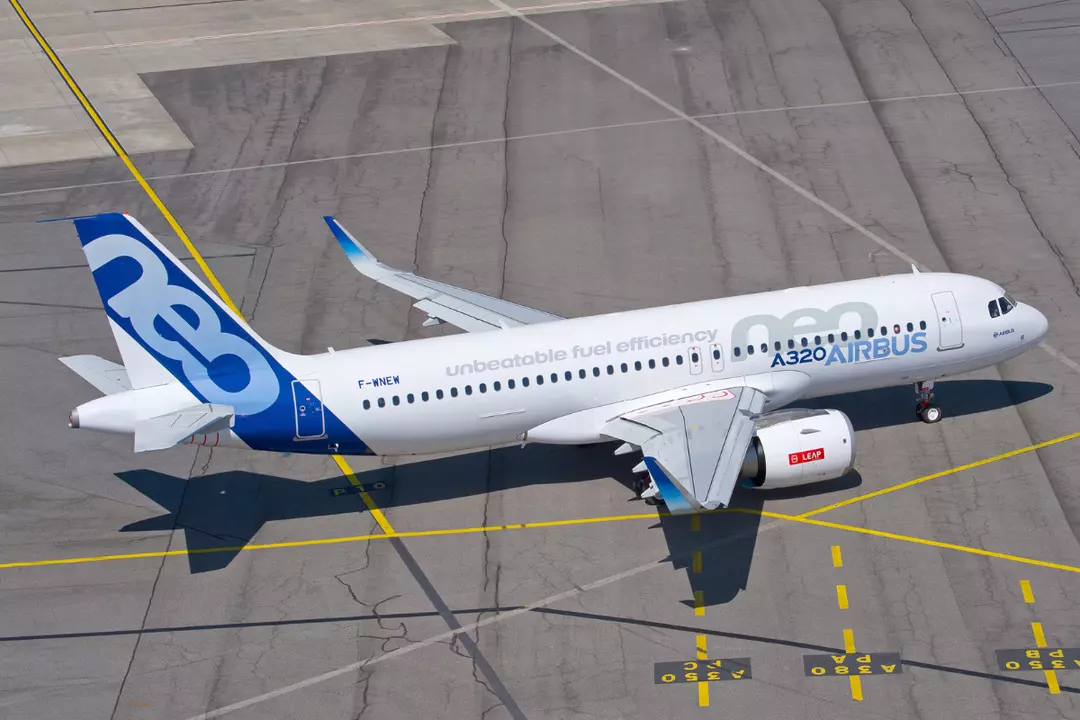
What is the Airbus A320 software issue and why are 6,000 planes grounded?
The aviation industry has been rocked by a recent software issue affecting the Airbus A320, one of the most widely used commercial aircraft in the world. In a shocking turn of events, Airbus has recalled 6,000 A320 jets due to a software glitch that was discovered after an A320 aircraft suddenly nosedived in the United States without any pilot input, injuring several passengers. The incident has raised serious concerns about the safety of these aircraft, and experts are working to understand the root cause of the issue.
At the center of the problem is the Electronic Flight Control System (ELAC), which translates pilot commands to the wings and tail of the aircraft. The ELAC system is a critical component of the A320’s fly-by-wire system, which uses electronic signals to control the aircraft’s flight surfaces. However, it appears that the ELAC system is vulnerable to disruption from solar radiation, which can corrupt the data used to control the aircraft.
According to reports, the sudden altitude loss experienced by the A320 aircraft in the United States was due to solar radiation interfering with the ELAC system. Experts say that solar radiation can release charged particles that can disrupt the aircraft’s electronics, including the ELAC system. This can cause the aircraft to behave erratically, leading to unintended movements such as the nosedive experienced by the A320.
The incident has raised concerns about the safety of the A320 fleet, which is used by airlines all over the world. In response to the issue, Airbus has issued a recall notice for 6,000 A320 jets, which will need to be modified to address the software issue. The recall is a significant undertaking, and it is likely to cause disruptions to airlines and passengers in the coming weeks and months.
So, what exactly is the software issue affecting the A320, and how does it relate to solar radiation? To understand this, it’s necessary to delve into the details of the ELAC system and how it works. The ELAC system uses a complex set of algorithms to translate pilot commands into electronic signals that control the aircraft’s flight surfaces. However, these algorithms are vulnerable to disruption from external factors, including solar radiation.
Solar radiation is a natural phenomenon that occurs when the sun emits charged particles into space. These particles can interact with the Earth’s magnetic field, causing disruptions to electronic systems. In the case of the A320, it appears that solar radiation can corrupt the data used by the ELAC system, leading to unintended movements of the aircraft.
The issue is not limited to the A320, as other aircraft may also be vulnerable to disruption from solar radiation. However, the A320 is a particularly popular aircraft, and the recall notice issued by Airbus is a significant undertaking. The recall will require airlines to ground their A320 jets and modify the ELAC system to address the software issue.
The modification process is likely to be complex and time-consuming, and it may take several weeks or even months to complete. In the meantime, airlines will need to find alternative aircraft to operate their flights, which could lead to disruptions to passengers and cargo.
The incident has also raised questions about the safety of the A320 fleet and the measures in place to prevent such incidents from occurring in the future. The Federal Aviation Administration (FAA) and other regulatory bodies will likely conduct a thorough investigation into the incident and the recall notice issued by Airbus.
In conclusion, the Airbus A320 software issue is a significant concern for the aviation industry, and the recall notice issued by Airbus is a necessary step to ensure the safety of passengers and crew. The issue highlights the importance of ensuring that aircraft systems are designed and tested to withstand external factors such as solar radiation.
As the investigation into the incident continues, it is likely that more information will come to light about the root cause of the problem and the measures that will be taken to prevent such incidents from occurring in the future. In the meantime, airlines and passengers will need to be patient and understanding as the recall notice is implemented and the A320 fleet is modified to address the software issue.
About the Author