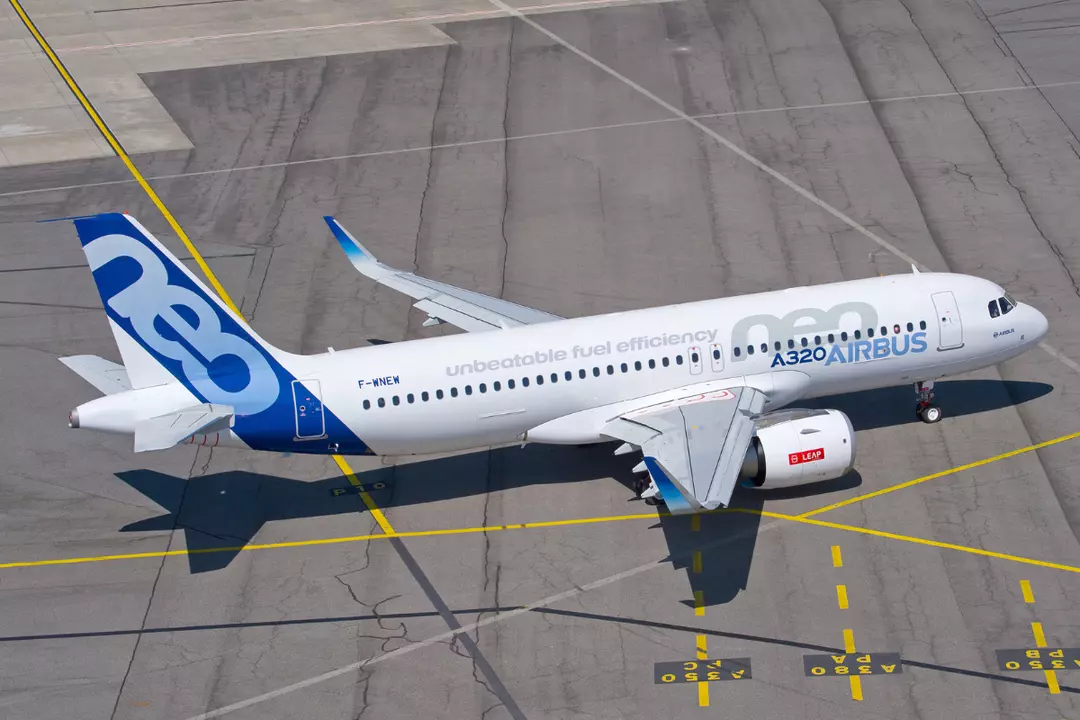
What is the Airbus A320 software issue and why are 6,000 planes grounded?
The aviation industry has been rocked by a recent software issue affecting the popular Airbus A320 jet. In a shocking turn of events, Airbus has recalled a staggering 6,000 A320 aircraft due to a software glitch that was discovered after an A320 plane suddenly nosedived in the United States without any input from the pilots. The incident, which injured several passengers, has raised serious concerns about the safety of these aircraft and the potential risks associated with the software issue.
According to reports, the sudden altitude loss experienced by the A320 aircraft was caused by solar radiation corrupting data in the aircraft’s Elevator and Aileron Computer (ELAC) system. The ELAC system is a critical component of the aircraft’s flight control system, responsible for translating pilot commands into movements of the wings and tail. The system plays a vital role in maintaining the aircraft’s stability and control during flight.
Experts have explained that solar radiation can release charged particles that can disrupt the electronics of an aircraft, potentially leading to malfunctions like the one experienced by the A320. This phenomenon is not unique to the A320, as solar radiation can affect any aircraft that relies on electronic systems for flight control. However, the severity of the issue and the potential risks it poses to passenger safety have prompted Airbus to take immediate action and ground the affected aircraft.
The software issue has been identified as a critical flaw that can cause the aircraft to lose altitude suddenly, without any warning or input from the pilots. This can lead to a range of serious consequences, including loss of control, injury to passengers, and even crashes. The fact that the issue was discovered after an incident in which passengers were injured has highlighted the urgency of the situation and the need for immediate action to address the problem.
Airbus has responded quickly to the crisis, recalling all 6,000 affected A320 aircraft and issuing a software update to fix the issue. The company has also worked closely with regulatory authorities and airlines to ensure that the affected aircraft are grounded until the software update can be installed. This move is expected to cause significant disruptions to air travel, as many airlines rely heavily on the A320 for their operations.
The recall of the A320 aircraft has also raised questions about the safety of other aircraft that may be vulnerable to similar software issues. As the use of electronic systems in aircraft becomes more widespread, the risk of software glitches and malfunctions increases. This highlights the need for rigorous testing and validation of aircraft software, as well as robust safety protocols to mitigate the risks associated with electronic system failures.
In addition to the software issue, the incident has also highlighted the importance of pilot training and preparedness. While the software glitch was the primary cause of the incident, the pilots’ ability to respond quickly and effectively to the emergency situation played a critical role in minimizing the damage. This underscores the need for ongoing pilot training and simulation exercises to prepare pilots for unexpected events and emergencies.
The grounding of the A320 aircraft has significant implications for the aviation industry, with potential delays and cancellations of flights. Airlines that operate the A320 will need to find alternative aircraft to maintain their schedules, which could lead to increased costs and reduced efficiency. The incident may also have a negative impact on passenger confidence, as the safety of air travel is a top concern for many travelers.
In conclusion, the Airbus A320 software issue is a serious concern that has prompted the recall of 6,000 aircraft. The issue, which was discovered after an incident in which an A320 plane suddenly nosedived without pilot input, highlights the risks associated with software glitches and electronic system failures in aircraft. As the aviation industry continues to rely on electronic systems for flight control, the need for robust safety protocols and rigorous testing and validation of aircraft software has never been more pressing.
About the Author