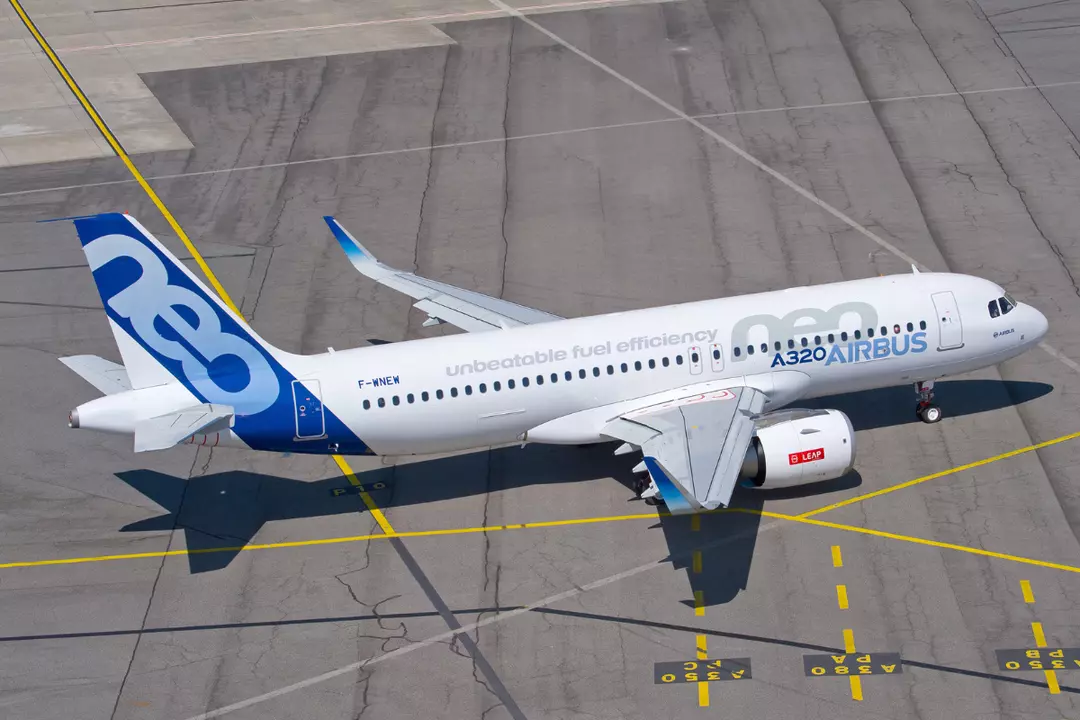
What is the Airbus A320 software issue and why are 6,000 planes grounded?
The aviation industry has been rocked by a recent software issue affecting the Airbus A320, one of the most widely used commercial aircraft in the world. In a shocking turn of events, Airbus has recalled 6,000 A320 jets due to a software issue that was discovered when an A320 aircraft suddenly nosedived in the US without any pilot input, injuring several passengers. The incident has raised serious concerns about the safety of these aircraft and has led to a massive recall effort.
The sudden altitude loss was reportedly due to solar radiation corrupting data in the aircraft’s Elevator and Aileron Computer (ELAC) system, which translates pilot commands to the wings and tail of the aircraft. This system is critical to the aircraft’s flight control and stability, and any disruption to it can have catastrophic consequences. According to experts, solar radiation can release charged particles that can disrupt aircraft electronics, including the ELAC system.
The incident that led to the recall occurred when an A320 aircraft, operated by a US-based airline, suddenly nosedived without any warning or pilot input. The aircraft rapidly lost altitude, causing injuries to several passengers on board. Fortunately, the pilots were able to regain control of the aircraft and prevent a major disaster. However, the incident highlighted a serious software issue that needed to be addressed immediately.
The ELAC system is a critical component of the A320’s flight control system. It takes inputs from the pilots and translates them into commands that control the movement of the wings and tail of the aircraft. The system is designed to ensure that the aircraft remains stable and responsive to pilot inputs, even in turbulent or emergency situations. However, the software issue that has been identified can cause the ELAC system to malfunction, leading to a loss of control of the aircraft.
The recall of 6,000 A320 jets is a massive effort that will involve significant resources and manpower. Airbus will need to work with airlines and regulatory authorities to identify and ground all affected aircraft, and then implement a software fix to resolve the issue. The process is expected to take several weeks, if not months, and will likely cause significant disruptions to air travel.
The incident has also raised questions about the safety of aircraft electronics and the potential risks posed by solar radiation. Solar radiation is a natural phenomenon that can cause disruptions to electronic systems, including those used in aircraft. While the risk of solar radiation causing a malfunction is relatively low, it is still a concern that needs to be taken seriously.
Experts say that solar radiation can release charged particles that can interact with electronic systems, causing malfunctions or disruptions. This is particularly concerning for aircraft, which rely on complex electronic systems to operate safely. The incident involving the A320 highlights the need for aircraft manufacturers and regulatory authorities to take a closer look at the potential risks posed by solar radiation and to develop strategies to mitigate them.
In addition to the recall, regulatory authorities are also investigating the incident to determine the root cause of the software issue and to identify any other potential risks. The investigation will involve a thorough review of the aircraft’s systems and software, as well as interviews with pilots and maintenance personnel.
The recall of the A320 jets is a significant development that will have far-reaching implications for the aviation industry. It highlights the importance of safety and the need for aircraft manufacturers to prioritize the development of robust and reliable software systems. It also underscores the need for regulatory authorities to be vigilant and proactive in identifying and addressing potential safety risks.
In conclusion, the software issue affecting the Airbus A320 is a serious concern that has led to the recall of 6,000 aircraft. The incident highlights the potential risks posed by solar radiation and the need for aircraft manufacturers and regulatory authorities to take a closer look at the safety of aircraft electronics. While the recall will cause significant disruptions to air travel, it is a necessary step to ensure the safety of passengers and crew.
About the Author