What is the Airbus A320 software issue and why are 6,000 planes grounded?
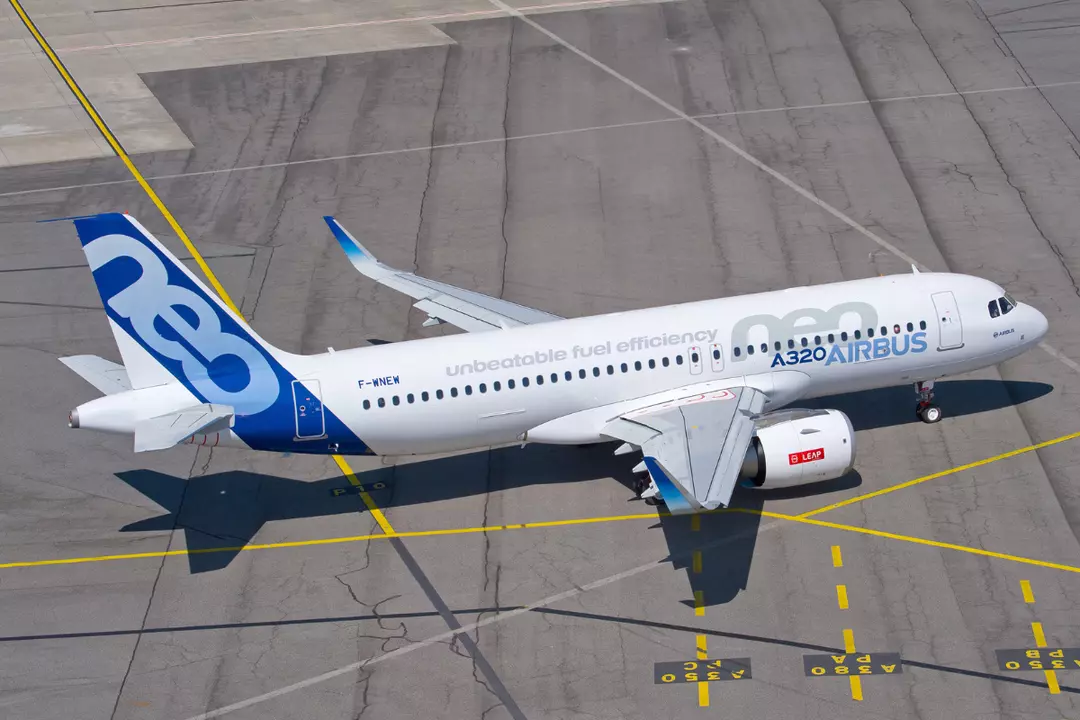
The aviation industry has been shaken by a recent software issue affecting the Airbus A320, one of the most widely used commercial aircraft in the world. In a shocking turn of events, Airbus was forced to recall an astonishing 6,000 A320 jets due to a software glitch that was discovered after a frightening incident in the United States. On a typical flight, an A320 aircraft suddenly nosedived without any pilot input, leaving passengers injured and terrified. The sudden altitude loss was attributed to an unexpected cause: solar radiation corrupting data in the aircraft’s Electronic Centralized Aircraft Monitor (ELAC) system.
The ELAC system plays a critical role in the aircraft’s operation, as it translates pilot commands into movements of the wings and tail. However, it appears that the system is vulnerable to disruption caused by solar radiation, which releases charged particles that can interfere with the aircraft’s electronics. This phenomenon, known as a “solar radiation disruption,” has raised concerns about the safety and reliability of the A320’s software.
The incident that led to the recall occurred when an A320 aircraft, operating a routine flight in the United States, suddenly plummeted without any warning or pilot input. The aircraft’s automated systems, which are designed to prevent such incidents, failed to intervene, and the plane only regained stable flight after the pilots took manual control. Fortunately, the incident did not result in any fatalities, but it did leave several passengers injured and shaken.
An investigation into the incident revealed that the ELAC system had been compromised by solar radiation, which had corrupted the data used to control the aircraft’s flight surfaces. The software issue, which had gone undetected until the incident, was found to be a previously unknown vulnerability that had not been accounted for in the aircraft’s design or testing.
The recall of 6,000 A320 jets is a significant blow to the aviation industry, as it affects not only Airbus but also the airlines that operate the aircraft. The recall is expected to cause disruptions to flight schedules and may result in significant costs for the airlines affected. However, the safety of passengers and crew is the top priority, and the recall is a necessary measure to ensure that the software issue is addressed and the aircraft are safe to fly.
Experts say that solar radiation is a known hazard for aircraft electronics, as it can release charged particles that can disrupt the normal functioning of electronic systems. However, the A320’s software issue is a unique case, as it appears to be a previously unknown vulnerability that was not detected during the aircraft’s design or testing.
The incident has raised questions about the reliability and safety of modern aircraft, which rely heavily on complex software systems to operate. While the A320 is a highly reliable aircraft with a proven safety record, the software issue has highlighted the potential risks associated with the increasing use of automation and electronic systems in aviation.
Airbus has responded quickly to the incident, issuing a software update to address the vulnerability and prevent similar incidents in the future. The company has also worked closely with regulatory authorities and airlines to ensure that the recall is carried out efficiently and with minimal disruption to passengers.
In conclusion, the Airbus A320 software issue is a significant concern for the aviation industry, as it affects not only the safety of passengers and crew but also the reliability and efficiency of air travel. The recall of 6,000 A320 jets is a necessary measure to ensure that the software issue is addressed, and the aircraft are safe to fly. As the investigation into the incident continues, it is clear that the aviation industry must remain vigilant and proactive in addressing potential safety risks, including those associated with solar radiation disruption.
The incident serves as a reminder of the importance of ongoing safety monitoring and maintenance in the aviation industry. It also highlights the need for continued investment in research and development to improve the safety and reliability of aircraft systems, including software and electronic systems.
For now, the recall of the A320 jets will undoubtedly cause some disruption to air travel, but it is a small price to pay for the safety and security of passengers and crew. As the aviation industry continues to evolve and improve, incidents like this serve as a reminder of the importance of prioritizing safety above all else.
About the Author