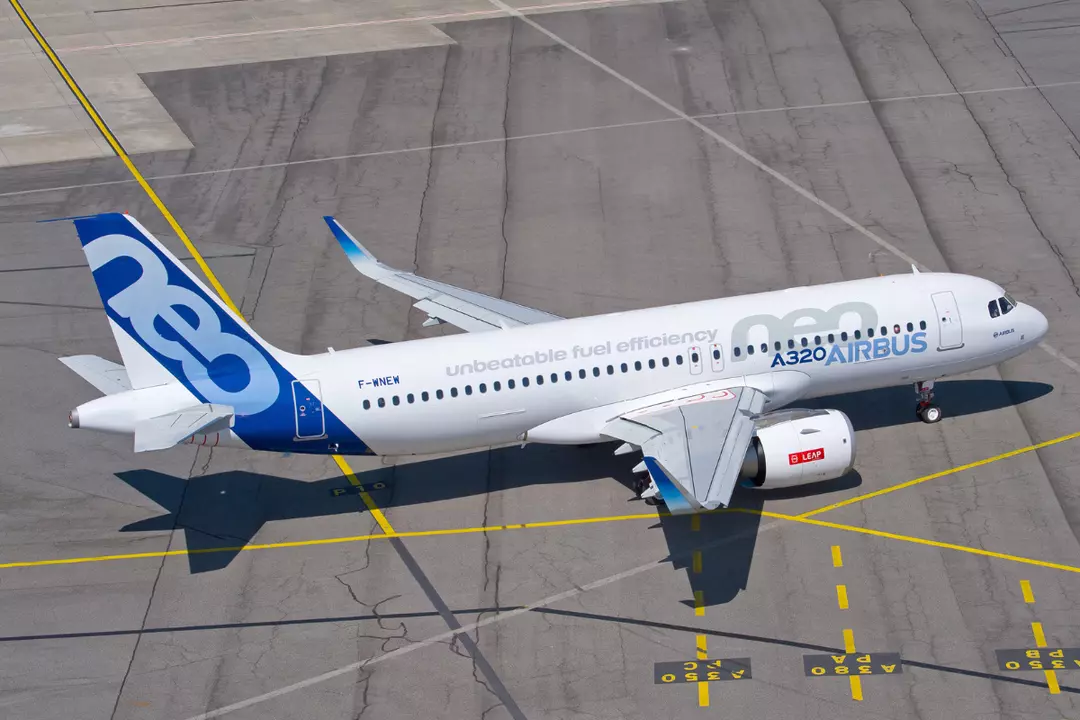
What is the Airbus A320 software issue and why are 6,000 planes grounded?
The aviation industry has been rocked by a recent software issue affecting the Airbus A320, one of the most widely used commercial airliners in the world. The problem came to light after an A320 aircraft suddenly nosedived in the US without any input from the pilots, resulting in injuries to passengers on board. The incident has led to the grounding of approximately 6,000 A320 jets, with Airbus issuing a recall to address the issue. In this blog post, we will delve into the details of the software issue, its causes, and the implications for the aviation industry.
The incident that triggered the recall occurred when an A320 aircraft, operated by a US-based airline, experienced a sudden loss of altitude without any input from the pilots. The plane’s Electronic Flight Control System (ELAC) was found to be the culprit behind the unexpected dive. The ELAC system plays a critical role in translating pilot commands to the wings and tail of the aircraft, enabling it to respond to control inputs. However, in this case, the system malfunctioned, causing the plane to nosedive.
Investigations into the incident revealed that the ELAC system was corrupted by solar radiation, which disrupted the data used to control the aircraft. Solar radiation is known to release charged particles that can interfere with electronic systems, including those used in aircraft. In this case, the solar radiation corrupted the data in the ELAC system, leading to the unexpected loss of altitude.
The software issue affecting the A320 is a complex problem that requires a thorough understanding of the aircraft’s electronic systems. The ELAC system is a critical component of the aircraft’s fly-by-wire system, which uses electronic signals to control the plane’s movements. The system relies on a complex network of sensors, computers, and actuators to translate pilot commands into precise control movements.
The corruption of data in the ELAC system by solar radiation is a rare but potentially catastrophic event. The sudden loss of altitude experienced by the A320 aircraft in the US is a stark reminder of the risks associated with electronic system failures in aircraft. The incident highlights the need for robust testing and validation of aircraft systems to ensure that they can withstand the effects of solar radiation and other forms of electromagnetic interference.
The recall of 6,000 A320 jets is a significant development that will have far-reaching implications for the aviation industry. The grounding of these aircraft will result in significant disruptions to flight schedules, with airlines facing the prospect of canceling flights and rearranging passenger itineraries. The recall will also have a major impact on Airbus, which will need to implement a software fix to address the issue.
Experts say that the software issue affecting the A320 is a wake-up call for the aviation industry, highlighting the need for more robust testing and validation of aircraft systems. The incident also underscores the importance of monitoring and maintaining aircraft electronics to prevent similar malfunctions in the future.
In conclusion, the Airbus A320 software issue is a complex problem that has significant implications for the aviation industry. The recall of 6,000 A320 jets is a major development that will result in disruptions to flight schedules and have a significant impact on Airbus. The incident highlights the need for more robust testing and validation of aircraft systems, as well as the importance of monitoring and maintaining aircraft electronics to prevent similar malfunctions in the future.
As the aviation industry grapples with the implications of the A320 software issue, one thing is clear: the safety of passengers and crew is paramount. The recall of the A320 jets is a necessary step to ensure that the aircraft are airworthy and that the risk of similar incidents is minimized. As the investigation into the incident continues, it is likely that more details will emerge about the causes of the software issue and the steps being taken to address it.
For now, the aviation industry will be watching with bated breath as the situation unfolds. The recall of the A320 jets is a significant development that will have far-reaching implications for the industry. As the situation continues to evolve, one thing is clear: the safety of passengers and crew will remain the top priority.
About the Author