What is ‘Sell America’ trade, resurfaced after probe involving Fed’s Powell?
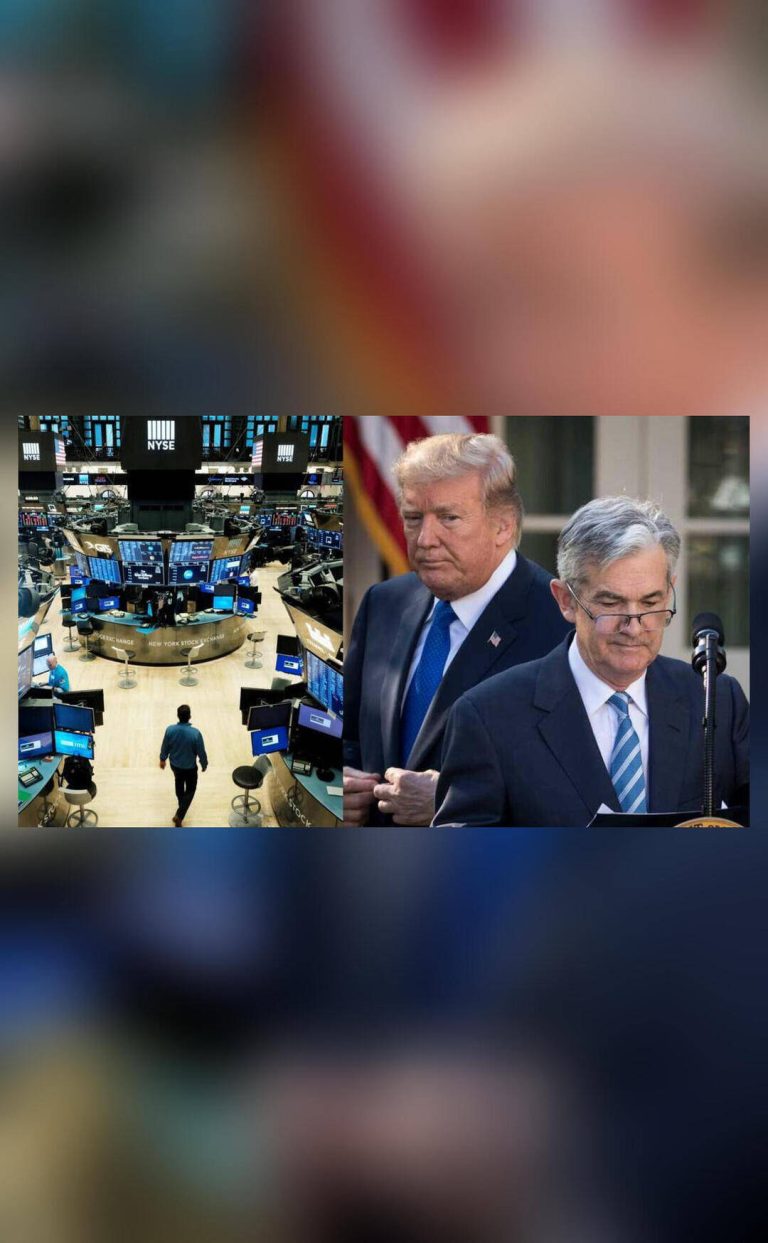
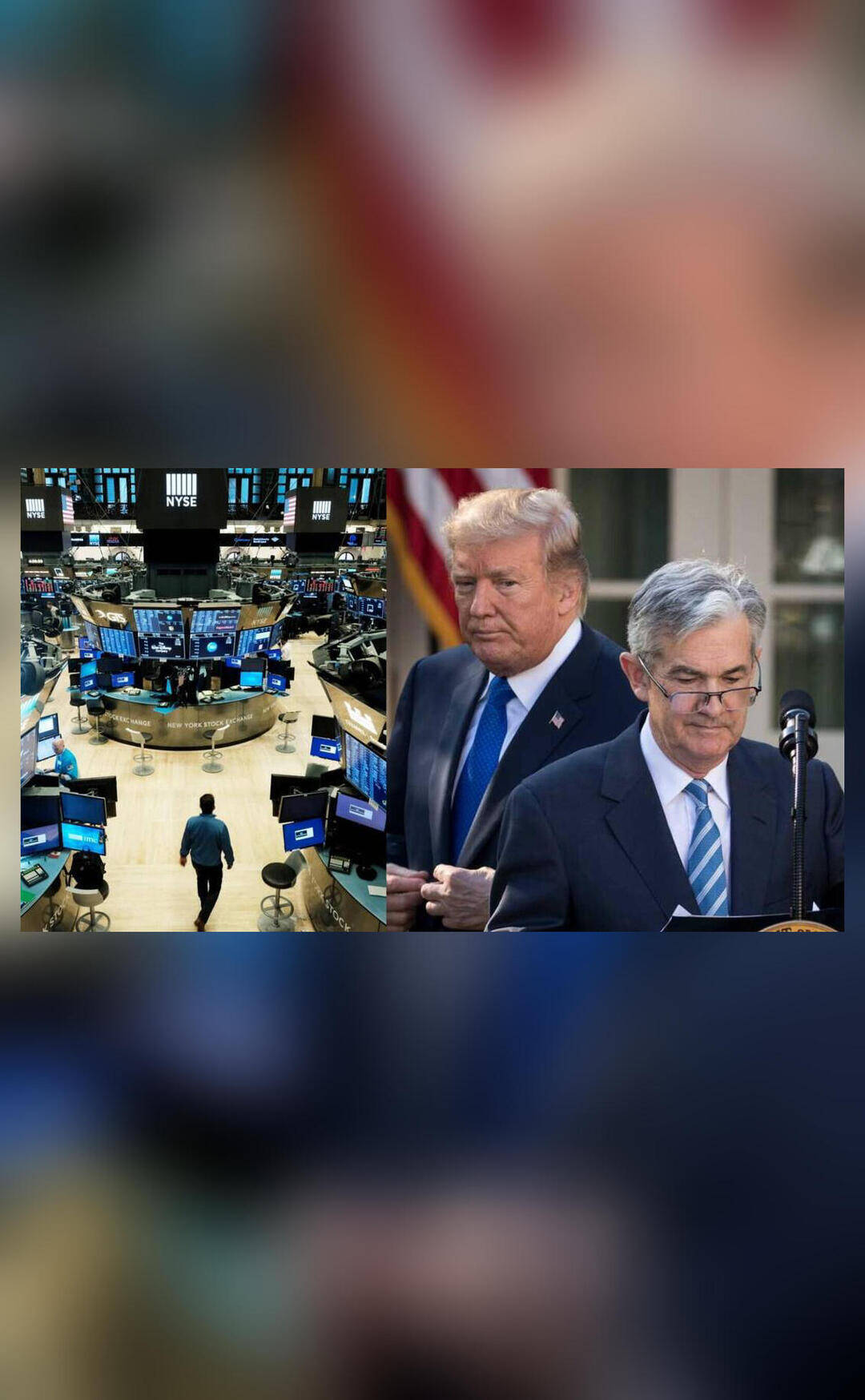
The term “Sell America” trade has resurfaced in US markets, and it’s not a good sign for the country’s economy. On Monday, federal prosecutors opened a criminal investigation into Federal Reserve chair Jerome Powell, sparking a wave of selling in US stocks, government bonds, and the US dollar. This phenomenon is known as the “Sell America” trade, and it’s a situation where investors lose confidence in the US economy or its leadership.
When investors lose faith in the US economy, they start selling off their US assets, including stocks, bonds, and the dollar. This can have a significant impact on the US financial markets, leading to a decline in stock prices, a rise in bond yields, and a depreciation of the US dollar. The “Sell America” trade is often seen as a vote of no confidence in the US economy and its leadership, and it can have far-reaching consequences for the country’s financial stability.
The current investigation into Fed chair Jerome Powell has sparked fears among investors about the independence of the Federal Reserve. The Fed is supposed to be an independent institution, free from political interference, but the investigation has raised questions about whether the central bank is being influenced by external factors. This has led to a loss of confidence among investors, triggering the “Sell America” trade.
The “Sell America” trade is not a new phenomenon. It has occurred several times in the past, often in response to economic or political crises. For example, during the 2008 financial crisis, investors lost confidence in the US economy, leading to a massive sell-off in US stocks and bonds. Similarly, during the 2011 debt ceiling crisis, investors sold off US assets, fearing that the country would default on its debt.
The “Sell America” trade can have significant consequences for the US economy. A decline in stock prices can lead to a reduction in consumer spending, as investors become more risk-averse and less likely to invest in the stock market. A rise in bond yields can make borrowing more expensive, leading to a slowdown in economic growth. And a depreciation of the US dollar can make imports more expensive, leading to higher inflation.
The current “Sell America” trade is particularly concerning because it comes at a time when the US economy is already facing significant challenges. The country is struggling with high inflation, slow economic growth, and a trade war with China. The investigation into Fed chair Powell has added to these concerns, leading to a loss of confidence among investors.
The “Sell America” trade is not just limited to US investors. Foreign investors, who hold a significant portion of US debt, are also selling off their US assets. This can lead to a decline in foreign investment in the US, which can have significant consequences for the country’s economy.
The US government and the Federal Reserve need to take steps to address the concerns of investors and restore confidence in the US economy. This can involve taking measures to reduce the budget deficit, improve the country’s trade balance, and strengthen the independence of the Federal Reserve. The government and the Fed also need to communicate clearly with investors, providing them with a clear and consistent message about the state of the economy and the actions being taken to address the challenges facing the country.
In conclusion, the “Sell America” trade is a phenomenon where investors lose confidence in the US economy or its leadership, leading to a sell-off in US stocks, government bonds, and the US dollar. The current investigation into Fed chair Jerome Powell has sparked this trade, leading to a decline in US financial markets. The US government and the Federal Reserve need to take steps to address the concerns of investors and restore confidence in the US economy.
About the Author