What is ‘Sell America’ trade, resurfaced after probe involving Fed’s Powell?
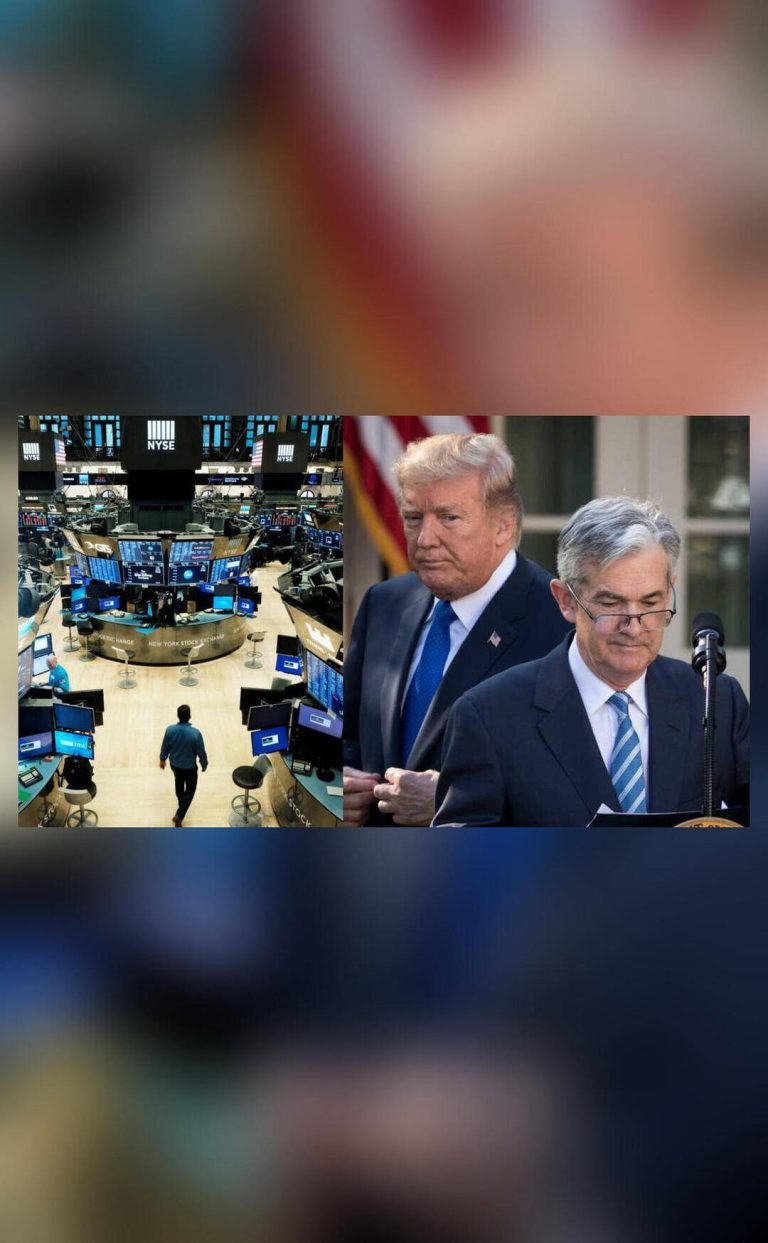
The ‘Sell America’ trade emerged in US markets on Monday after federal prosecutors opened a criminal investigation into Federal Reserve chair Jerome Powell. The term refers to a situation when investors lose confidence in the US economy or its leadership. When this happens, they start selling US stocks, US government bonds, and the US dollar all at the same time. This phenomenon is a significant indicator of the market’s perception of the country’s economic stability and the credibility of its institutions.
The investigation into Powell has sparked concerns among investors about the independence of the Federal Reserve, which is a crucial aspect of the US economic system. The Federal Reserve, also known as the Fed, is responsible for setting monetary policy, regulating banks, and maintaining the stability of the financial system. The probe has raised questions about the potential impact on the Fed’s ability to make decisions without political interference, which could have far-reaching consequences for the US economy.
The ‘Sell America’ trade is not a new concept, but it has gained significant attention in recent years due to the increasing uncertainty and volatility in global markets. When investors lose confidence in the US economy, they tend to sell their holdings in US assets, such as stocks, bonds, and currency, and seek safer alternatives in other countries. This can lead to a decline in the value of the US dollar, a rise in bond yields, and a fall in stock prices.
The current investigation into Powell has brought the ‘Sell America’ trade back into focus, as investors are worried about the potential implications of the probe on the Fed’s independence. The Fed’s ability to set monetary policy without political interference is essential for maintaining the stability of the financial system and promoting economic growth. If the investigation undermines the Fed’s independence, it could lead to a loss of confidence in the US economy, triggering a ‘Sell America’ trade.
The ‘Sell America’ trade can have significant consequences for the US economy, as it can lead to a decline in investment, a rise in borrowing costs, and a decrease in consumer spending. When investors sell US assets, it can lead to a decrease in the value of the US dollar, making imports more expensive and potentially leading to higher inflation. Additionally, a rise in bond yields can increase borrowing costs for consumers and businesses, which can slow down economic growth.
The investigation into Powell has also raised concerns about the potential impact on the global economy. The US is the world’s largest economy, and any instability in the country’s financial system can have far-reaching consequences for other countries. The ‘Sell America’ trade can lead to a decline in global investor confidence, which can have a ripple effect on other economies.
In recent years, the ‘Sell America’ trade has been triggered by various events, including the COVID-19 pandemic, the US-China trade war, and the presidential elections. Each of these events has led to a significant increase in market volatility, as investors have become increasingly uncertain about the future of the US economy.
The COVID-19 pandemic, for example, led to a significant decline in investor confidence, as the global economy came to a standstill. The pandemic triggered a ‘Sell America’ trade, as investors sold US assets and sought safer alternatives in other countries. The US stock market experienced a significant decline, with the S&P 500 index falling by over 30% in a matter of weeks.
The US-China trade war also led to a ‘Sell America’ trade, as investors became increasingly uncertain about the future of global trade. The trade war led to a decline in investor confidence, as the US and China imposed tariffs on each other’s goods. The trade war also led to a decline in the value of the US dollar, as investors sought safer alternatives in other currencies.
The presidential elections have also triggered a ‘Sell America’ trade, as investors have become increasingly uncertain about the future of the US economy under different administrations. The elections have led to a significant increase in market volatility, as investors have become increasingly uncertain about the potential policies of the new administration.
In conclusion, the ‘Sell America’ trade is a significant phenomenon that can have far-reaching consequences for the US economy and the global financial system. The investigation into Powell has sparked concerns about the potential impact on the Fed’s independence, which could lead to a loss of confidence in the US economy. As investors become increasingly uncertain about the future of the US economy, they may start selling US assets, leading to a ‘Sell America’ trade. This can have significant consequences for the US economy, including a decline in investment, a rise in borrowing costs, and a decrease in consumer spending.
The ‘Sell America’ trade is a reminder of the importance of maintaining the independence of the Federal Reserve and the stability of the financial system. It is essential for policymakers to ensure that the Fed can make decisions without political interference, as this is crucial for maintaining the stability of the financial system and promoting economic growth.
As the investigation into Powell continues, investors will be closely watching the developments and their potential impact on the US economy. The ‘Sell America’ trade is a significant indicator of the market’s perception of the country’s economic stability and the credibility of its institutions. If the investigation undermines the Fed’s independence, it could lead to a loss of confidence in the US economy, triggering a ‘Sell America’ trade.
About the Author