What is ‘Sell America’ trade, resurfaced after probe involving Fed’s Powell?
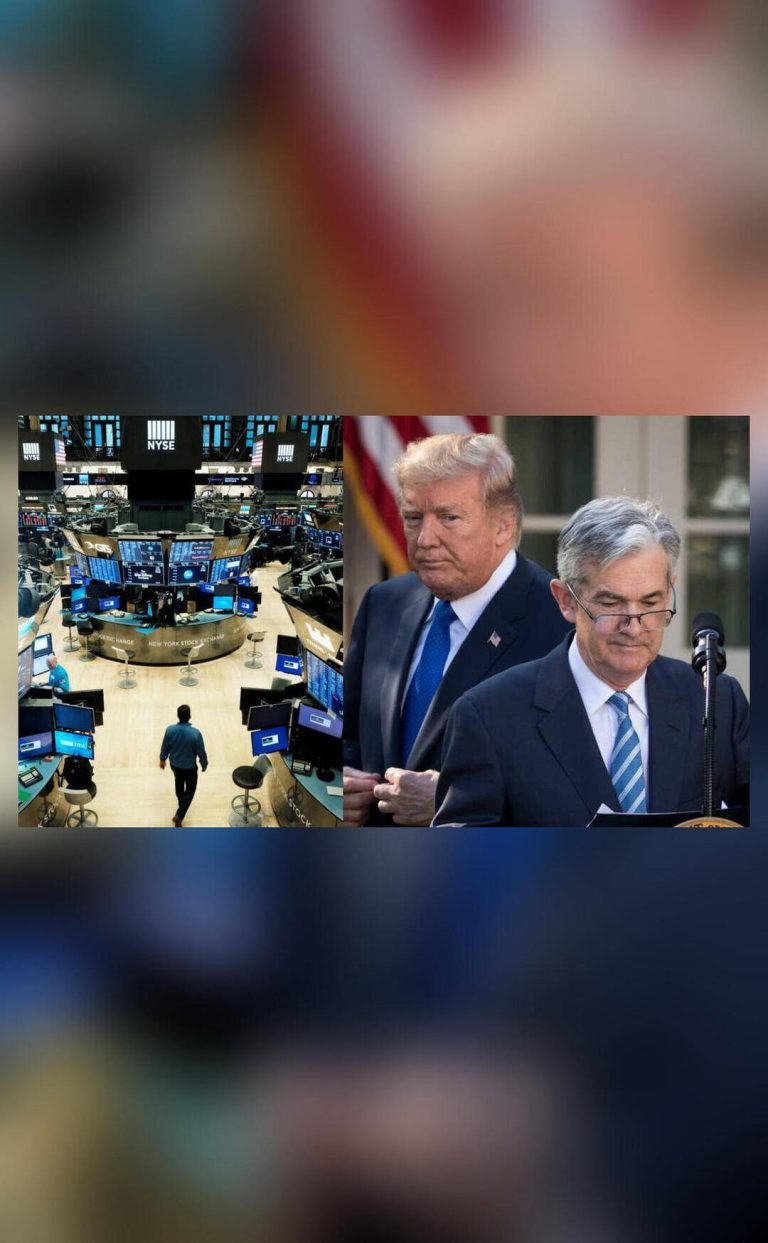
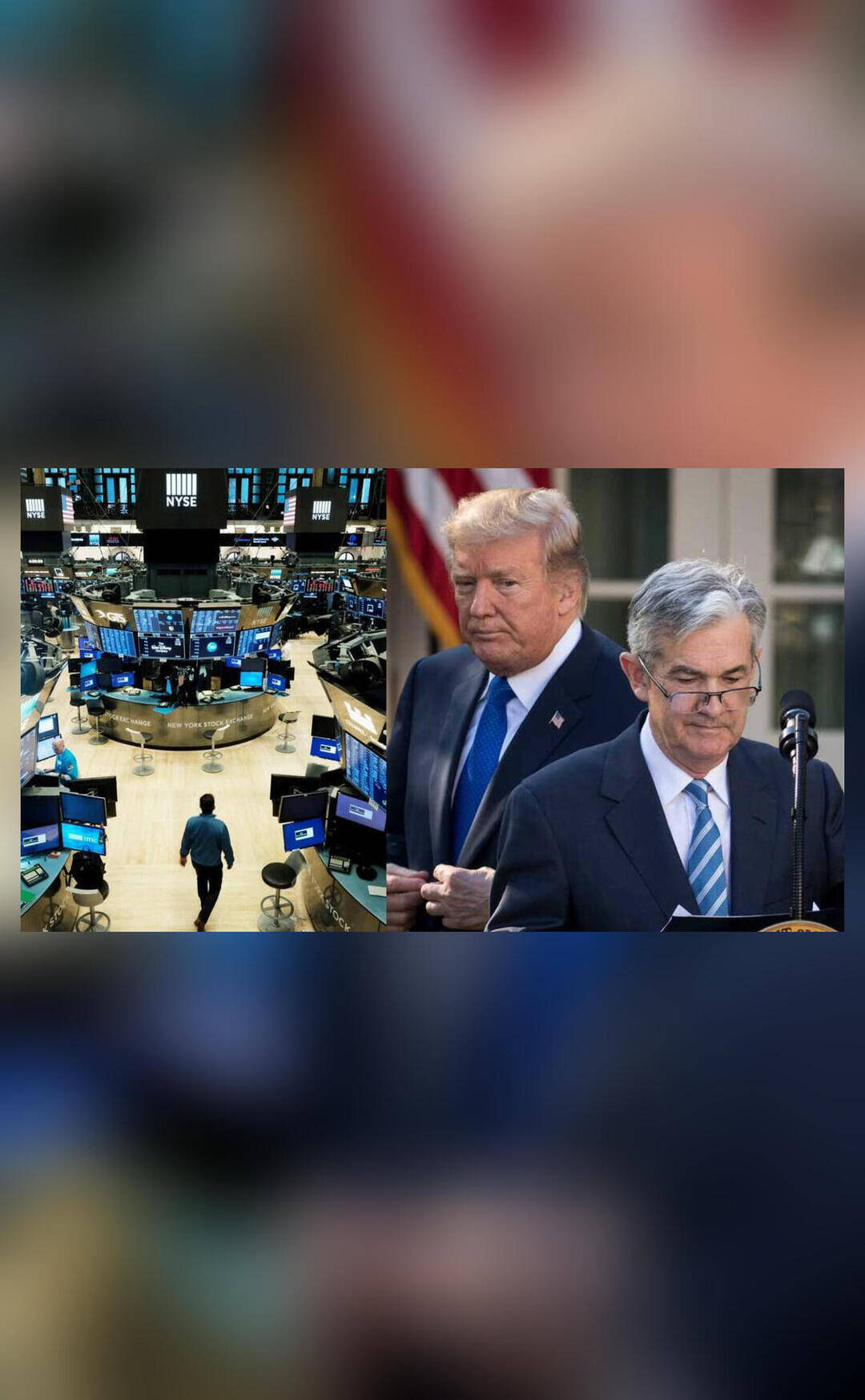
The ‘Sell America’ trade emerged in US markets on Monday after federal prosecutors opened a criminal investigation into Federal Reserve chair Jerome Powell. The term refers to a situation when investors lose confidence in the US economy or its leadership. When this happens, they start selling US stocks, US government bonds, and the US dollar all at the same time. This phenomenon is not new and has been observed in the past when investors have doubted the stability and growth of the US economy.
The ‘Sell America’ trade is a strategy used by investors to reduce their exposure to the US market when they anticipate a decline in the economy or a loss of confidence in its leadership. This can be triggered by various factors such as political instability, economic downturn, or a crisis of confidence in the country’s institutions. When investors sell US assets, they are essentially betting against the US economy, which can have significant consequences for the country’s financial markets and the global economy as a whole.
The current investigation into Federal Reserve chair Jerome Powell has sparked concerns among investors about the independence of the Fed and its ability to make decisions without political interference. The Fed is responsible for setting monetary policy, including interest rates, and its independence is crucial for maintaining the stability of the US financial system. Any perception that the Fed is not independent can erode confidence in the US economy and lead to a sell-off of US assets.
The ‘Sell America’ trade can have far-reaching consequences for the US economy and the global financial markets. When investors sell US stocks, it can lead to a decline in the stock market, which can have a ripple effect on the entire economy. A decline in the stock market can reduce consumer spending, lead to job losses, and slow down economic growth. Similarly, when investors sell US government bonds, it can lead to an increase in interest rates, making borrowing more expensive for consumers and businesses. This can also slow down economic growth and lead to a recession.
The sell-off of the US dollar can also have significant consequences for the global economy. The US dollar is the global reserve currency, and a decline in its value can lead to a increase in the value of other currencies. This can make imports more expensive for countries that rely on the US dollar for trade, leading to higher inflation and slower economic growth. A decline in the value of the US dollar can also lead to a decrease in foreign investment in the US, which can reduce economic growth and lead to a decline in the standard of living.
The ‘Sell America’ trade is not just limited to the US economy; it can also have a significant impact on the global economy. Many countries rely on the US as a major trading partner, and a decline in the US economy can have a ripple effect on their economies. A sell-off of US assets can also lead to a decline in the value of other currencies, making imports more expensive and leading to higher inflation.
In recent years, the ‘Sell America’ trade has been observed during times of political instability or economic uncertainty. For example, during the 2016 US presidential election, investors were uncertain about the outcome and the potential impact on the US economy. This led to a sell-off of US assets, which was later reversed when the outcome of the election became clear. Similarly, during the COVID-19 pandemic, investors were concerned about the impact of the pandemic on the US economy, leading to a sell-off of US assets.
The current investigation into Federal Reserve chair Jerome Powell has sparked concerns among investors about the independence of the Fed and its ability to make decisions without political interference. This has led to a sell-off of US assets, including stocks, bonds, and the US dollar. The ‘Sell America’ trade is a strategy used by investors to reduce their exposure to the US market when they anticipate a decline in the economy or a loss of confidence in its leadership.
In conclusion, the ‘Sell America’ trade is a phenomenon that occurs when investors lose confidence in the US economy or its leadership. This can be triggered by various factors such as political instability, economic downturn, or a crisis of confidence in the country’s institutions. The current investigation into Federal Reserve chair Jerome Powell has sparked concerns among investors about the independence of the Fed and its ability to make decisions without political interference. The ‘Sell America’ trade can have far-reaching consequences for the US economy and the global financial markets, and investors should be aware of the potential risks and consequences of this trade.
For more information on this topic, visit: https://www.financialexpress.com/world-news/us-news/what-is-sell-america-trade-powell-probe-sparks-investor-fears-over-fed-reserve-independence/4105187/lite/
About the Author