What is ‘Sell America’ trade, resurfaced after probe involving Fed’s Powell?
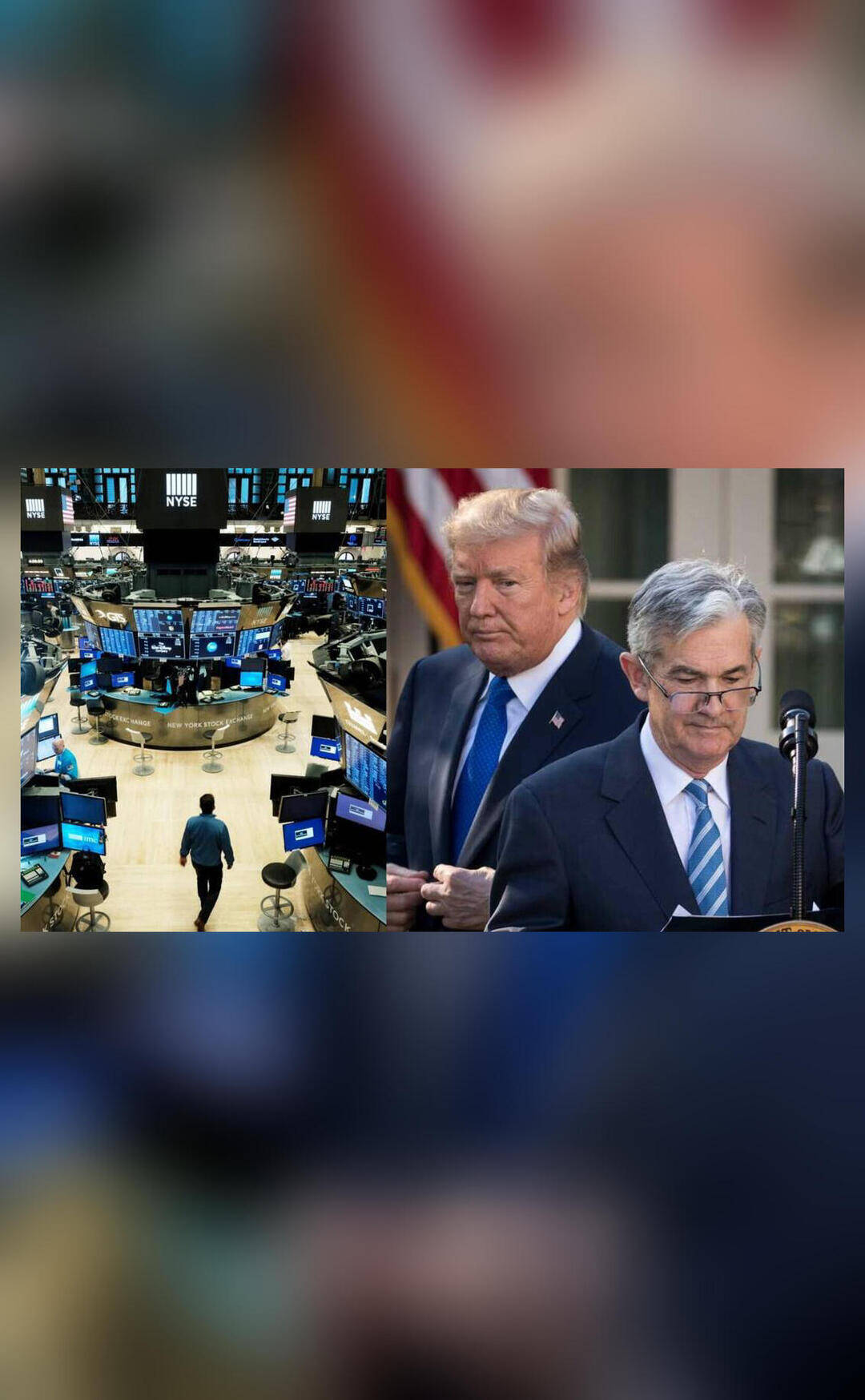
The ‘Sell America’ trade emerged in US markets on Monday after federal prosecutors opened a criminal investigation into Federal Reserve chair Jerome Powell. The term refers to a situation when investors lose confidence in the US economy or its leadership. When this happens, they start selling US stocks, US government bonds, and the US dollar all at the same time. This phenomenon is often seen as a vote of no confidence in the country’s economic stability and can have far-reaching consequences for the global economy.
The ‘Sell America’ trade is not a new concept, but it has gained significant attention in recent years due to the increasing uncertainty and volatility in global markets. The trade involves investors selling off their holdings in US assets, including stocks, bonds, and currencies, in anticipation of a decline in the country’s economic fortunes. This can be triggered by a variety of factors, including political instability, economic downturns, or concerns about the country’s leadership.
In the current scenario, the investigation into Federal Reserve chair Jerome Powell has sparked concerns about the independence of the central bank and its ability to make decisions without political interference. The Federal Reserve is responsible for setting monetary policy in the US, including interest rates, and any perception that its independence is being compromised can have significant implications for the economy.
The ‘Sell America’ trade can have significant consequences for the US economy, including a decline in the value of the US dollar, a rise in bond yields, and a fall in stock prices. This can also have a ripple effect on global markets, as investors become increasingly risk-averse and seek safer havens for their investments.
One of the key concerns about the ‘Sell America’ trade is that it can become a self-fulfilling prophecy. If investors lose confidence in the US economy and start selling off their holdings, it can lead to a decline in asset values, which can further erode confidence and lead to even more selling. This can create a vicious cycle that is difficult to break, and can have significant consequences for the economy.
Another concern is that the ‘Sell America’ trade can be driven by sentiment rather than fundamentals. Investors may sell off their holdings due to concerns about the country’s leadership or political stability, even if the underlying fundamentals of the economy remain strong. This can lead to a mismatch between the market’s perception of the economy and the reality on the ground, which can create opportunities for savvy investors to buy into undervalued assets.
The ‘Sell America’ trade also highlights the importance of central bank independence. The Federal Reserve’s ability to make decisions without political interference is critical to maintaining confidence in the economy. Any perception that the central bank is being influenced by political considerations can undermine its credibility and lead to a loss of confidence in the economy.
In conclusion, the ‘Sell America’ trade is a phenomenon that can have significant consequences for the US economy and global markets. It is driven by a loss of confidence in the country’s economy or leadership, and can lead to a decline in asset values and a rise in volatility. While it is not a new concept, the current investigation into Federal Reserve chair Jerome Powell has brought it back into focus, highlighting the importance of central bank independence and the need for investors to remain vigilant in the face of uncertainty.
As the situation continues to unfold, it will be important to monitor the developments and assess their implications for the economy. One thing is certain, however – the ‘Sell America’ trade is a phenomenon that will continue to be watched closely by investors and policymakers around the world.
About the Author