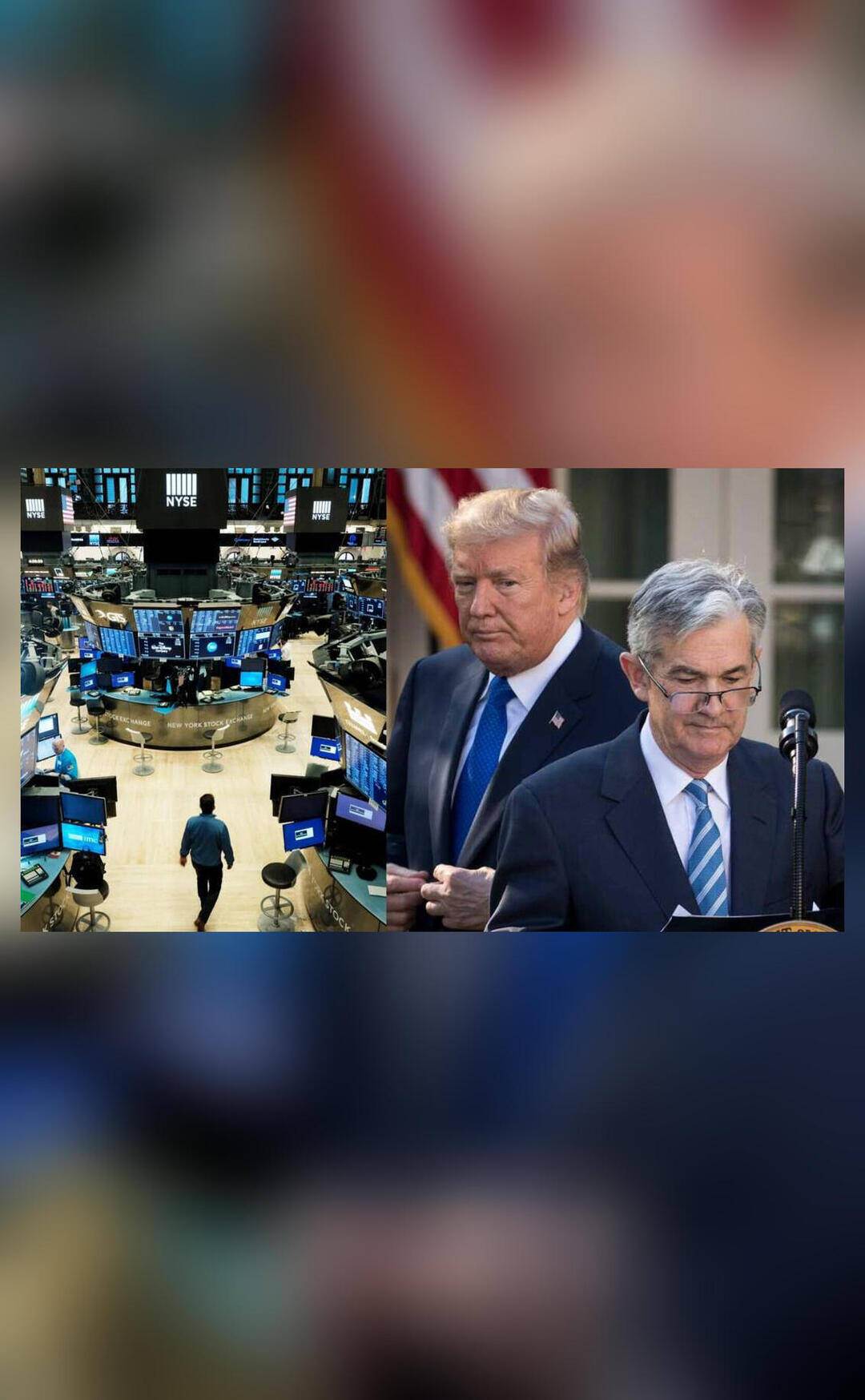
What is ‘Sell America’ trade, resurfaced after probe involving Fed’s Powell?
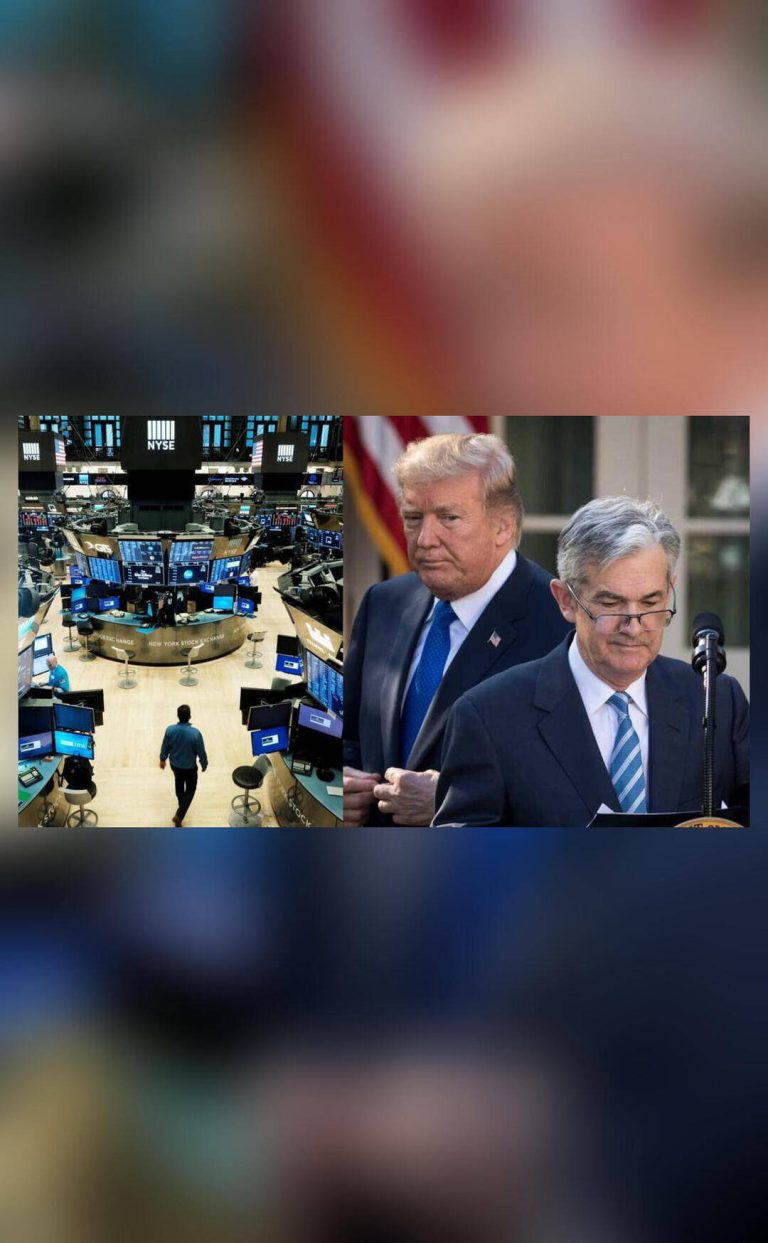
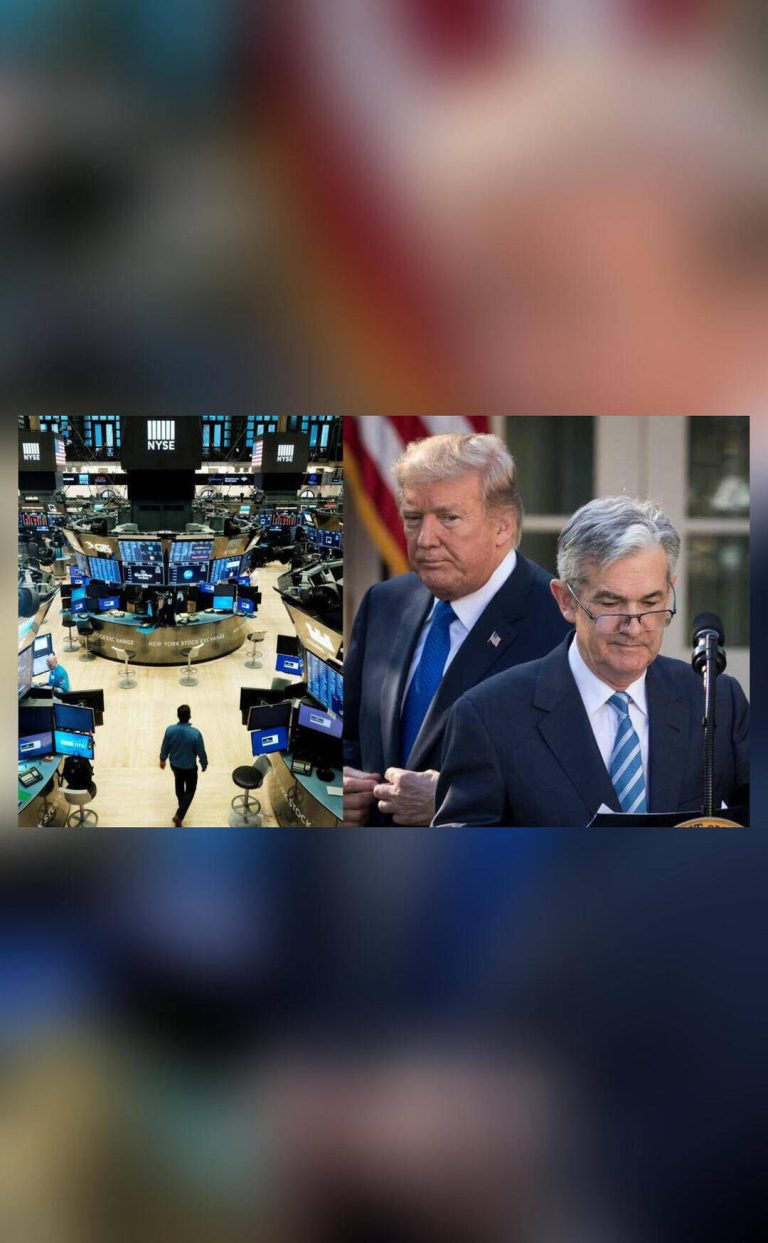
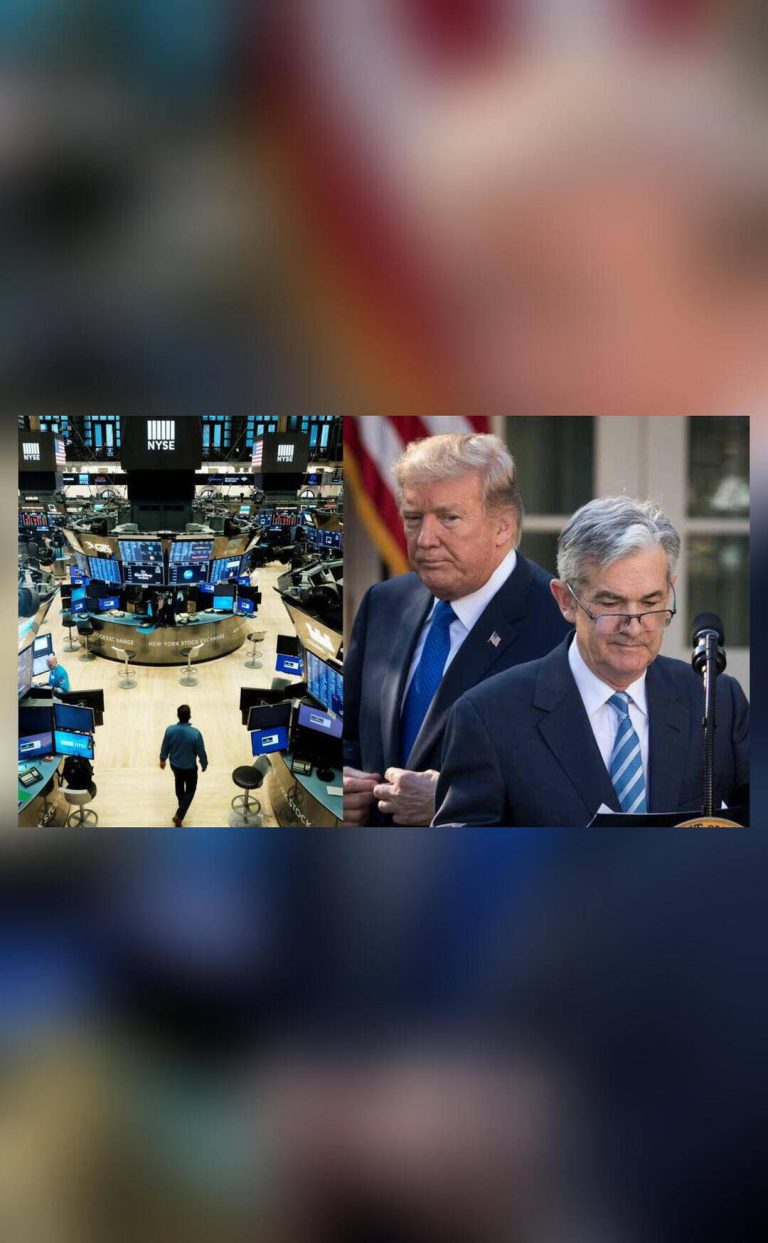
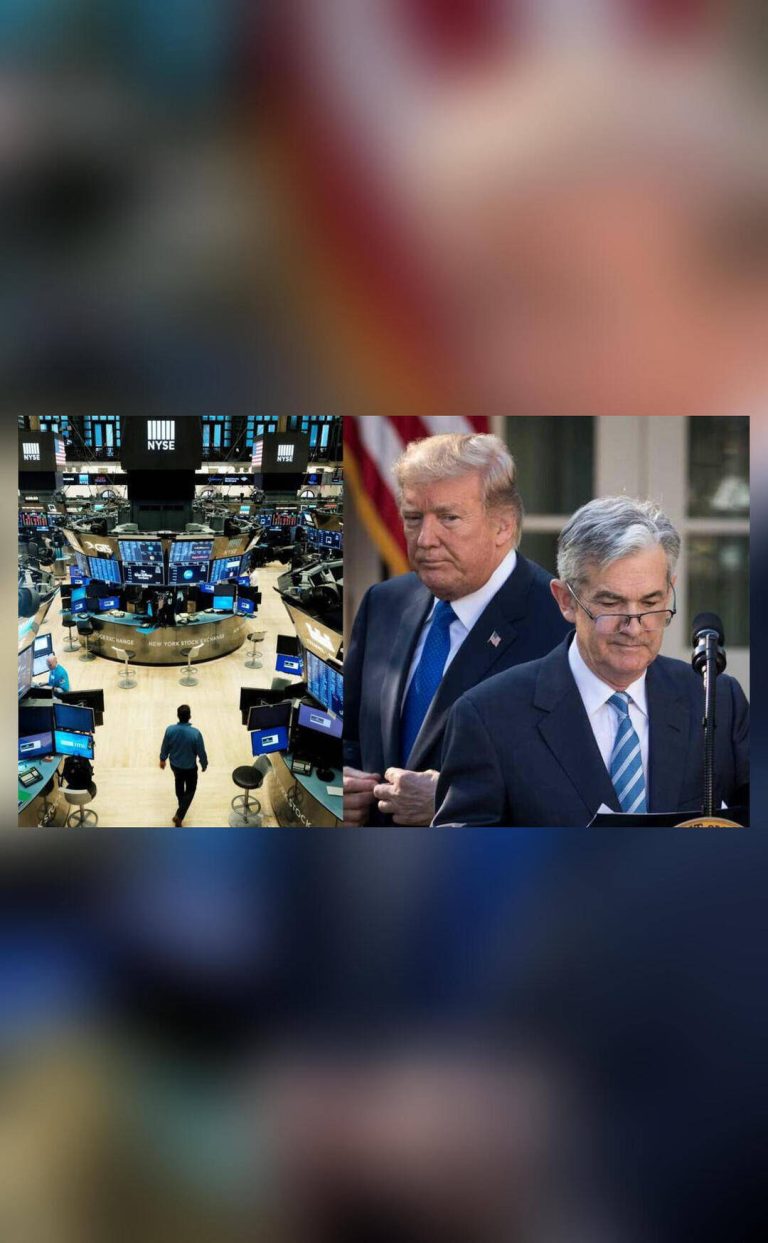
The US financial markets witnessed a significant development on Monday as the ‘Sell America’ trade emerged, sparked by the launch of a criminal investigation into Federal Reserve Chair Jerome Powell. This phenomenon, which has garnered significant attention in recent times, refers to a situation where investors lose confidence in the US economy or its leadership, prompting them to sell US stocks, US government bonds, and the US dollar simultaneously.
The term ‘Sell America’ trade is not new to the financial world, but its resurgence has raised concerns among investors and market analysts. The investigation into Powell, which was announced on Monday, has led to a decline in investor confidence, resulting in a sell-off of US assets. This has significant implications for the US economy, as a loss of confidence in the Federal Reserve and its leadership can have far-reaching consequences.
The ‘Sell America’ trade is often seen as a vote of no confidence in the US economy or its leadership. When investors lose faith in the ability of the US government or the Federal Reserve to manage the economy effectively, they start to sell their holdings of US assets. This can lead to a decline in the value of the US dollar, a rise in bond yields, and a fall in stock prices. The sell-off can be self-reinforcing, as investors become increasingly risk-averse and seek safer havens for their investments.
The current investigation into Powell has sparked concerns about the independence of the Federal Reserve, which is a critical institution in the US economy. The Fed’s independence is essential for its ability to set monetary policy without political interference. If investors perceive that the Fed’s independence is being compromised, they may lose confidence in the institution’s ability to manage the economy effectively.
The ‘Sell America’ trade has significant implications for the US economy. A decline in investor confidence can lead to a reduction in investment, which can have a negative impact on economic growth. A stronger US dollar can make exports more expensive, leading to a decline in export demand and a widening trade deficit. Higher bond yields can increase borrowing costs, making it more expensive for consumers and businesses to access credit.
The investigation into Powell has also raised concerns about the potential for political interference in the Fed’s decision-making process. If the Fed’s independence is compromised, it could lead to a loss of credibility in the institution, which could have far-reaching consequences for the US economy. The Fed’s ability to set monetary policy without political interference is critical for its ability to manage the economy effectively.
The ‘Sell America’ trade has been witnessed in the past, particularly during times of economic uncertainty or when there are concerns about the leadership of the US economy. In 2018, the trade emerged after the US-China trade war escalated, leading to a decline in investor confidence and a sell-off of US assets. Similarly, in 2020, the trade resurfaced during the COVID-19 pandemic, as investors became increasingly risk-averse and sought safer havens for their investments.
In conclusion, the ‘Sell America’ trade is a significant development in the US financial markets, sparked by the investigation into Federal Reserve Chair Jerome Powell. The trade refers to a situation where investors lose confidence in the US economy or its leadership, leading to a sell-off of US stocks, US government bonds, and the US dollar. The investigation into Powell has raised concerns about the independence of the Federal Reserve, which is critical for its ability to set monetary policy without political interference. The ‘Sell America’ trade has significant implications for the US economy, and its resurgence has raised concerns among investors and market analysts.
As the investigation into Powell continues, it is essential to monitor the developments in the US financial markets closely. The ‘Sell America’ trade has the potential to have far-reaching consequences for the US economy, and its impact will depend on the outcome of the investigation and the actions taken by the Federal Reserve and the US government.
About the Author