What is ‘Sell America’ trade, resurfaced after probe involving Fed’s Powell?
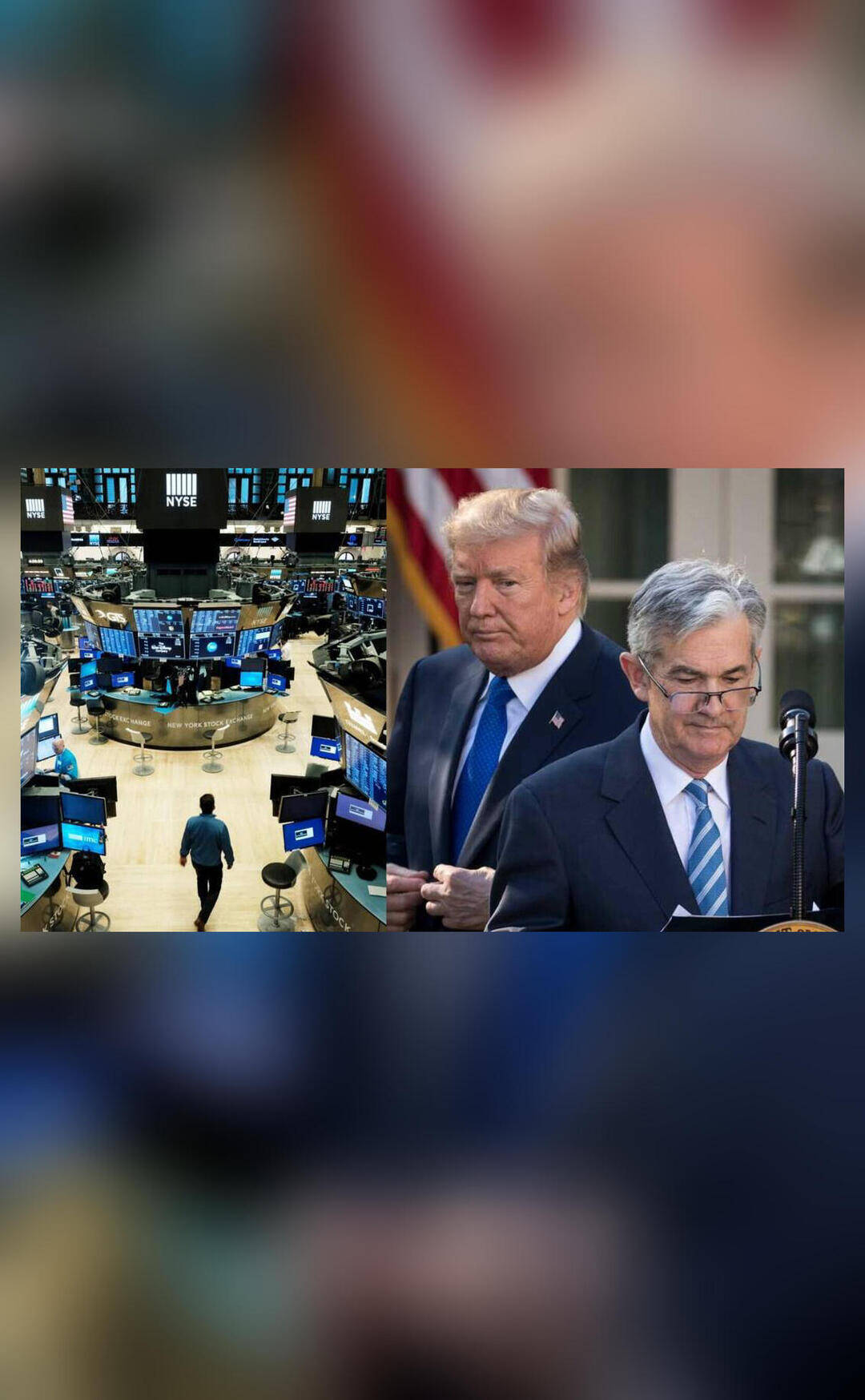
The term “Sell America” trade has resurfaced in US markets after federal prosecutors opened a criminal investigation into Federal Reserve chair Jerome Powell. This phenomenon refers to a situation when investors lose confidence in the US economy or its leadership, resulting in a massive sell-off of US stocks, government bonds, and the US dollar all at the same time. The “Sell America” trade is a rare but significant event that can have far-reaching implications for the global economy.
The investigation into Powell has sparked fears among investors about the independence of the Federal Reserve, which is the central bank of the United States. The Fed is responsible for setting monetary policy, regulating banks, and maintaining the stability of the financial system. If investors perceive that the Fed’s independence is compromised, they may lose confidence in the US economy and start selling off their investments.
The “Sell America” trade is a self-reinforcing cycle, where the selling of US assets creates a downward spiral in the markets. When investors sell US stocks, the stock market declines, which in turn reduces investor confidence and leads to even more selling. Similarly, when investors sell US government bonds, the yield on those bonds increases, making them more attractive to investors and leading to a decline in the value of the bonds. The selling of the US dollar also contributes to the downward spiral, as a weaker dollar makes US exports more expensive and reduces the attractiveness of US investments.
The “Sell America” trade can have significant implications for the global economy. A decline in investor confidence in the US economy can lead to a decrease in foreign investment, which can have a ripple effect on other economies. The US is the world’s largest economy, and a decline in its economic growth can have a significant impact on global trade and economic activity.
The investigation into Powell is not the first time that the “Sell America” trade has emerged. In the past, it has been triggered by events such as the impeachment of President Bill Clinton, the Enron scandal, and the global financial crisis of 2008. Each time, the “Sell America” trade has been accompanied by a significant decline in investor confidence and a sell-off of US assets.
The “Sell America” trade is often seen as a barometer of investor sentiment towards the US economy and its leadership. When investors lose confidence in the US economy, they tend to seek safer havens such as gold, bonds, and other currencies. This can lead to a decline in the value of the US dollar and a decrease in foreign investment in the US.
The impact of the “Sell America” trade can be felt across various asset classes. US stocks, which are often seen as a proxy for the US economy, tend to decline in value during a “Sell America” trade. The S&P 500, which is a widely followed index of US stocks, has historically declined during periods of low investor confidence.
US government bonds, which are often seen as a safe haven, tend to decline in value during a “Sell America” trade. The yield on US government bonds, which is the return that investors earn from holding the bonds, tends to increase during periods of low investor confidence. This makes the bonds more attractive to investors, but it also increases the cost of borrowing for the US government.
The US dollar, which is the world’s reserve currency, tends to decline in value during a “Sell America” trade. A weaker dollar makes US exports more expensive, which can lead to a decline in US economic growth. It also makes foreign travel and imports more expensive for US consumers, which can lead to a decline in consumer spending.
In conclusion, the “Sell America” trade is a significant event that can have far-reaching implications for the global economy. The investigation into Powell has sparked fears among investors about the independence of the Federal Reserve, which has led to a decline in investor confidence and a sell-off of US assets. The “Sell America” trade is a self-reinforcing cycle, where the selling of US assets creates a downward spiral in the markets. It is a barometer of investor sentiment towards the US economy and its leadership, and it can have significant implications for various asset classes, including US stocks, government bonds, and the US dollar.
As the investigation into Powell continues, it is likely that the “Sell America” trade will continue to be a major theme in US markets. Investors will be closely watching the developments in the investigation and assessing the implications for the US economy and the Federal Reserve. The “Sell America” trade is a rare but significant event that can have far-reaching implications for the global economy, and it is essential for investors to be aware of its potential impact on their investments.
About the Author