What is ‘Sell America’ trade, resurfaced after probe involving Fed’s Powell?
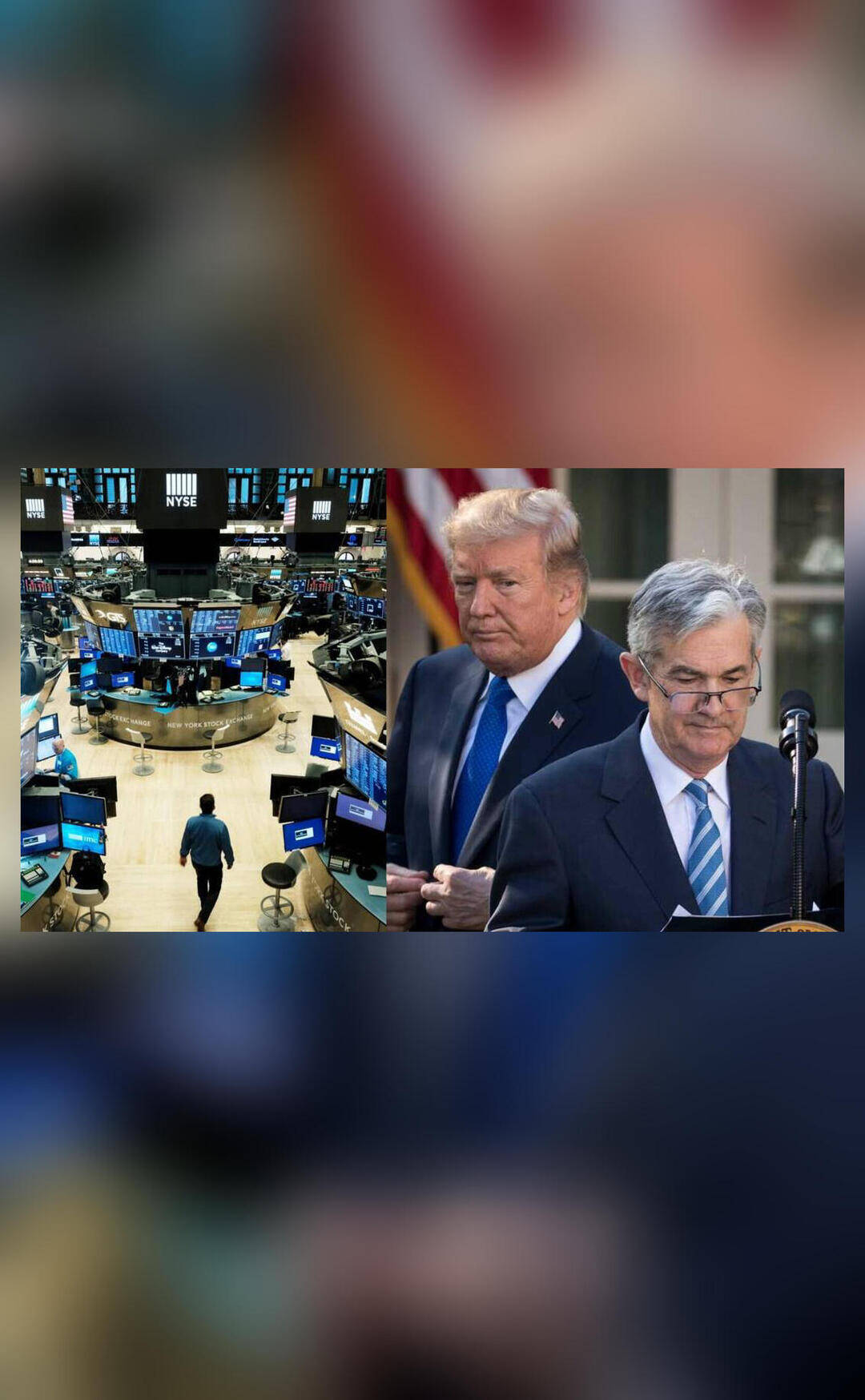
The ‘Sell America’ trade emerged in US markets on Monday after federal prosecutors opened a criminal investigation into Federal Reserve chair Jerome Powell. The term refers to a situation when investors lose confidence in the US economy or its leadership. When this happens, they start selling US stocks, US government bonds, and the US dollar all at the same time. This phenomenon has significant implications for the global economy and can have far-reaching consequences.
The investigation into Powell has sparked concerns among investors about the independence of the Federal Reserve, which is responsible for setting monetary policy in the United States. The Federal Reserve plays a critical role in maintaining the stability of the US economy, and any perceived interference in its operations can have a ripple effect on markets. The ‘Sell America’ trade is a manifestation of this concern, as investors become increasingly wary of the potential consequences of political interference in the central bank’s decision-making process.
The ‘Sell America’ trade is not a new phenomenon, but it has gained significant attention in recent years due to the increasing politicization of the Federal Reserve. The trade involves selling US assets, such as stocks, bonds, and the dollar, in anticipation of a decline in their value. This can create a self-reinforcing cycle, where the sell-off in US assets leads to a depreciation of the dollar, which in turn makes US exports more competitive, but also increases the cost of imports.
The implications of the ‘Sell America’ trade are far-reaching and can have significant consequences for the global economy. A decline in investor confidence in the US economy can lead to a decrease in foreign investment, which can have a negative impact on economic growth. Additionally, a depreciation of the dollar can make US exports more competitive, but it can also lead to higher inflation, as the cost of imports increases.
The investigation into Powell has also raised concerns about the potential for political interference in the Federal Reserve’s decision-making process. The Federal Reserve is designed to be an independent institution, free from political influence, and any perceived interference can undermine its credibility. The ‘Sell America’ trade is a reflection of these concerns, as investors become increasingly wary of the potential consequences of political interference in the central bank’s operations.
The ‘Sell America’ trade has also sparked concerns about the potential for a decline in the value of the US dollar. The dollar is widely used as a reserve currency, and a decline in its value can have significant implications for the global economy. A depreciation of the dollar can make US exports more competitive, but it can also lead to higher inflation, as the cost of imports increases.
In conclusion, the ‘Sell America’ trade is a phenomenon that reflects investor concerns about the US economy and its leadership. The investigation into Powell has sparked fears about the potential for political interference in the Federal Reserve’s decision-making process, which can have significant implications for the global economy. The ‘Sell America’ trade is a manifestation of these concerns, as investors become increasingly wary of the potential consequences of a decline in investor confidence in the US economy.
The ‘Sell America’ trade is a complex phenomenon that involves the sale of US assets, such as stocks, bonds, and the dollar. It is a reflection of investor concerns about the potential for a decline in the value of these assets, which can have significant implications for the global economy. The investigation into Powell has sparked concerns about the potential for political interference in the Federal Reserve’s decision-making process, which can undermine its credibility and lead to a decline in investor confidence in the US economy.
As the ‘Sell America’ trade continues to evolve, it is essential to monitor its implications for the global economy. The trade has significant consequences for US economic growth, inflation, and the value of the dollar. It also has implications for foreign investors, who may become increasingly wary of investing in US assets due to concerns about the potential for political interference in the Federal Reserve’s decision-making process.
In the coming months, it will be essential to watch the developments surrounding the investigation into Powell and the potential implications for the Federal Reserve’s independence. The ‘Sell America’ trade is a reflection of investor concerns about the potential for a decline in the value of US assets, and it will be crucial to monitor its evolution and its implications for the global economy.
About the Author