What is ‘Sell America’ trade, resurfaced after probe involving Fed’s Powell?
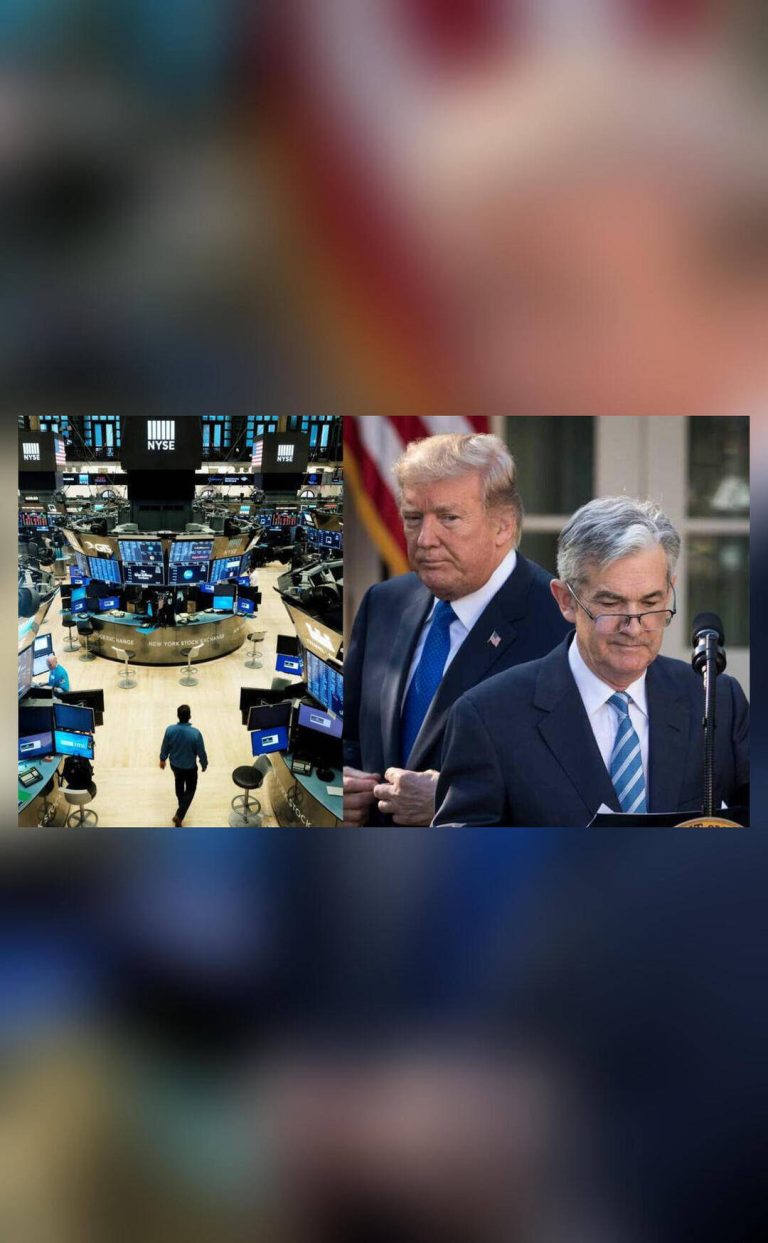
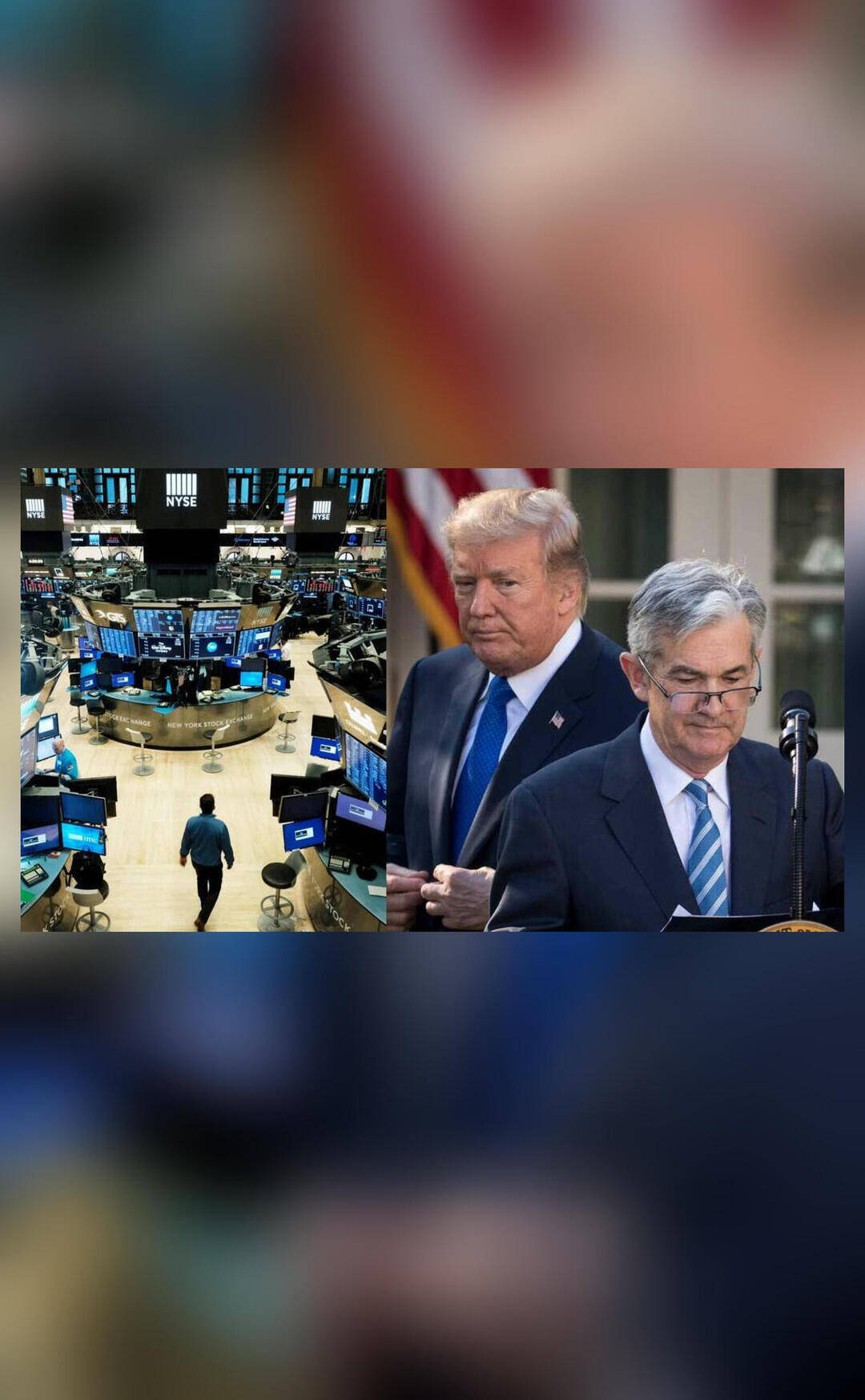
The ‘Sell America’ trade emerged in US markets on Monday after federal prosecutors opened a criminal investigation into Federal Reserve chair Jerome Powell. The term refers to a situation when investors lose confidence in the US economy or its leadership. When this happens, they start selling US stocks, US government bonds, and the US dollar all at the same time. This phenomenon is a response to concerns about the country’s economic stability and the potential impact of political developments on the financial markets.
The ‘Sell America’ trade is not a new concept, but it has gained significant attention in recent years due to the increasing global economic uncertainty. The trade is often seen as a hedge against potential risks associated with investing in the US, such as a decline in the value of the US dollar, a decrease in the demand for US government bonds, or a downturn in the US stock market. Investors who engage in the ‘Sell America’ trade are essentially betting against the US economy, hoping to profit from a potential decline in the country’s financial markets.
The current ‘Sell America’ trade is largely driven by the investigation into Federal Reserve chair Jerome Powell. The probe has sparked concerns about the independence of the Federal Reserve and its ability to make decisions without political interference. The Federal Reserve is responsible for setting monetary policy in the US, and its decisions have a significant impact on the country’s economy. If the investigation were to lead to a loss of confidence in the Federal Reserve, it could have far-reaching consequences for the US economy and financial markets.
The ‘Sell America’ trade can have significant implications for the US economy. If investors lose confidence in the US economy, they may start selling US assets, such as stocks and bonds, which could lead to a decline in their value. This, in turn, could lead to a decrease in the value of the US dollar, making it more expensive for the US to borrow money and potentially leading to higher interest rates. Higher interest rates could then slow down economic growth, leading to a recession.
The ‘Sell America’ trade can also have implications for other countries. If the US economy were to experience a decline, it could have a ripple effect on other economies, particularly those that are closely tied to the US. For example, if the US were to experience a recession, it could lead to a decrease in demand for exports from other countries, potentially leading to an economic downturn in those countries as well.
In addition to the potential economic implications, the ‘Sell America’ trade also raises concerns about the impact of politics on the financial markets. The investigation into Federal Reserve chair Jerome Powell is seen as a sign of increasing political interference in the US economy, which could lead to a loss of confidence in the country’s financial systems. This could have long-term consequences for the US economy, making it more difficult for the country to attract foreign investment and potentially leading to a decline in the value of the US dollar.
The ‘Sell America’ trade is not just limited to the US. Other countries, such as China and Japan, have also experienced similar trades in the past. For example, during the Asian financial crisis in the late 1990s, investors engaged in a ‘Sell Asia’ trade, selling assets in countries such as Thailand and Indonesia. Similarly, during the European sovereign debt crisis, investors engaged in a ‘Sell Europe’ trade, selling assets in countries such as Greece and Spain.
In conclusion, the ‘Sell America’ trade is a phenomenon that occurs when investors lose confidence in the US economy or its leadership. The trade is driven by concerns about the country’s economic stability and the potential impact of political developments on the financial markets. The current ‘Sell America’ trade is largely driven by the investigation into Federal Reserve chair Jerome Powell, which has sparked concerns about the independence of the Federal Reserve and its ability to make decisions without political interference. The trade can have significant implications for the US economy and other countries, and it raises concerns about the impact of politics on the financial markets.
To stay up-to-date with the latest developments on the ‘Sell America’ trade, follow the news and market trends closely. The situation is evolving rapidly, and it is essential to stay informed to make informed investment decisions.
About the Author