What is ‘Sell America’ trade, resurfaced after probe involving Fed’s Powell?
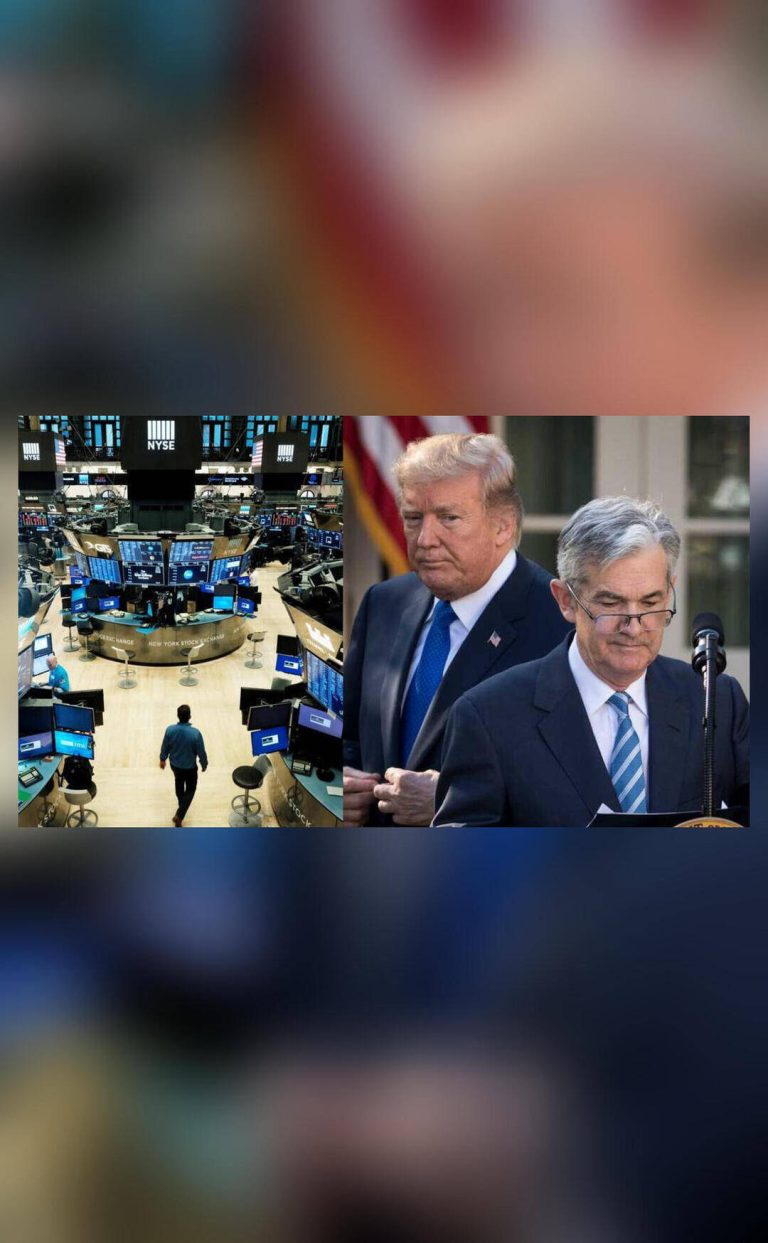
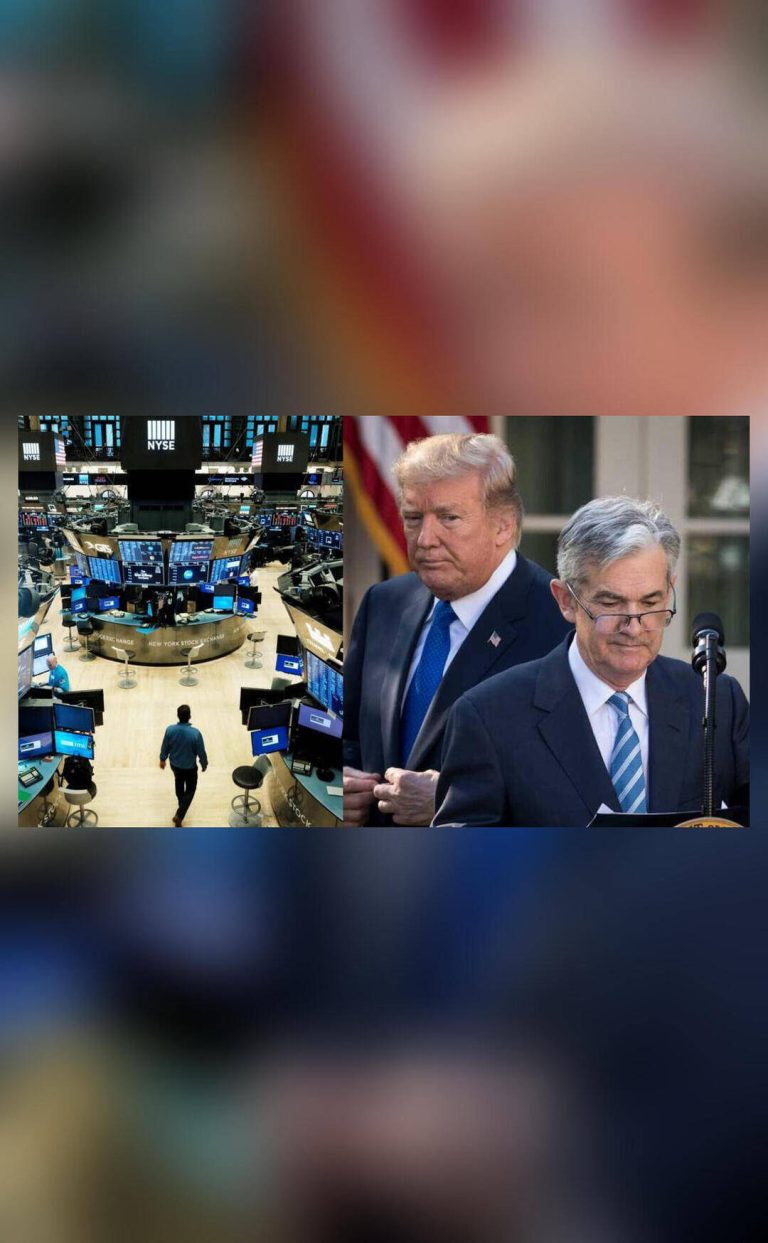
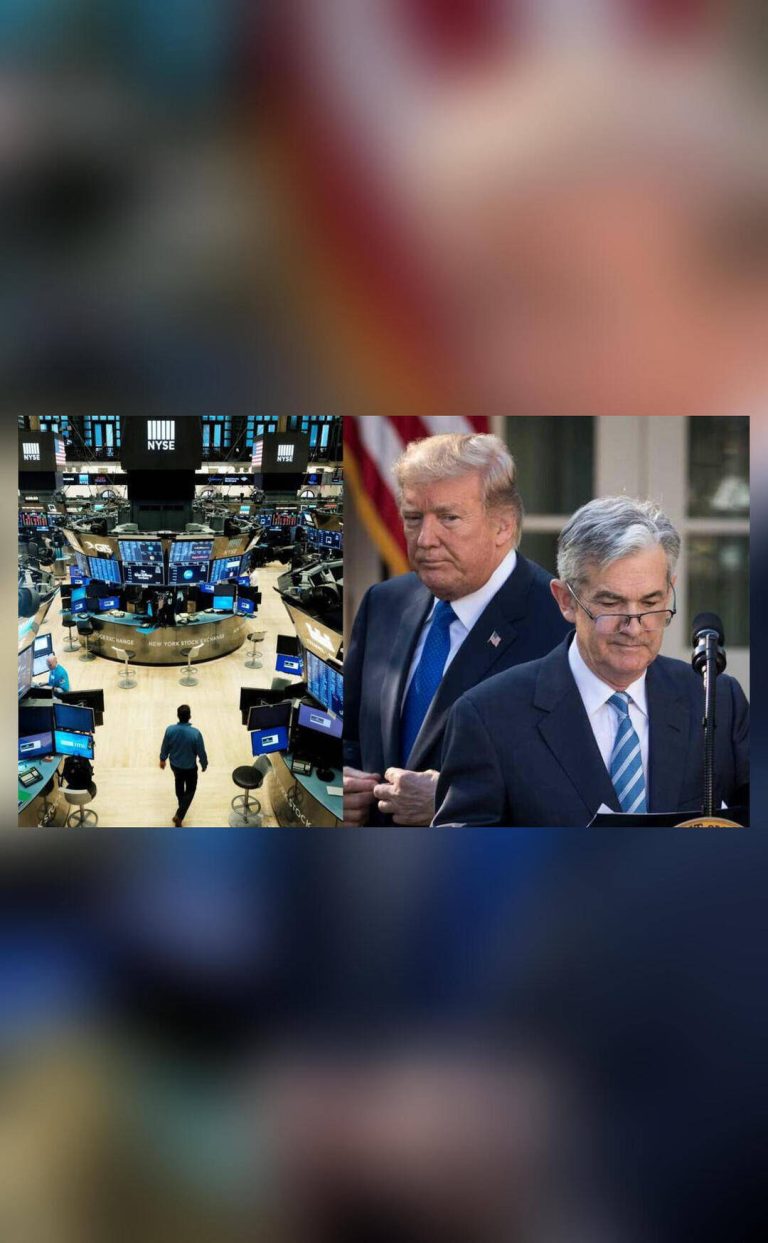
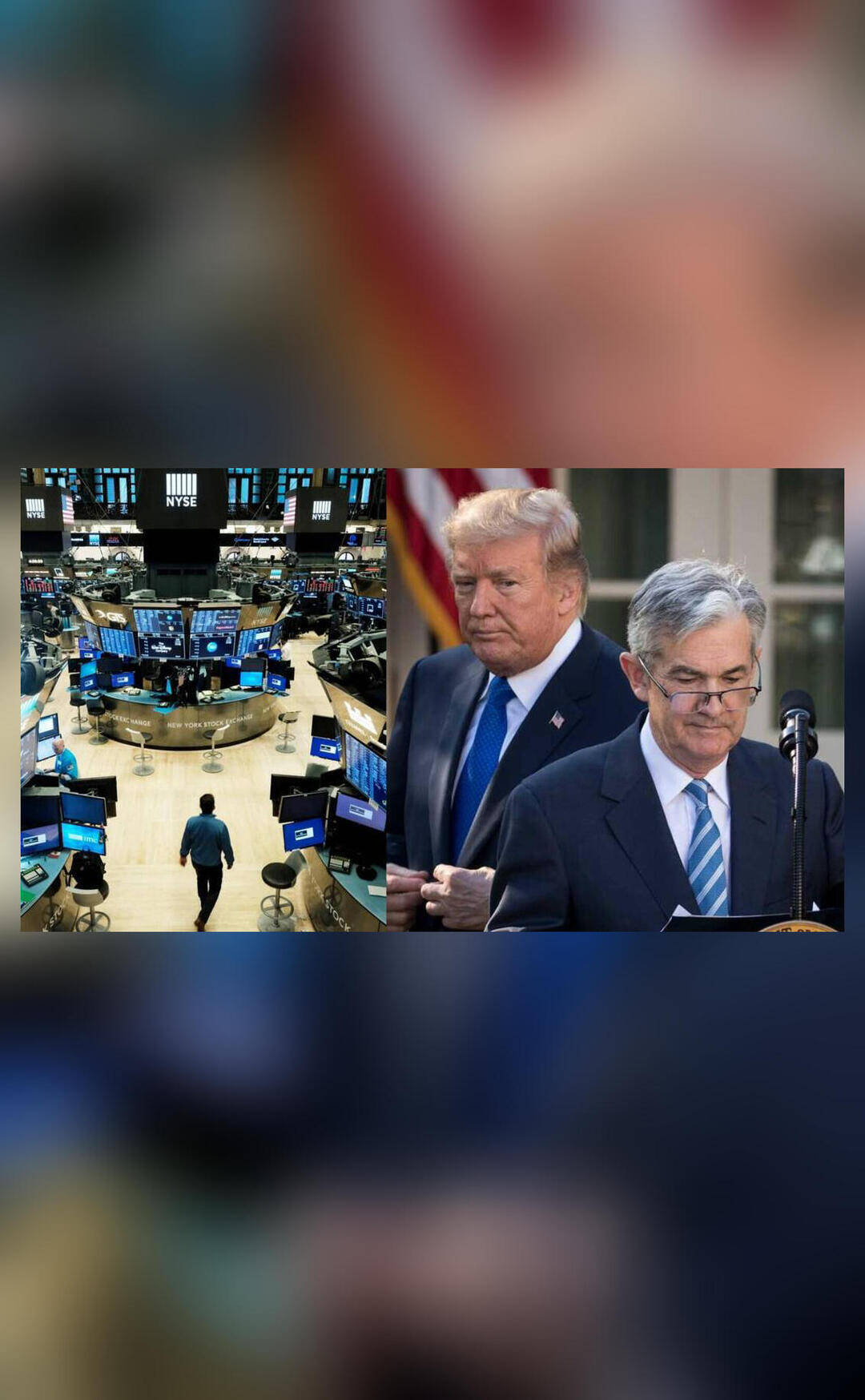
The ‘Sell America’ trade emerged in US markets on Monday after federal prosecutors opened a criminal investigation into Federal Reserve chair Jerome Powell. The term refers to a situation when investors lose confidence in the US economy or its leadership. When this happens, they start selling US stocks, US government bonds, and the US dollar all at the same time. This phenomenon has significant implications for the global economy, and it is essential to understand the underlying dynamics that drive the ‘Sell America’ trade.
The ‘Sell America’ trade is a market sentiment indicator that reflects a lack of confidence in the US economy or its institutions. When investors lose faith in the US economic system, they tend to reduce their exposure to US assets, including stocks, bonds, and the dollar. This selling pressure can lead to a decline in US asset prices, which, in turn, can have a ripple effect on the global economy. The ‘Sell America’ trade is often seen as a vote of no confidence in the US economic leadership, and it can have far-reaching consequences for the global financial system.
The current probe into Fed chair Jerome Powell has sparked concerns about the independence of the Federal Reserve, which is a critical institution in maintaining the stability of the US economy. The investigation has raised questions about the Fed’s ability to make decisions without political interference, which is essential for its independence and credibility. The ‘Sell America’ trade has resurfaced as investors become increasingly concerned about the potential implications of the probe on the US economy.
The ‘Sell America’ trade is not a new phenomenon; it has been observed in the past during times of economic uncertainty or crisis. For example, during the 2008 global financial crisis, investors lost confidence in the US economy, leading to a significant decline in US asset prices. Similarly, during the 2011 US debt ceiling crisis, investors became concerned about the US government’s ability to manage its debt, leading to a spike in the ‘Sell America’ trade.
The ‘Sell America’ trade can have significant implications for the global economy. When investors sell US assets, they often seek safer alternatives, such as gold, Swiss francs, or other currencies perceived as safe-havens. This can lead to a decline in the value of the US dollar, which, in turn, can affect the competitiveness of US exports and the overall US economy. Furthermore, the ‘Sell America’ trade can also lead to a decline in US stock prices, which can have a negative impact on consumer confidence and spending.
The current probe into Fed chair Jerome Powell has also raised concerns about the potential implications for the global economy. If the investigation leads to a loss of confidence in the US economic leadership, it could have far-reaching consequences for the global financial system. The ‘Sell America’ trade can become a self-reinforcing phenomenon, where investors sell US assets, leading to a decline in prices, which, in turn, leads to more selling.
In conclusion, the ‘Sell America’ trade is a significant market phenomenon that reflects a lack of confidence in the US economy or its leadership. The current probe into Fed chair Jerome Powell has sparked concerns about the independence of the Federal Reserve, leading to a resurgence of the ‘Sell America’ trade. As investors become increasingly concerned about the potential implications of the probe, it is essential to understand the underlying dynamics that drive the ‘Sell America’ trade and its potential implications for the global economy.
The ‘Sell America’ trade is a complex phenomenon that involves a range of factors, including investor sentiment, economic fundamentals, and geopolitical developments. As the global economy becomes increasingly interconnected, it is essential to monitor the ‘Sell America’ trade and its potential implications for the global financial system. The current probe into Fed chair Jerome Powell serves as a reminder of the importance of maintaining confidence in the US economic leadership and the independence of the Federal Reserve.
As the investigation into Fed chair Jerome Powell continues, it is likely that the ‘Sell America’ trade will remain a significant market phenomenon. Investors will be closely watching the developments in the probe and its potential implications for the US economy. The ‘Sell America’ trade serves as a reminder of the importance of maintaining confidence in the US economic leadership and the independence of the Federal Reserve.
In the coming days and weeks, it will be essential to monitor the ‘Sell America’ trade and its potential implications for the global economy. The current probe into Fed chair Jerome Powell has raised significant concerns about the potential implications for the US economy, and it is likely that the ‘Sell America’ trade will remain a significant market phenomenon. As investors become increasingly concerned about the potential implications of the probe, it is essential to understand the underlying dynamics that drive the ‘Sell America’ trade and its potential implications for the global economy.
About the Author