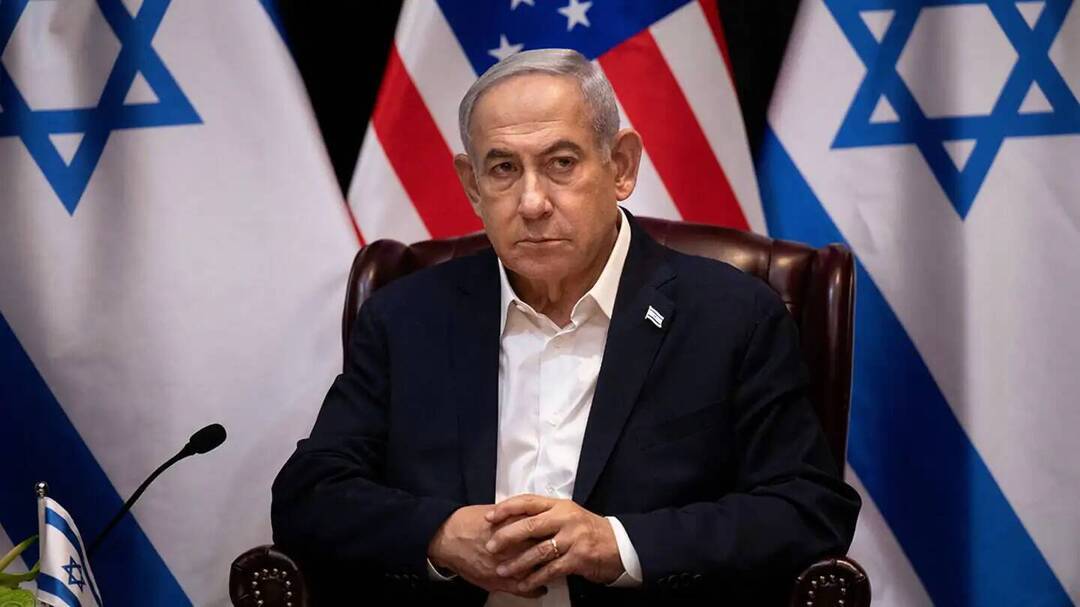
What is Qatargate, that has embroiled Netanyahu in controversy?
In recent weeks, Israeli Prime Minister Benjamin Netanyahu has found himself at the center of a growing controversy surrounding allegations of corruption and bribery. The scandal, known as “Qatargate,” has embroiled Netanyahu’s top aides and has sparked calls for an investigation from within his own cabinet. In this blog post, we will delve into the details of Qatargate and explore the implications of this scandal for Netanyahu and his government.
At the heart of the Qatargate scandal are allegations that top aides to Netanyahu accepted funds from an American lobbyist, which were allegedly funneled through from the Qatari government. The purpose of these funds, according to the allegations, was to promote Qatar’s image in Israel and to influence Israeli policy in favor of Qatar. This has sparked outrage and accusations of treason, with some critics arguing that Netanyahu’s aides have compromised Israel’s national security and sovereignty.
One of the most vocal critics of Netanyahu on this issue has been his own cabinet minister, Amichai Chikli. Chikli has called for a full investigation into the Qatargate allegations, stating that “this is the most serious act of treason in the history of the State of Israel.” Chikli’s comments reflect the gravity of the situation and the depth of concern among many Israelis about the potential corruption and betrayal of trust at the highest levels of government.
The Qatargate scandal has also sparked a wider debate about the role of foreign influence in Israeli politics and the need for greater transparency and accountability in government. Many Israelis are asking how it is possible that top aides to the Prime Minister could have accepted funds from a foreign government without being detected, and what other potential conflicts of interest may exist within the government.
The allegations of corruption and bribery at the heart of Qatargate are particularly damaging for Netanyahu, who has long presented himself as a champion of Israeli security and sovereignty. If proven, these allegations would suggest that Netanyahu’s own aides have been willing to compromise Israel’s interests in exchange for personal gain, and would raise serious questions about Netanyahu’s judgment and leadership.
The Qatargate scandal has also highlighted the deep divisions within Netanyahu’s government and the growing dissent among his cabinet ministers. Chikli’s call for an investigation is just one example of the growing unease among some of Netanyahu’s closest allies, who are increasingly concerned about the damage that this scandal could do to the government’s reputation and credibility.
As the Qatargate scandal continues to unfold, it is clear that Netanyahu is facing one of the most significant challenges of his career. The allegations of corruption and bribery have sparked widespread outrage and have raised serious questions about the integrity and accountability of the Israeli government. Whether or not the allegations are proven, the Qatargate scandal has already done significant damage to Netanyahu’s reputation and has highlighted the need for greater transparency and accountability in Israeli politics.
In conclusion, the Qatargate scandal is a complex and multifaceted issue that has embroiled Netanyahu and his government in controversy. The allegations of corruption and bribery at the heart of this scandal are serious and damaging, and have sparked widespread outrage and concern among Israelis. As the investigation into Qatargate continues, it is clear that Netanyahu is facing a major crisis of confidence and credibility, and that the future of his government hangs in the balance.
About the Author