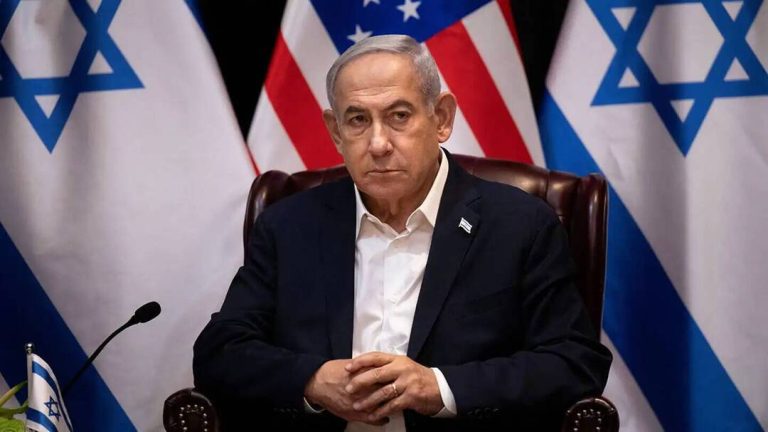
What is Qatargate, that has embroiled Netanyahu in controversy?
The world of politics is no stranger to controversy, and the latest scandal to hit the headlines is Qatargate, which has embroiled Israeli Prime Minister Benjamin Netanyahu in a web of allegations and dissent within his own cabinet. The controversy centers around claims that top aides of Netanyahu accepted funds from an American lobbyist, allegedly funneled through Qatar, to promote the country’s image in Israel. The allegations have sparked a firestorm of criticism, with some calling for an investigation into the matter.
At the heart of the controversy is the claim that Netanyahu’s top aides accepted money from an American lobbyist, who was reportedly working on behalf of Qatar. The lobbyist, who has not been named, allegedly funneled the funds to the aides in an effort to promote Qatar’s image in Israel. The allegations suggest that the aides used their positions of influence to further Qatar’s interests in Israel, potentially compromising the country’s national security and foreign policy.
The allegations have been met with widespread outrage, with many calling for a full investigation into the matter. Israeli PM Benjamin Netanyahu’s cabinet minister, Amichai Chikli, has been at the forefront of the calls for an investigation, describing the allegations as “the most serious act of treason in the history of the State of Israel.” Chikli’s comments reflect the gravity of the situation and the potential implications for Netanyahu’s government.
The Qatargate scandal has also exposed deep divisions within Netanyahu’s cabinet, with some ministers calling for a thorough investigation into the allegations. The dissent within the cabinet has raised questions about the stability of Netanyahu’s government and its ability to function effectively in the face of such controversy. The scandal has also sparked a wider debate about the influence of foreign powers in Israeli politics and the need for greater transparency and accountability.
The allegations against Netanyahu’s aides are particularly damaging, given the sensitive nature of Israel’s relationships with its neighbors and the wider Middle East. Qatar, in particular, has been a key player in regional politics, and its influence extends far beyond its borders. The allegations suggest that Qatar may have been seeking to exert its influence in Israel, potentially undermining the country’s national security and foreign policy.
The Qatargate scandal has also raised questions about the role of lobbying in Israeli politics. The use of lobbyists to influence policy and decision-making is a common practice in many countries, but the allegations suggest that, in this case, the lobbying may have crossed a line into illegality. The scandal has highlighted the need for greater transparency and regulation of lobbying activities in Israel, to prevent such abuses of power in the future.
As the controversy continues to unfold, it remains to be seen how Netanyahu’s government will respond to the allegations. The calls for an investigation are likely to grow louder, and the government may be forced to take action to address the concerns of its citizens and the international community. The Qatargate scandal has the potential to be a major embarrassment for Netanyahu’s government, and it may have significant implications for the country’s relationships with its neighbors and the wider world.
In conclusion, the Qatargate scandal has embroiled Netanyahu’s government in controversy, with allegations of top aides accepting funds from an American lobbyist to promote Qatar’s image in Israel. The scandal has exposed deep divisions within the cabinet and has raised questions about the stability of the government. The allegations have also sparked a wider debate about the influence of foreign powers in Israeli politics and the need for greater transparency and accountability. As the controversy continues to unfold, it remains to be seen how Netanyahu’s government will respond to the allegations and what implications the scandal may have for the country’s relationships with its neighbors and the wider world.
About the Author