What is Qatargate, that has embroiled Netanyahu in controversy?
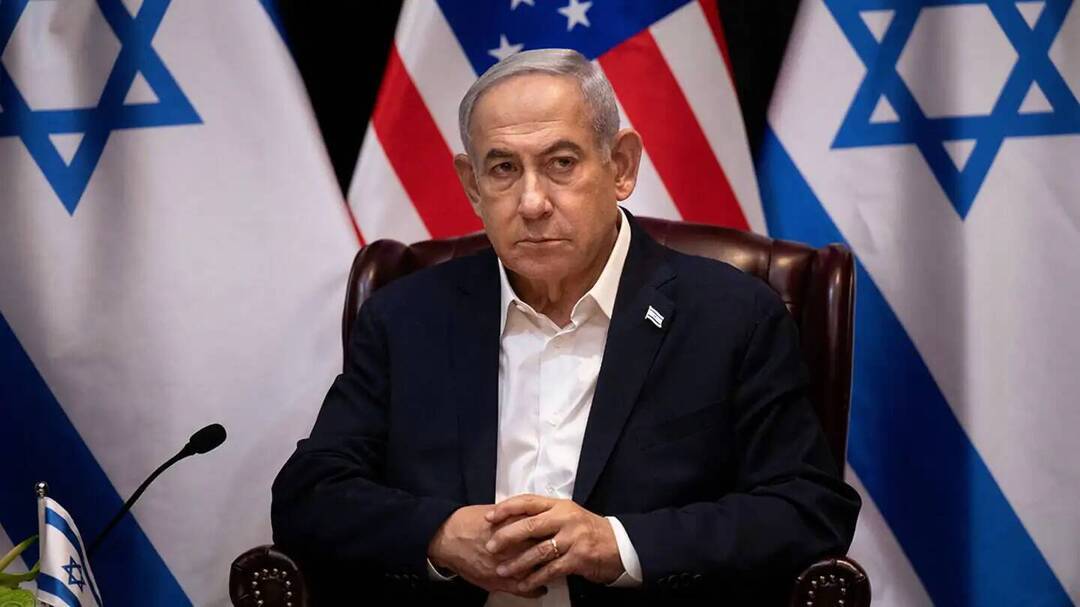
In recent weeks, Israeli Prime Minister Benjamin Netanyahu has found himself at the center of a growing controversy surrounding allegations of corruption and treason. The scandal, known as Qatargate, has sparked widespread outrage and calls for an investigation, with one of Netanyahu’s own cabinet ministers, Amichai Chikli, demanding that the matter be looked into. But what exactly is Qatargate, and how has it embroiled Netanyahu in controversy?
At its core, Qatargate refers to allegations that top aides of Netanyahu accepted funds allegedly funnelled through an American lobbyist to promote Qatar’s image in Israel. The claims suggest that these aides used their positions of influence to advance Qatar’s interests in Israel, potentially compromising the country’s national security and foreign policy. The allegations are serious, with Chikli describing them as “the most serious act of treason in the history of the State of Israel.”
The Qatargate scandal has its roots in a complex web of diplomatic and financial dealings between Israel, Qatar, and the United States. Qatar, a small but wealthy Gulf state, has long sought to improve its relations with Israel, which have historically been strained due to Qatar’s support for Palestinian militant groups. In recent years, however, Qatar has attempted to rebrand itself as a key player in regional diplomacy, hosting high-level meetings and providing financial support to various Palestinian factions.
According to the allegations, Netanyahu’s top aides accepted funds from an American lobbyist who was working on behalf of Qatar. These funds were allegedly used to promote Qatar’s image in Israel, through various means such as media campaigns and high-level meetings. The aides are accused of using their positions of influence to advance Qatar’s interests, potentially compromising Israel’s national security and foreign policy.
The Qatargate scandal has sparked widespread outrage in Israel, with many calling for an investigation into the allegations. Chikli, who is a member of Netanyahu’s cabinet, has been at the forefront of these calls, demanding that the matter be looked into and that those responsible be held accountable. “This is a very serious matter,” Chikli said. “If the allegations are true, it would be a betrayal of the trust of the Israeli people.”
The scandal has also sparked dissent within Netanyahu’s cabinet, with some ministers expressing concern about the allegations and the potential implications for Israel’s national security. The crisis has highlighted the deep divisions within Netanyahu’s government, with some ministers calling for greater transparency and accountability.
Netanyahu himself has denied any wrongdoing, stating that the allegations are “baseless” and “motivated by political considerations.” However, the scandal has already had significant repercussions, with the Israeli opposition calling for Netanyahu’s resignation and the establishment of a parliamentary inquiry into the allegations.
The Qatargate scandal has also raised questions about the role of foreign lobbying in Israeli politics. The allegations suggest that Qatar used an American lobbyist to funnel funds to Netanyahu’s aides, potentially compromising Israel’s national security and foreign policy. This has sparked concerns about the influence of foreign powers in Israeli politics and the need for greater transparency and accountability.
In conclusion, the Qatargate scandal has embroiled Netanyahu in controversy, sparking widespread outrage and calls for an investigation. The allegations of corruption and treason are serious, and the scandal has highlighted the deep divisions within Netanyahu’s government. As the crisis continues to unfold, it remains to be seen how Netanyahu will respond to the allegations and whether he will be able to weather the storm.
For now, the Qatargate scandal serves as a reminder of the complex and often murky world of international diplomacy and politics. The allegations of corruption and treason are a stark reminder of the need for greater transparency and accountability in government, and the importance of protecting national security and foreign policy from external influences.
About the Author