Violent protest breaks out in Pak over demand of separate ‘Sindhu Desh’
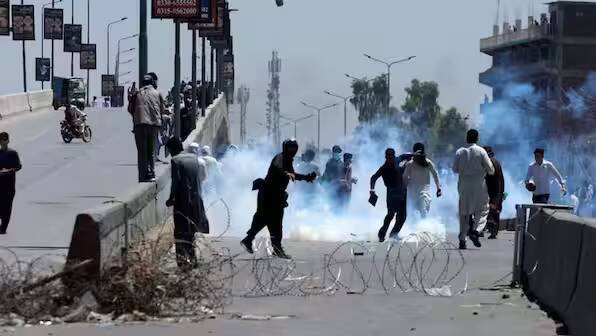
In a shocking turn of events, a protest demanding a separate ‘Sindhu Desh’ turned violent in Pakistan’s Karachi, as stone pelting and clashes with police were reported. The protest, which was organized by the Jiye Sindh Muttahida Mahaz (JSSM), saw Sindhis coming together to raise their voices for a separate homeland. The protesters, who were armed with stones and slogans, demanded ‘Azadi’ (freedom) and chanted ‘Pakistan Murdabad’ (down with Pakistan), highlighting the deep-seated resentment among the Sindhi community towards the Pakistani government.
According to reports, the authorities had redirected the rally’s path, which made the protesters angry, forcing them to throw stones at the police. The situation quickly escalated, with clashes breaking out between the protesters and the police. The use of force by the police only added fuel to the fire, with the protesters becoming more agitated and violent. The streets of Karachi, which were once filled with the sounds of chanting and slogans, were now filled with the sounds of stone pelting and police sirens.
The demand for a separate ‘Sindhu Desh’ is not a new one, with the Sindhi community having been fighting for their rights and freedom for decades. The Sindhis, who are the indigenous people of the Sindh province, have long been marginalized and oppressed by the Pakistani government. They have been denied their basic rights, including the right to self-determination, and have been forced to live in a state of perpetual poverty and deprivation.
The Jiye Sindh Muttahida Mahaz (JSSM), which is a Sindhi nationalist party, has been at the forefront of the movement for a separate ‘Sindhu Desh’. The party, which was founded by the late G.M. Syed, has been advocating for the rights of the Sindhi people and has been demanding a separate homeland for the community. The party’s slogan, ‘Jiye Sindh’ (long live Sindh), has become a rallying cry for the Sindhi people, who see it as a symbol of their resistance against the Pakistani government.
The violence in Karachi is not an isolated incident, but is rather a part of a larger pattern of unrest and discontent in Pakistan. The country, which was created in 1947, has been plagued by ethnic and sectarian tensions, with various communities demanding their rights and freedom. The Baloch, who are another marginalized community in Pakistan, have also been fighting for their independence, with the Balochistan Liberation Army (BLA) waging a guerrilla war against the Pakistani government.
The Pakistani government, which has been accused of human rights abuses and repression, has been trying to quell the unrest through force. However, this approach has only made the situation worse, with the protesters becoming more determined and violent. The government’s refusal to listen to the demands of the Sindhi people and to address their grievances has only added to the sense of frustration and anger among the community.
The international community, which has been watching the situation in Pakistan with concern, has been calling on the government to respect the rights of the Sindhi people and to address their grievances. The United Nations, which has been monitoring the situation, has been urging the government to engage in dialogue with the Sindhi leaders and to find a peaceful solution to the conflict.
In conclusion, the violent protest in Karachi is a wake-up call for the Pakistani government, which needs to address the grievances of the Sindhi people and to respect their rights. The demand for a separate ‘Sindhu Desh’ is a legitimate one, and the government needs to engage in dialogue with the Sindhi leaders to find a peaceful solution to the conflict. The use of force and repression will only make the situation worse, and the government needs to adopt a more nuanced and inclusive approach to address the concerns of the Sindhi people.
The world is watching the situation in Pakistan with concern, and it is imperative that the government takes immediate action to address the grievances of the Sindhi people. The international community needs to put pressure on the government to respect the rights of the Sindhi people and to find a peaceful solution to the conflict. The fate of the Sindhi people, who have been marginalized and oppressed for decades, hangs in the balance, and it is imperative that the government takes immediate action to address their concerns.
About the Author