Venezuela announces bill for mass release of political prisoners
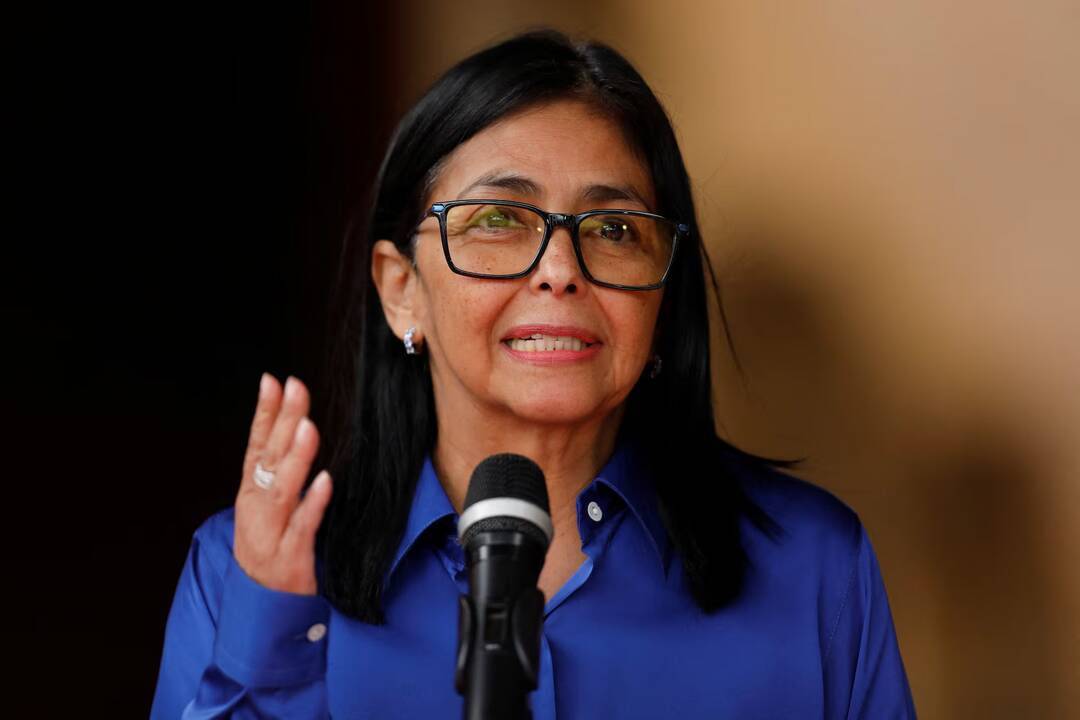
In a move that could potentially ease the country’s longstanding human rights crisis, Venezuela’s acting president Delcy Rodríguez has announced an amnesty bill that could result in the release of thousands of political prisoners. The bill, which was unveiled by Rodríguez, aims to grant freedom to opposition leaders, journalists, and human rights activists who have been imprisoned for their dissenting views.
According to Rodríguez, the new law will cover cases dating back to 1999, effectively encompassing over two decades of political unrest and repression in the country. However, the amnesty will not be extended to individuals accused of serious crimes such as killings, human rights abuses, and drug trafficking. This caveat is likely intended to assuage concerns that the government is not seeking to pardon those responsible for violent or heinous acts.
The announcement has been met with a mix of optimism and skepticism, with some hailing it as a significant step towards reconciliation and others expressing doubts about the government’s true intentions. Venezuela has long been criticized for its poor human rights record, with thousands of people imprisoned for their political views or affiliations. The country’s judicial system has also been accused of being heavily biased in favor of the government, with many trials deemed to be unfair and lacking in due process.
The proposed amnesty bill is likely to have far-reaching implications for Venezuela’s political landscape. For years, the government has been at odds with the opposition, which has accused it of suppressing dissent and violating human rights. The release of political prisoners could help to ease tensions and create an environment more conducive to dialogue and reconciliation.
However, the bill’s success will depend on various factors, including the government’s willingness to implement it in good faith and the opposition’s readiness to engage in constructive dialogue. There are also concerns that the amnesty could be used as a tool for the government to exert control over the opposition, by releasing prisoners on condition that they refrain from engaging in political activities or criticizing the government.
The international community has been watching developments in Venezuela with keen interest, with many countries and organizations calling for an end to the country’s human rights crisis. The United Nations, in particular, has been vocal in its criticism of Venezuela’s human rights record, with the UN High Commissioner for Human Rights, Michelle Bachelet, expressing concern over the country’s “pattern of repression” and “serious human rights violations.”
The announcement of the amnesty bill comes at a time when Venezuela is facing significant economic and social challenges. The country is struggling to recover from a devastating economic crisis, which has led to widespread poverty, hunger, and migration. The COVID-19 pandemic has further exacerbated these challenges, with Venezuela’s healthcare system facing significant strain.
In this context, the release of political prisoners could be seen as a crucial step towards rebuilding trust and fostering a sense of national unity. By granting amnesty to those who have been imprisoned for their political views, the government may be able to create an environment more conducive to dialogue and cooperation.
However, the road ahead will be long and challenging. Venezuela’s political and social wounds run deep, and rebuilding trust will require significant effort and commitment from all parties involved. The international community will also need to play a supportive role, providing assistance and guidance to help Venezuela navigate its complex human rights and political challenges.
As the country embarks on this new chapter, it is essential to remember the thousands of Venezuelans who have suffered under the government’s repression. The release of political prisoners is a crucial step towards justice and accountability, but it is only the beginning. The government must also take concrete steps to address the underlying issues that have led to the country’s human rights crisis, including the lack of judicial independence, the suppression of free speech, and the persecution of opposition leaders and activists.
In conclusion, the announcement of the amnesty bill is a significant development in Venezuela’s ongoing human rights crisis. While there are valid concerns about the government’s intentions and the bill’s potential impact, it is essential to recognize the potential benefits of releasing thousands of political prisoners. As the country moves forward, it is crucial to prioritize justice, accountability, and human rights, and to work towards creating a more inclusive and democratic society.
News Source: https://www.firstpost.com/world/venezuela-delcy-rodriguez-announces-amnesty-for-political-prisoners-13974437.html/amp
About the Author