Venezuela announces bill for mass release of political prisoners
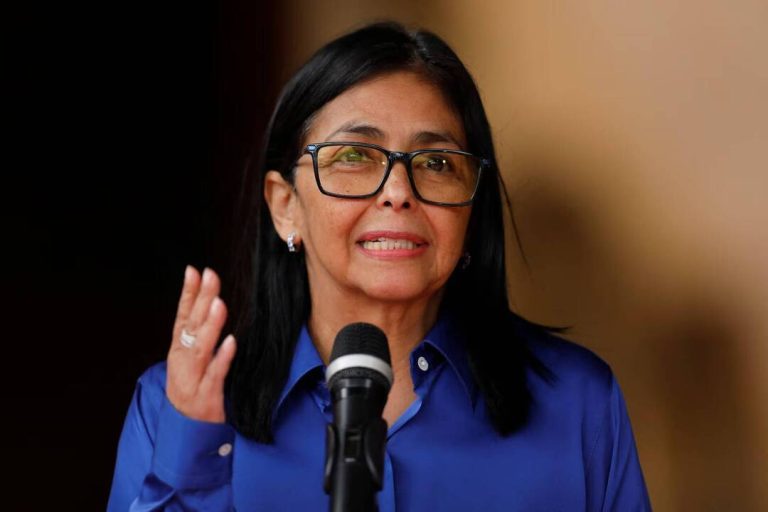
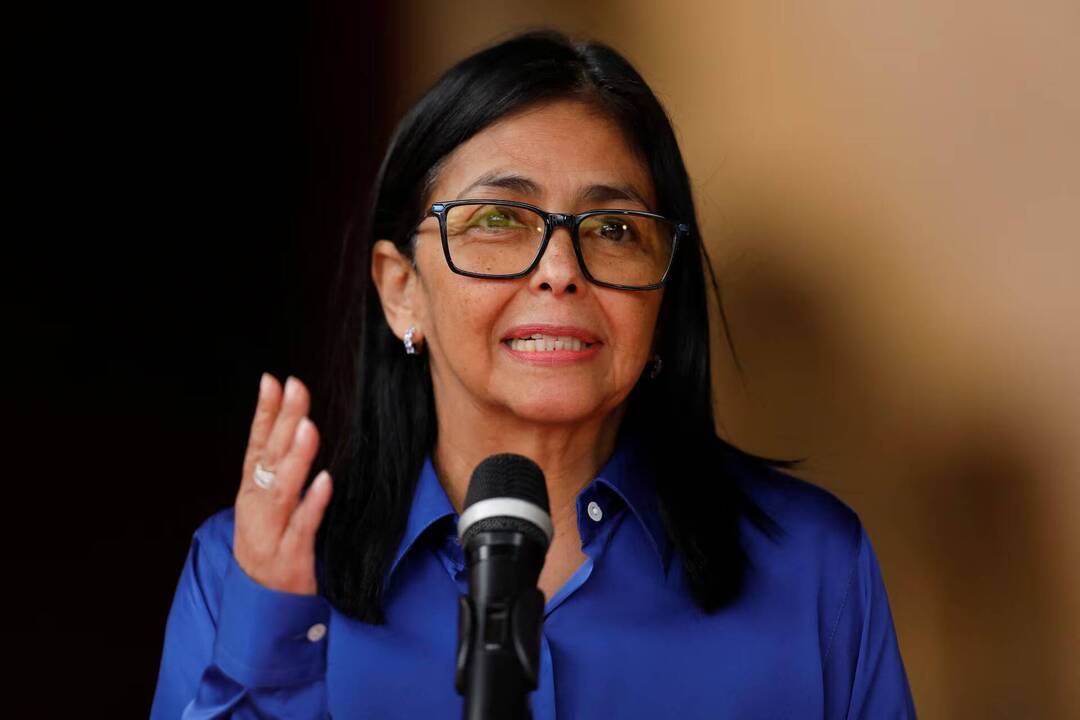
In a surprise move, Venezuela’s acting president Delcy Rodríguez has announced an amnesty bill that could result in the release of thousands of political prisoners, including opposition leaders, journalists, and human rights activists. The announcement has sent shockwaves throughout the country and the international community, with many hailing it as a significant step towards reconciliation and healing in the troubled nation.
According to Rodríguez, the new law will cover cases from 1999 until today, effectively encompassing over two decades of political unrest and repression in Venezuela. However, the amnesty will not be extended to those accused of serious crimes such as killings, human rights abuses, and drug trafficking. This caveat is likely intended to placate critics who might argue that the amnesty is too broad or lenient.
The move is seen as a major concession by the Venezuelan government, which has faced intense criticism and pressure from the international community over its human rights record. For years, opposition leaders, journalists, and activists have been detained and imprisoned on dubious charges, often without due process or fair trials. The situation has been particularly dire since the presidency of Nicolas Maduro, who has been accused of suppressing dissent and opposition through force and intimidation.
The amnesty bill is likely to have far-reaching implications for Venezuela’s political landscape. With thousands of political prisoners potentially set to be released, the opposition movement is likely to receive a significant boost. Many of the prisoners who will be freed are likely to return to active politics, potentially altering the balance of power in the country. Additionally, the release of journalists and human rights activists will likely lead to increased scrutiny and criticism of the government, potentially forcing it to become more transparent and accountable.
The international community has welcomed the announcement, with many countries and organizations expressing hope that it will mark the beginning of a new era of reconciliation and cooperation in Venezuela. The United Nations, the European Union, and the Organization of American States have all issued statements praising the move and encouraging the Venezuelan government to continue on the path of reform and dialogue.
However, not everyone is optimistic about the amnesty bill. Some critics argue that it does not go far enough, and that the government should be doing more to address the underlying issues that led to the imprisonment of so many people in the first place. Others have expressed concerns that the amnesty will be used as a tool for the government to silence its critics and opponents, rather than as a genuine attempt to promote healing and reconciliation.
Despite these concerns, the announcement is a significant step forward for Venezuela. The country has been plagued by political unrest and repression for far too long, and the release of thousands of political prisoners has the potential to be a game-changer. As the country moves forward, it will be important for the government to continue on the path of reform and dialogue, and to work towards creating a more just and equitable society for all Venezuelans.
In the coming weeks and months, the world will be watching with great interest as the amnesty bill makes its way through the Venezuelan legislature and begins to take effect. It remains to be seen how the government will implement the law, and how the opposition and civil society will respond. One thing is certain, however: the announcement of the amnesty bill is a significant development in the ongoing saga of Venezuelan politics, and it has the potential to mark the beginning of a new era of peace and reconciliation in the troubled nation.
As the situation continues to unfold, it will be important for the international community to remain engaged and supportive of the Venezuelan people. The country faces many challenges, from economic instability to social unrest, and it will require the help and cooperation of the international community to overcome them. By working together and promoting dialogue and cooperation, it is possible to build a brighter future for Venezuela and its people.
In conclusion, the announcement of the amnesty bill by Venezuela’s acting president Delcy Rodríguez is a significant development in the country’s ongoing political saga. The release of thousands of political prisoners has the potential to be a game-changer, and it marks an important step towards reconciliation and healing in the troubled nation. As the situation continues to unfold, it will be important for the international community to remain engaged and supportive of the Venezuelan people, and to promote dialogue and cooperation in the pursuit of a more just and equitable society for all.
News Source: https://www.firstpost.com/world/venezuela-delcy-rodriguez-announces-amnesty-for-political-prisoners-13974437.html/amp
About the Author