US Unveils Master Plan to Develop ‘New Gaza’
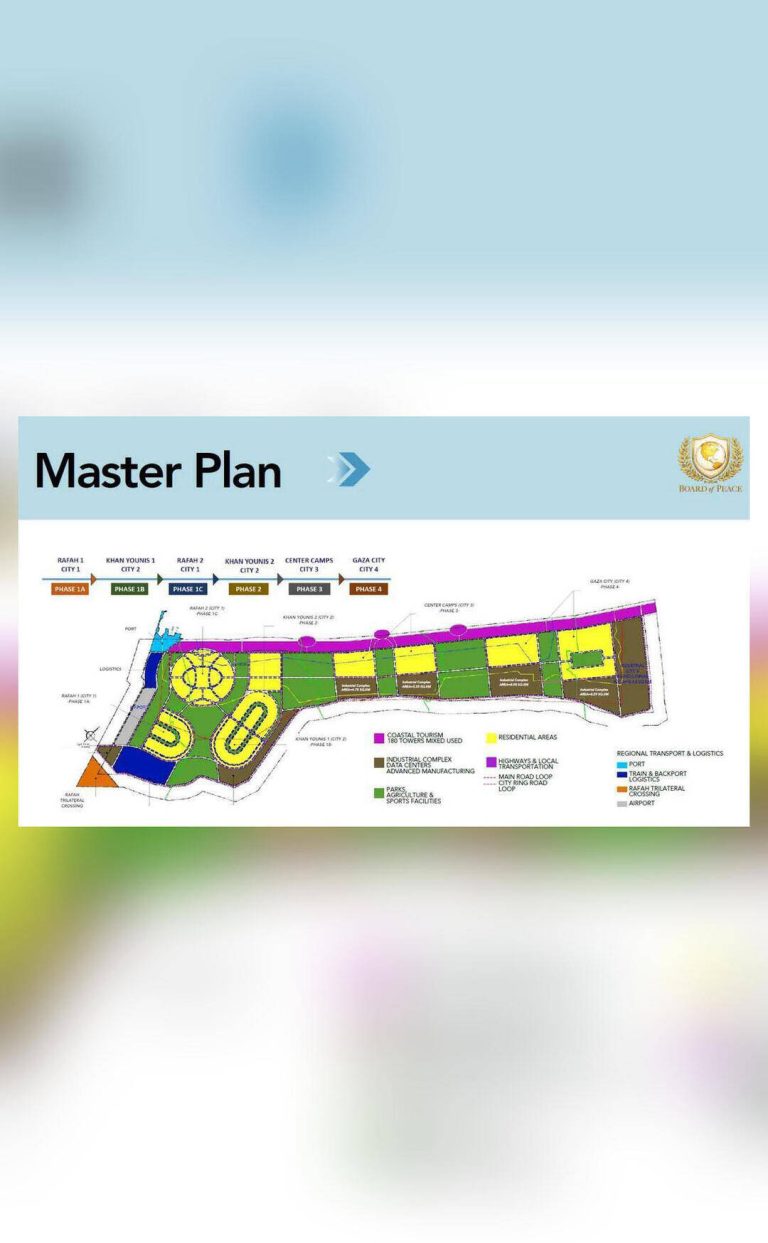
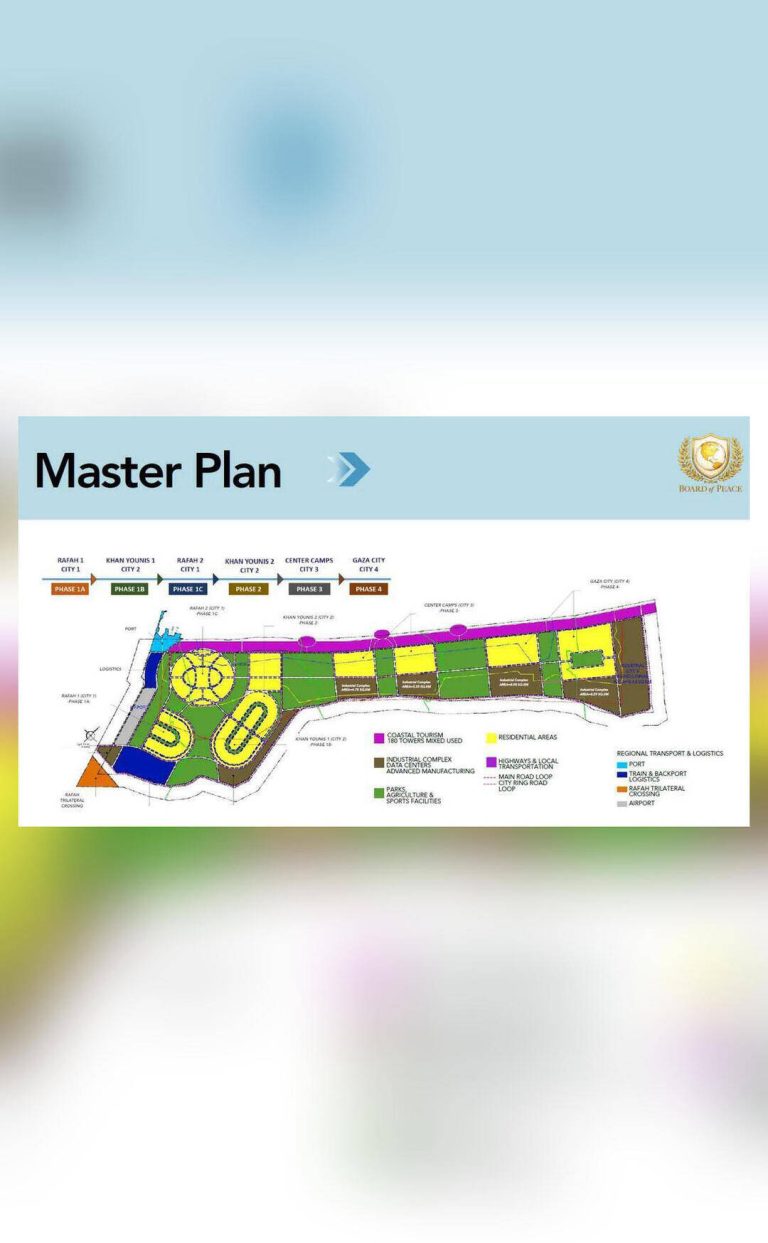
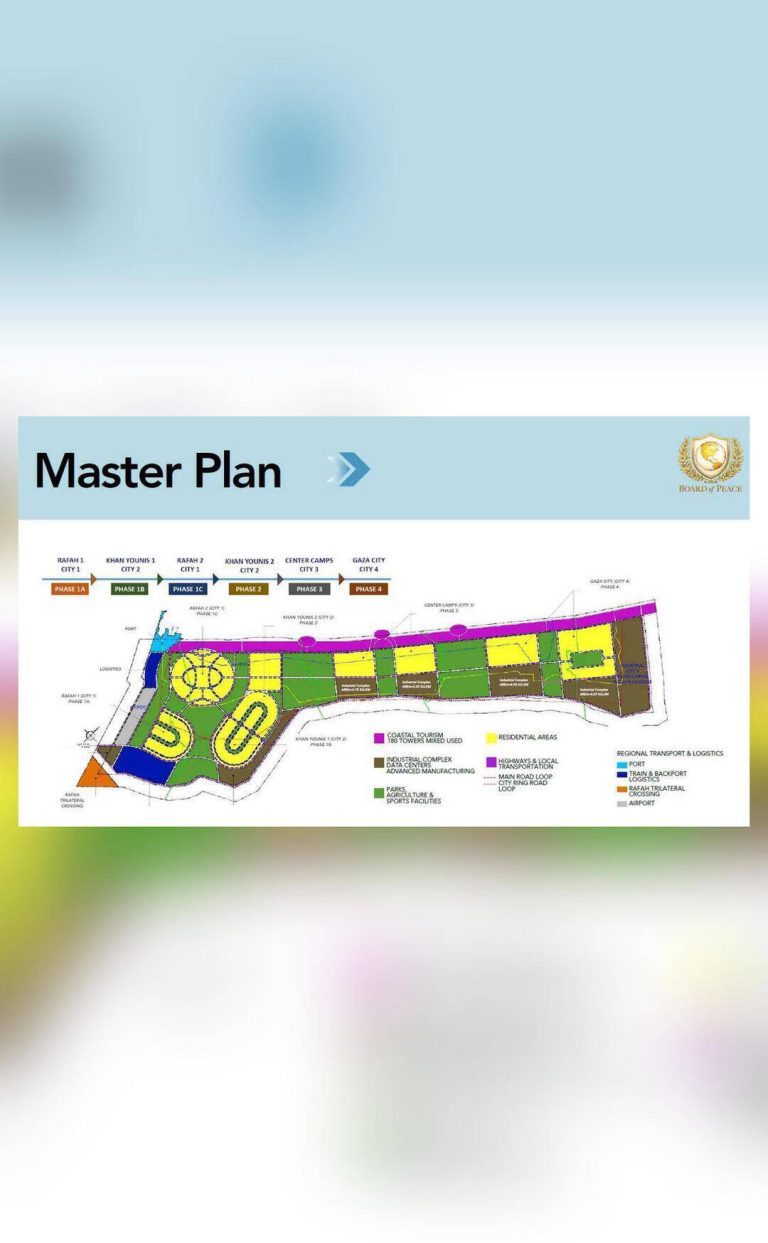
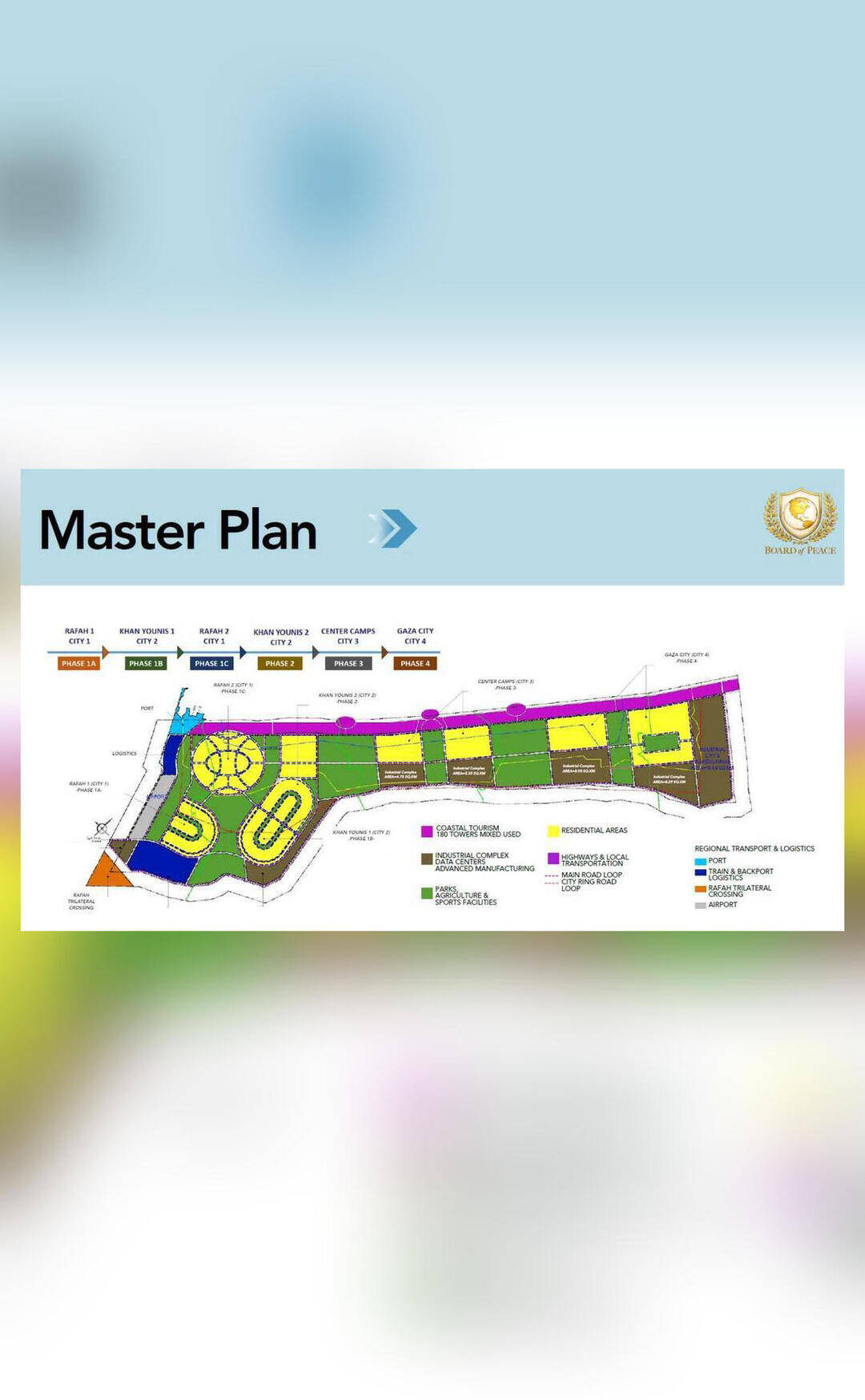
The United States has unveiled an ambitious plan to develop a ‘New Gaza’, a project aimed at transforming the impoverished and war-torn Gaza Strip into a thriving economic hub. The plan, announced at the World Economic Forum in Davos on Thursday, includes a range of infrastructure projects, including a new seaport, an airport, and a zone for ‘coastal tourism’. The announcement comes at a time of heightened tensions in the region, with Israeli fire killing five Palestinians in recent days.
According to Jared Kushner, son-in-law of former US President Donald Trump and a key architect of the plan, the project is designed to bring economic prosperity to the people of Gaza and create new opportunities for trade and investment. “People ask us what our plan B is…we don’t have a plan B,” Kushner said, emphasizing the US commitment to the project. “We are all-in on this plan, and we believe it has the potential to transform the lives of the people of Gaza.”
The plan, which has been in development for several years, is centered around the creation of a new seaport in Gaza, which would provide a major boost to the local economy. The port would allow for the import and export of goods, creating new opportunities for trade and commerce. In addition to the port, the plan also includes the construction of a new airport, which would provide a vital link to the outside world and facilitate the growth of tourism in the region.
The zone for ‘coastal tourism’ is another key component of the plan, with the US envisioning a stretch of coastline in Gaza being developed into a thriving tourist destination. The area would feature hotels, restaurants, and other amenities, creating new jobs and economic opportunities for the local population. The plan also includes a range of other infrastructure projects, including roads, bridges, and utilities, all designed to support the growth of the local economy.
The US has pledged significant financial support for the project, with estimates suggesting that the total cost of the plan could run into billions of dollars. The funding would come from a combination of public and private sources, with the US government providing a significant portion of the financing. The plan has been welcomed by some in the region, who see it as a potential game-changer for the people of Gaza.
However, others have expressed skepticism about the plan, citing concerns about the lack of involvement from the Palestinian Authority and the potential for the project to be used as a tool of political leverage. Some have also questioned the feasibility of the plan, given the complex geopolitical dynamics of the region and the ongoing conflict between Israel and the Palestinians.
Despite these challenges, the US remains committed to the project, with Kushner and other officials arguing that it has the potential to bring about a major breakthrough in the region. “We believe that this plan can help to create a new era of peace and prosperity in the Middle East,” Kushner said. “We are willing to take risks and invest in the people of Gaza, and we believe that they have the potential to achieve great things.”
The plan has also been welcomed by some in the business community, who see it as a major opportunity for investment and growth. “The development of a new seaport and airport in Gaza would be a major boost to the local economy,” said one business leader. “It would provide new opportunities for trade and commerce, and would help to create jobs and stimulate economic growth.”
However, others have expressed concerns about the potential environmental impact of the project, particularly the construction of a new seaport and the development of a coastal tourism zone. “We need to make sure that any development in Gaza is sustainable and environmentally friendly,” said one environmental activist. “We cannot afford to repeat the mistakes of the past and prioritize economic growth over environmental protection.”
As the plan moves forward, it is likely to face significant challenges and obstacles. The ongoing conflict between Israel and the Palestinians, as well as the complex geopolitical dynamics of the region, will all need to be navigated in order for the project to succeed. However, with the US commitment to the plan and the potential for significant economic benefits, there is a sense of optimism in the region that a new era of peace and prosperity may be on the horizon.
In conclusion, the US plan to develop a ‘New Gaza’ is a ambitious and complex project that has the potential to bring about significant economic benefits to the people of Gaza. While there are certainly challenges and obstacles to be overcome, the plan has been welcomed by some in the region and has the potential to create new opportunities for trade, investment, and growth. As the project moves forward, it will be important to ensure that the needs and concerns of all parties are taken into account, and that the development of Gaza is sustainable, equitable, and environmentally friendly.
About the Author