US Unveils Master Plan to Develop ‘New Gaza’
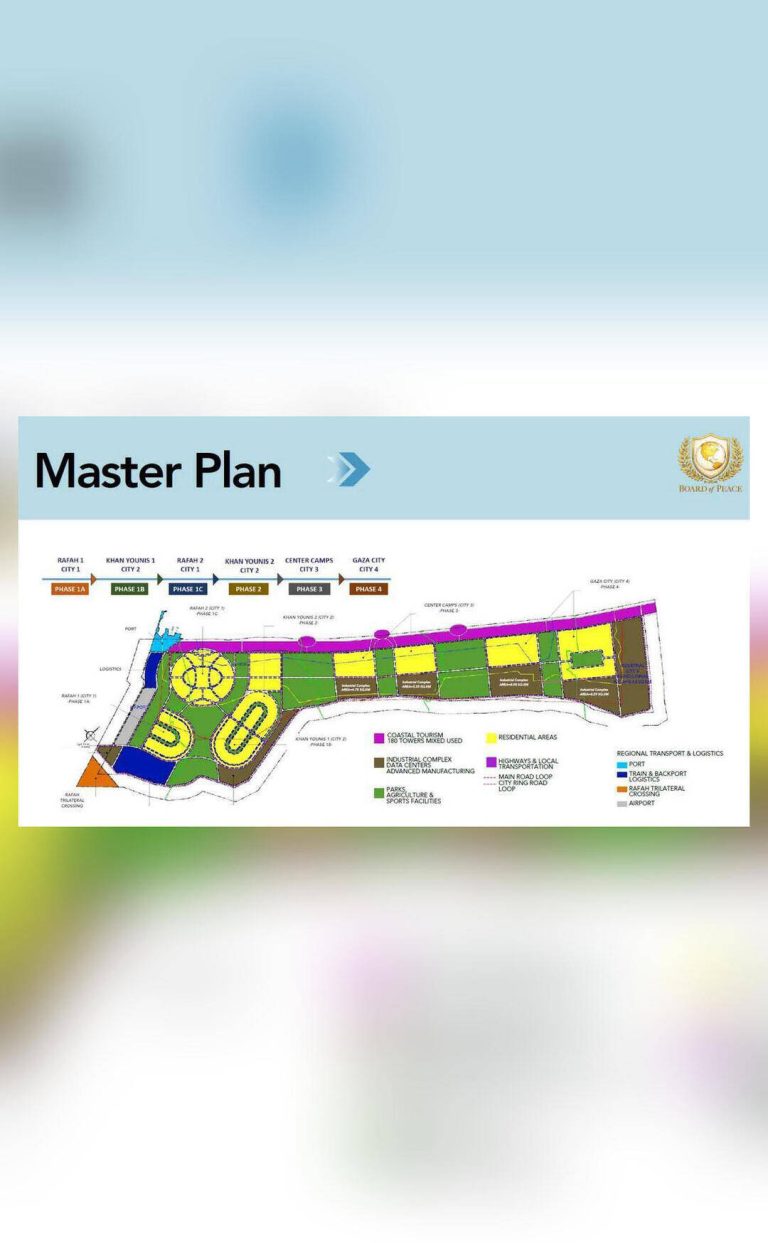
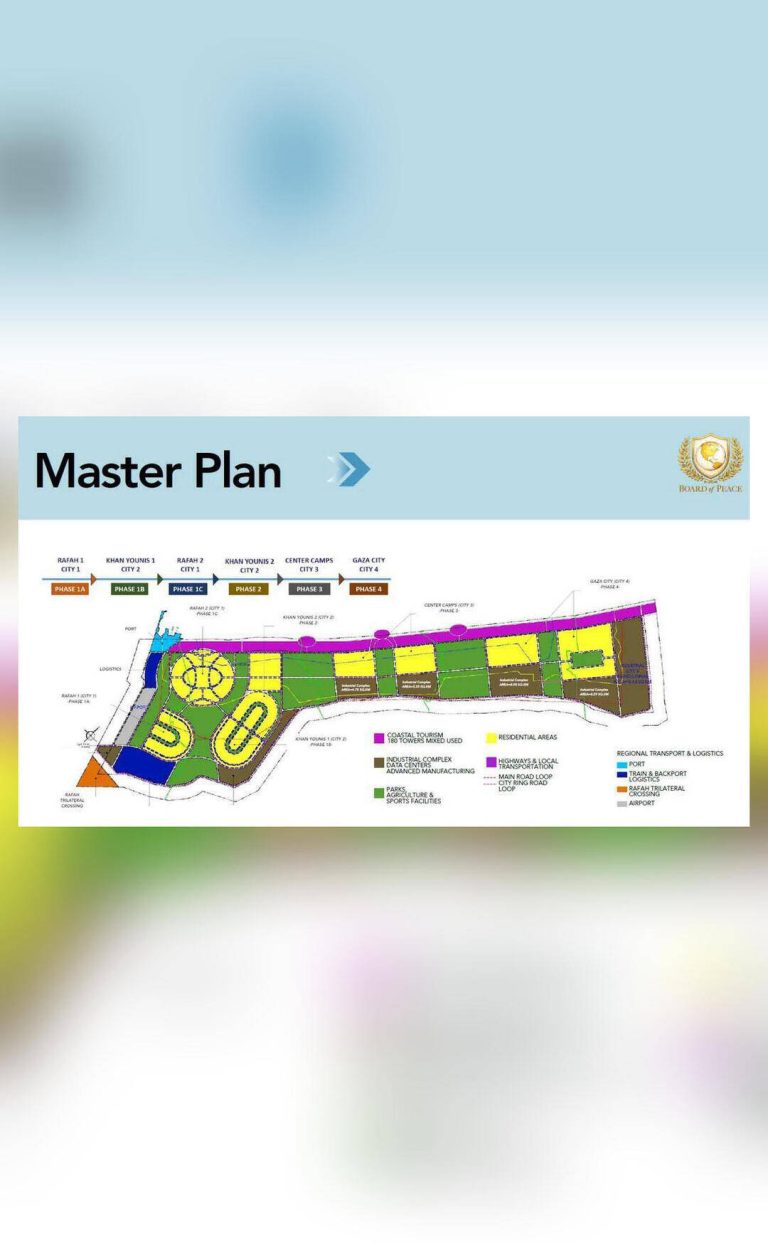
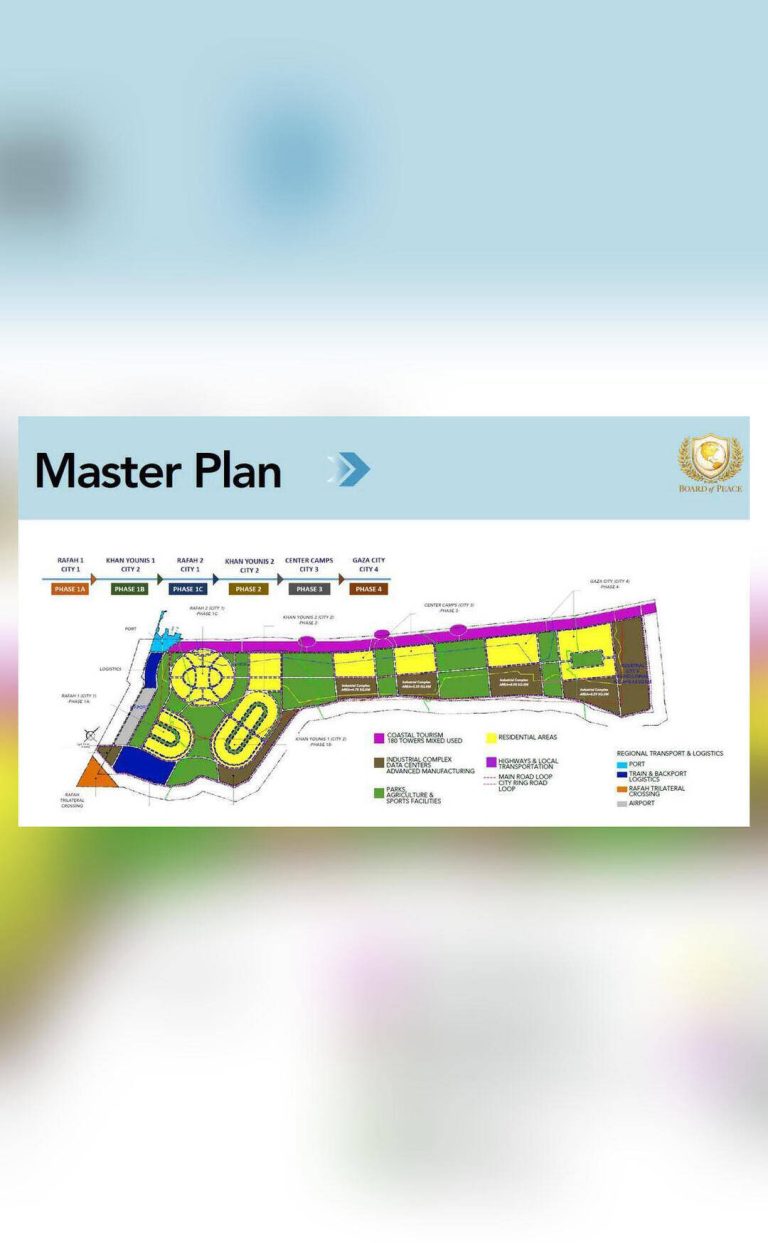
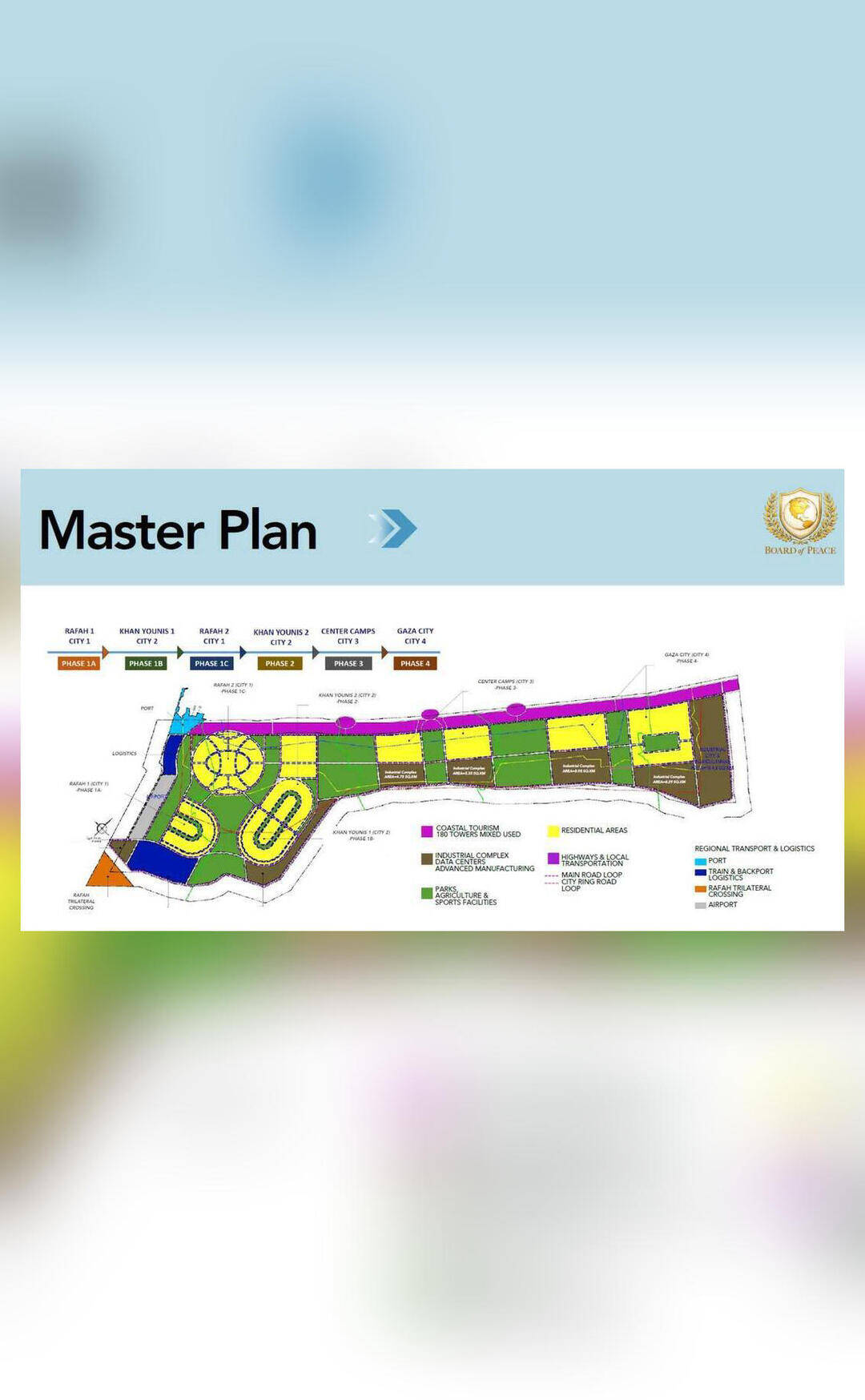
In a significant announcement made at the World Economic Forum in Davos on Thursday, the United States unveiled a comprehensive ‘master plan’ aimed at developing a ‘New Gaza’. The plan, unveiled by Jared Kushner, the son-in-law of former US President Donald Trump, outlines a vision for transforming the Gaza Strip into a thriving economic hub. The proposal includes the development of a new seaport, an airport, and a zone dedicated to ‘coastal tourism’, among other initiatives.
Speaking at the forum, Kushner emphasized the US commitment to the project, stating, “People ask us what our plan B is…we don’t have a plan B.” This assertion underscores the confidence of the US administration in the viability and potential of the ‘New Gaza’ plan. The absence of a ‘plan B’ suggests that the US is fully invested in the success of this initiative and is willing to dedicate the necessary resources to bring it to fruition.
The ‘New Gaza’ plan is ambitious in its scope, with a focus on creating a thriving economy that can support the local population and provide opportunities for growth and development. The proposed seaport, for instance, is expected to facilitate trade and commerce, while the airport will improve connectivity and accessibility to the region. The ‘coastal tourism’ zone is envisioned as a major draw for visitors, showcasing the natural beauty and rich cultural heritage of the area.
The US vision for ‘New Gaza’ is not limited to infrastructure development; it also encompasses a range of social and economic initiatives aimed at improving the lives of the local population. These include programs focused on education, healthcare, and employment, all of which are critical to creating a stable and prosperous society.
However, the unveiling of the ‘New Gaza’ plan comes at a sensitive time, with tensions running high in the region. On the same day that the plan was announced, Israeli fire killed five Palestinians, highlighting the ongoing challenges and complexities of the conflict. The situation on the ground serves as a stark reminder of the difficulties that must be overcome in order to achieve lasting peace and stability in the region.
Despite these challenges, the US remains committed to the ‘New Gaza’ plan, viewing it as a critical component of its broader strategy for the Middle East. The plan is seen as a means of promoting economic development, reducing poverty, and creating opportunities for the local population. By doing so, the US hopes to help create a more stable and secure environment, one that is conducive to peace and cooperation.
The ‘New Gaza’ plan has been met with a range of reactions, with some hailing it as a positive step forward and others expressing skepticism about its feasibility. Critics argue that the plan fails to address the underlying issues driving the conflict, including the Israeli-Palestinian dispute over territory and sovereignty. Others have raised concerns about the potential for the plan to be used as a means of exerting control over the local population, rather than genuinely empowering them.
In response to these concerns, the US has emphasized its commitment to working with all parties to ensure that the ‘New Gaza’ plan is implemented in a fair and transparent manner. This includes engaging with the Palestinian Authority, as well as other regional stakeholders, to ensure that the plan reflects the needs and aspirations of the local population.
As the ‘New Gaza’ plan moves forward, it will be critical to monitor its progress and assess its impact on the ground. The US will need to work closely with all parties to ensure that the plan is implemented in a way that is equitable, sustainable, and responsive to the needs of the local population. This will require a concerted effort to address the underlying issues driving the conflict, as well as a commitment to promoting economic development and social justice.
In conclusion, the US unveiling of the ‘New Gaza’ plan marks an important development in the region, one that has the potential to bring about significant economic and social benefits to the local population. While challenges remain, the US commitment to the plan is a positive step forward, and one that reflects a genuine desire to promote peace, stability, and prosperity in the region.
About the Author