US Unveils Master Plan to Develop ‘New Gaza’
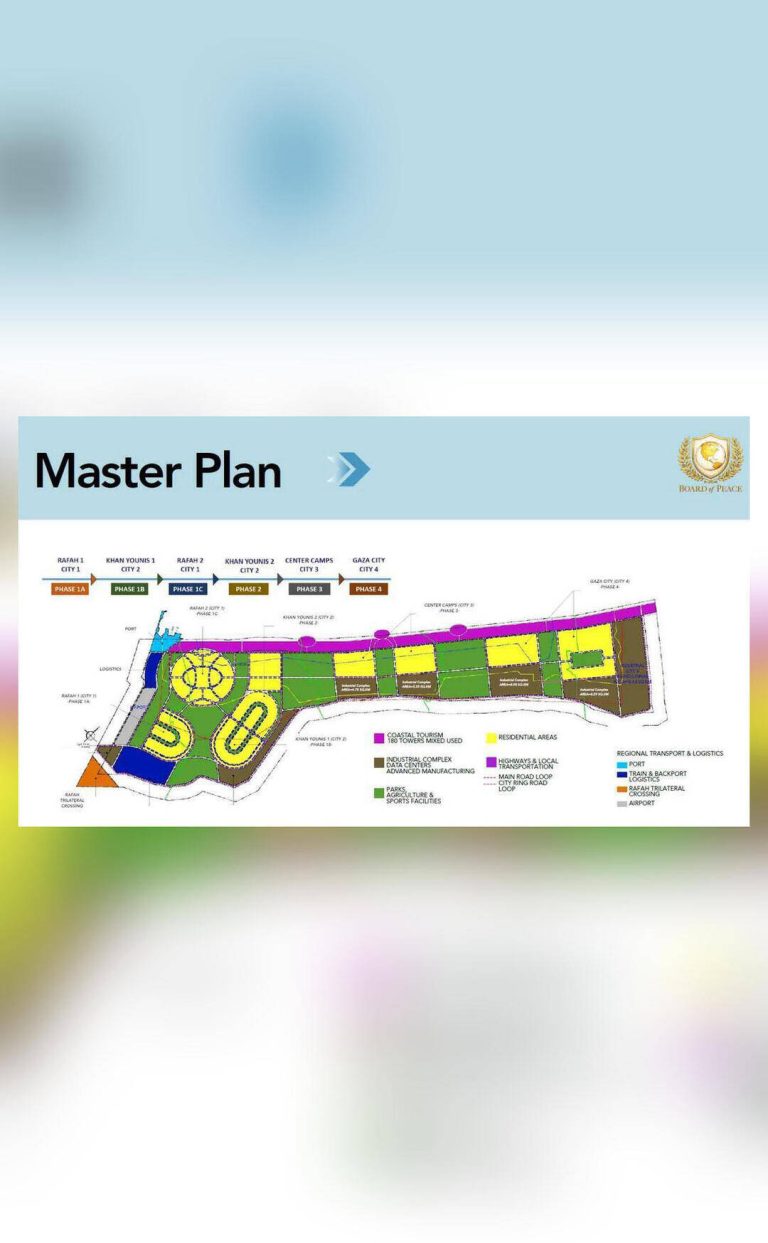
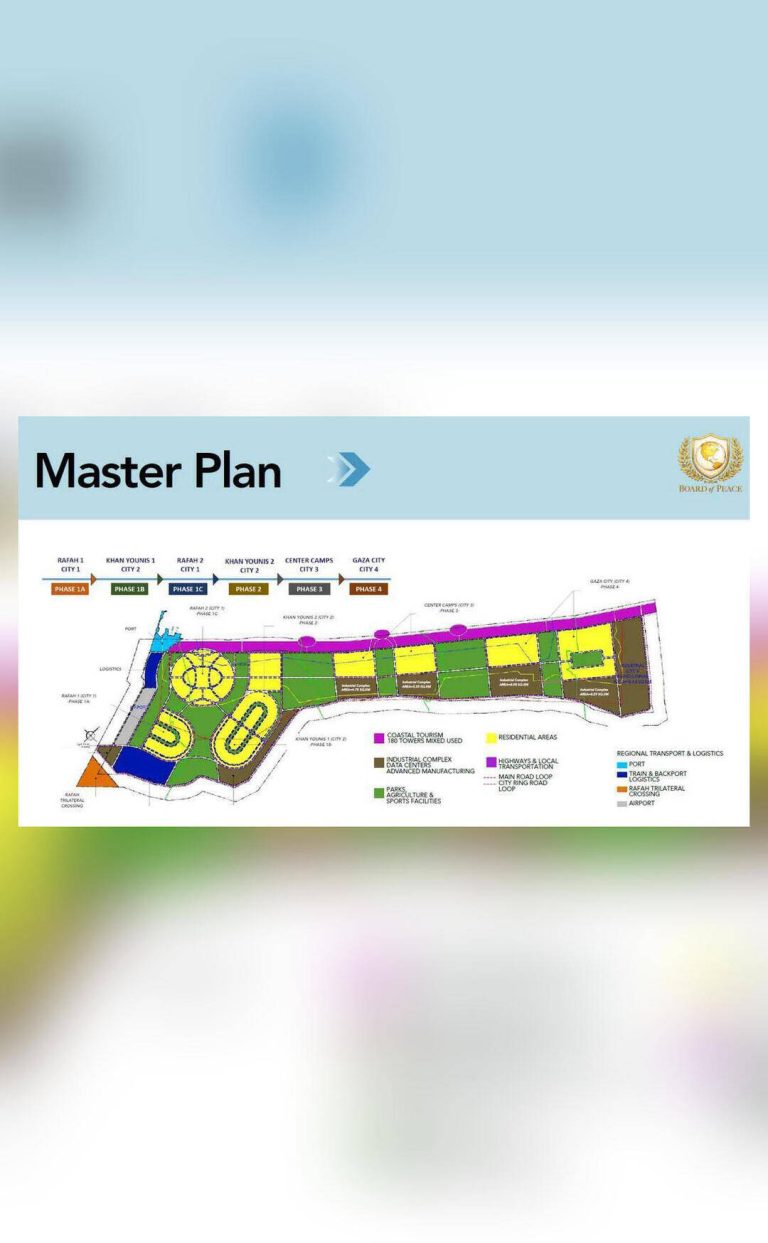
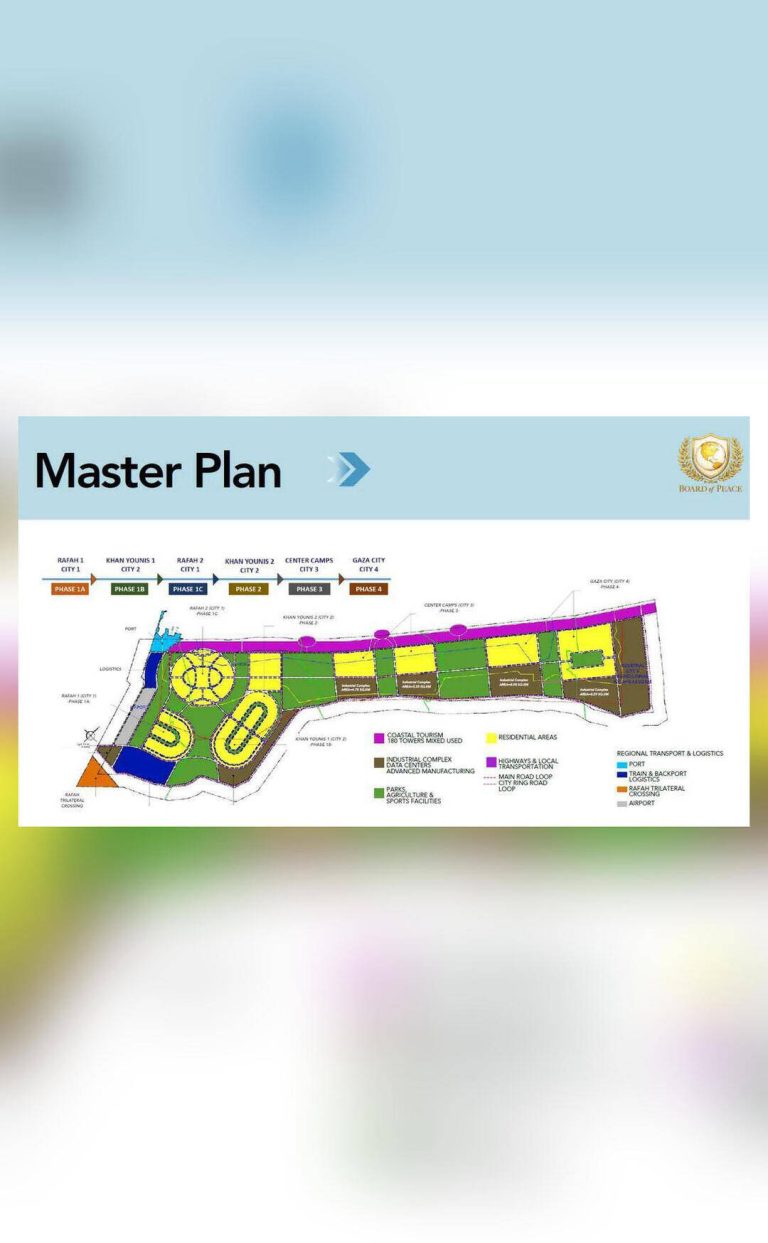
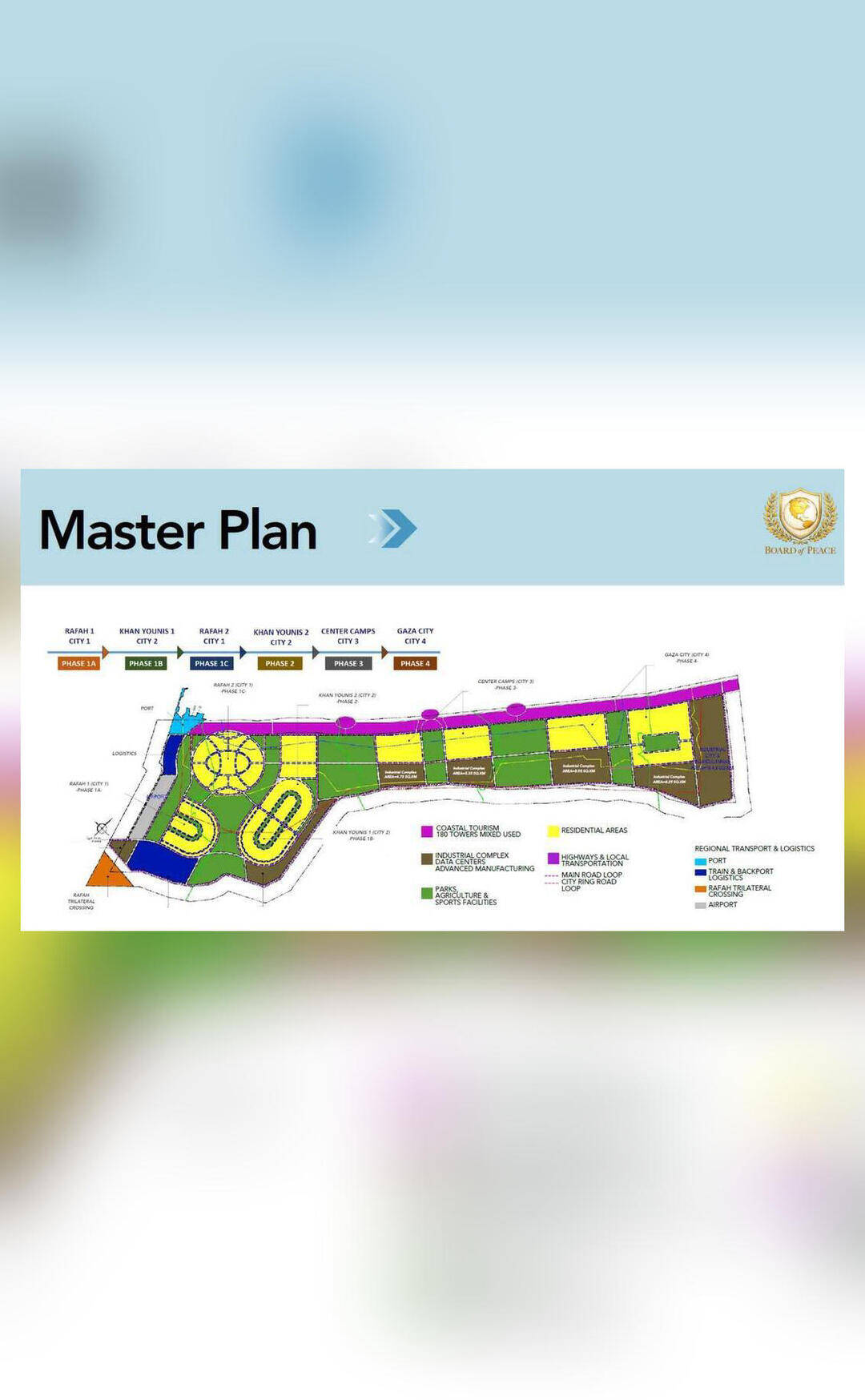
The United States has unveiled a comprehensive ‘master plan’ to develop ‘New Gaza’ at the World Economic Forum in Davos, Switzerland, on Thursday. The plan, unveiled by Jared Kushner, the son-in-law of former US President Donald Trump, aims to transform the Gaza Strip into a thriving economic hub. According to Kushner, the plan includes a wide range of infrastructure projects, including a new seaport, an airport, and a zone for ‘coastal tourism’.
Kushner, who has been instrumental in shaping the US’s Middle East policy, expressed confidence in the success of the plan, saying, “People ask us what our plan B is…we don’t have a plan B.” This statement suggests that the US is fully committed to the development of ‘New Gaza’ and is not considering any alternative options.
The ‘New Gaza’ plan is part of a broader effort by the US to promote economic development and stability in the Middle East. The plan is expected to have a significant impact on the region, not only in terms of economic growth but also in terms of promoting peace and stability. The Gaza Strip, which has been plagued by poverty, unemployment, and conflict for decades, is in dire need of economic development and investment.
The new seaport, which is a key component of the plan, is expected to provide a major boost to the local economy. The port will enable the Gaza Strip to increase its trade with other countries, creating new opportunities for businesses and entrepreneurs. The airport, which is also part of the plan, will facilitate travel and transportation, making it easier for people to visit the Gaza Strip and for goods to be transported in and out of the region.
The ‘coastal tourism’ zone is another important aspect of the plan. The zone is expected to attract tourists from around the world, who will come to enjoy the beautiful beaches and rich cultural heritage of the Gaza Strip. This will not only create new jobs and economic opportunities but also help to promote a positive image of the region.
In addition to these infrastructure projects, the ‘New Gaza’ plan also includes a range of other initiatives aimed at promoting economic development and stability. These include programs to support entrepreneurs and small businesses, as well as initiatives to improve education and healthcare in the region.
While the ‘New Gaza’ plan has been welcomed by many as a positive step towards promoting economic development and stability in the region, it has also been met with skepticism by some. Some have questioned the feasibility of the plan, given the ongoing conflict and instability in the region. Others have expressed concerns about the potential impact of the plan on the local population, particularly in terms of displacement and environmental degradation.
Despite these concerns, the US remains committed to the ‘New Gaza’ plan, and officials are working closely with regional partners to bring the plan to fruition. The plan is seen as a key component of the US’s broader Middle East strategy, which aims to promote peace, stability, and economic development in the region.
In conclusion, the ‘New Gaza’ plan unveiled by the US at the World Economic Forum in Davos is a comprehensive and ambitious initiative aimed at promoting economic development and stability in the Gaza Strip. The plan includes a range of infrastructure projects, including a new seaport, an airport, and a zone for ‘coastal tourism’, as well as initiatives to support entrepreneurs and small businesses, improve education and healthcare, and promote peace and stability in the region. While there are challenges and concerns associated with the plan, the US remains committed to its implementation, and officials are working closely with regional partners to bring the plan to fruition.
As the situation in the Gaza Strip continues to evolve, it will be important to monitor the progress of the ‘New Gaza’ plan and its impact on the region. The plan has the potential to bring about significant economic and social benefits, but it also poses risks and challenges that will need to be carefully managed.
In related news, Israeli fire killed five Palestinians in the Gaza Strip, highlighting the ongoing conflict and instability in the region. The incident is a stark reminder of the challenges and risks associated with the ‘New Gaza’ plan, and the need for careful planning and management to ensure its successful implementation.
About the Author