US Unveils Master Plan to Develop ‘New Gaza’
In a significant move, the United States has unveiled a comprehensive master plan to develop a ‘New Gaza’ at the World Economic Forum in Davos on Thursday. The plan, which was presented by Jared Kushner, the son-in-law of former President Donald Trump, aims to transform the Gaza Strip into a thriving economic hub. The announcement has sparked a mix of reactions, with some hailing it as a groundbreaking initiative, while others have expressed skepticism about its feasibility and potential impact.
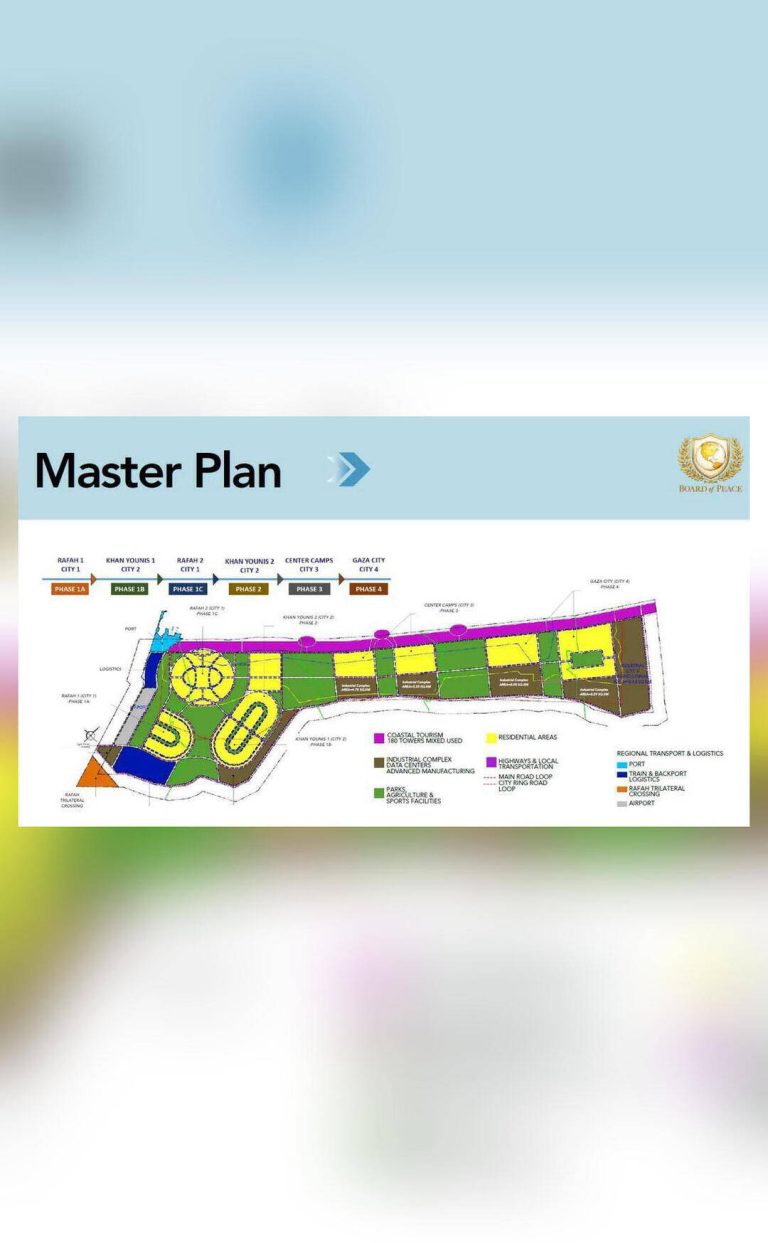
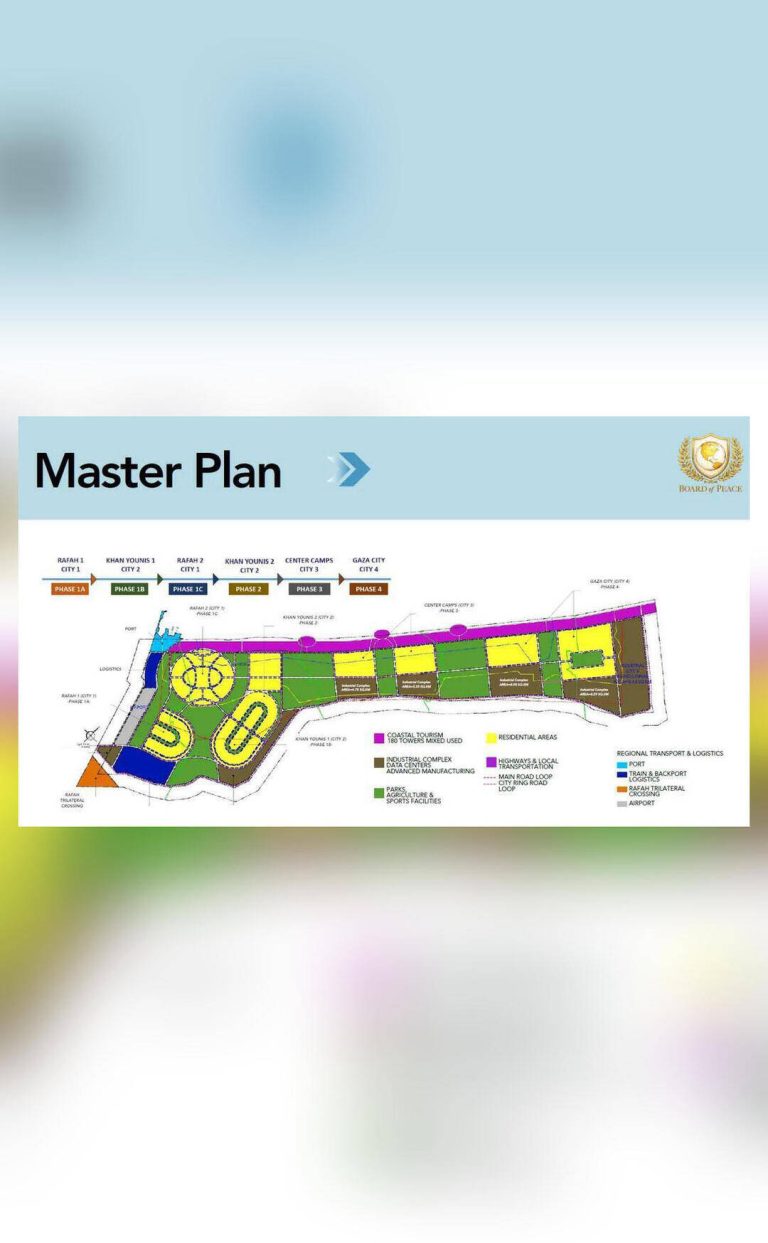
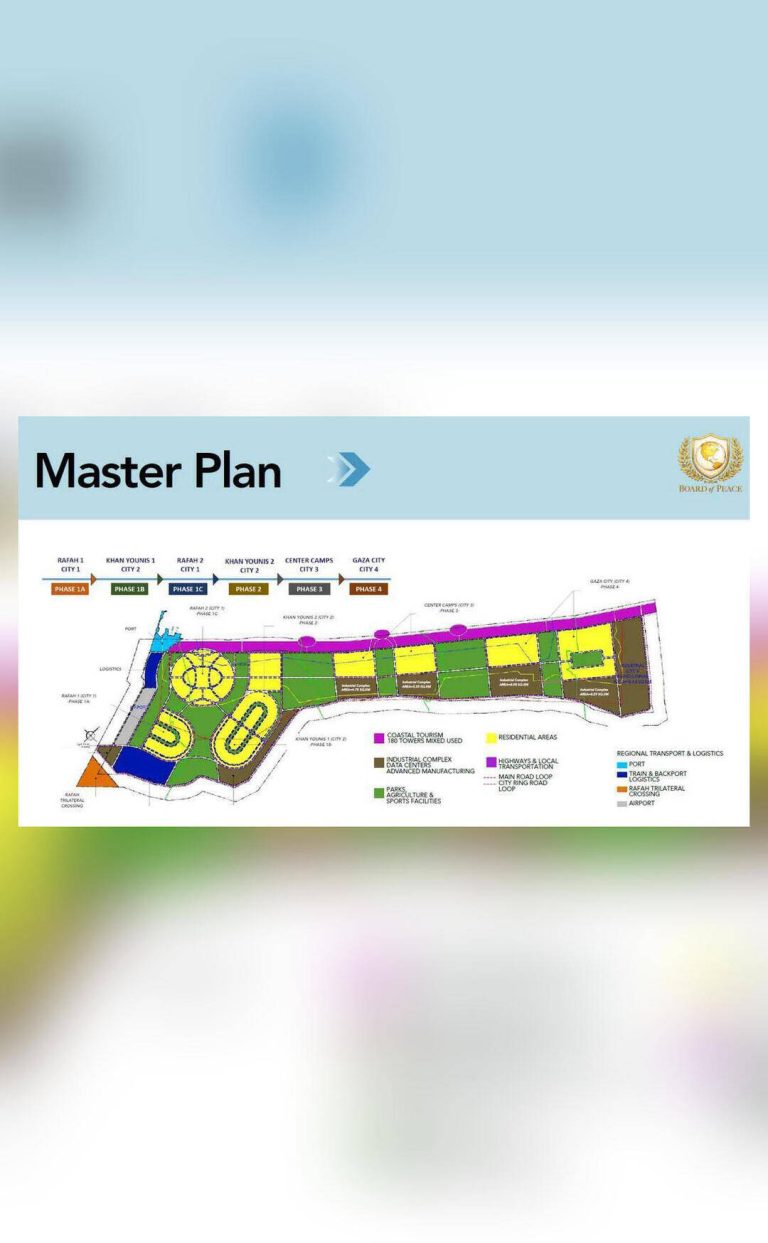
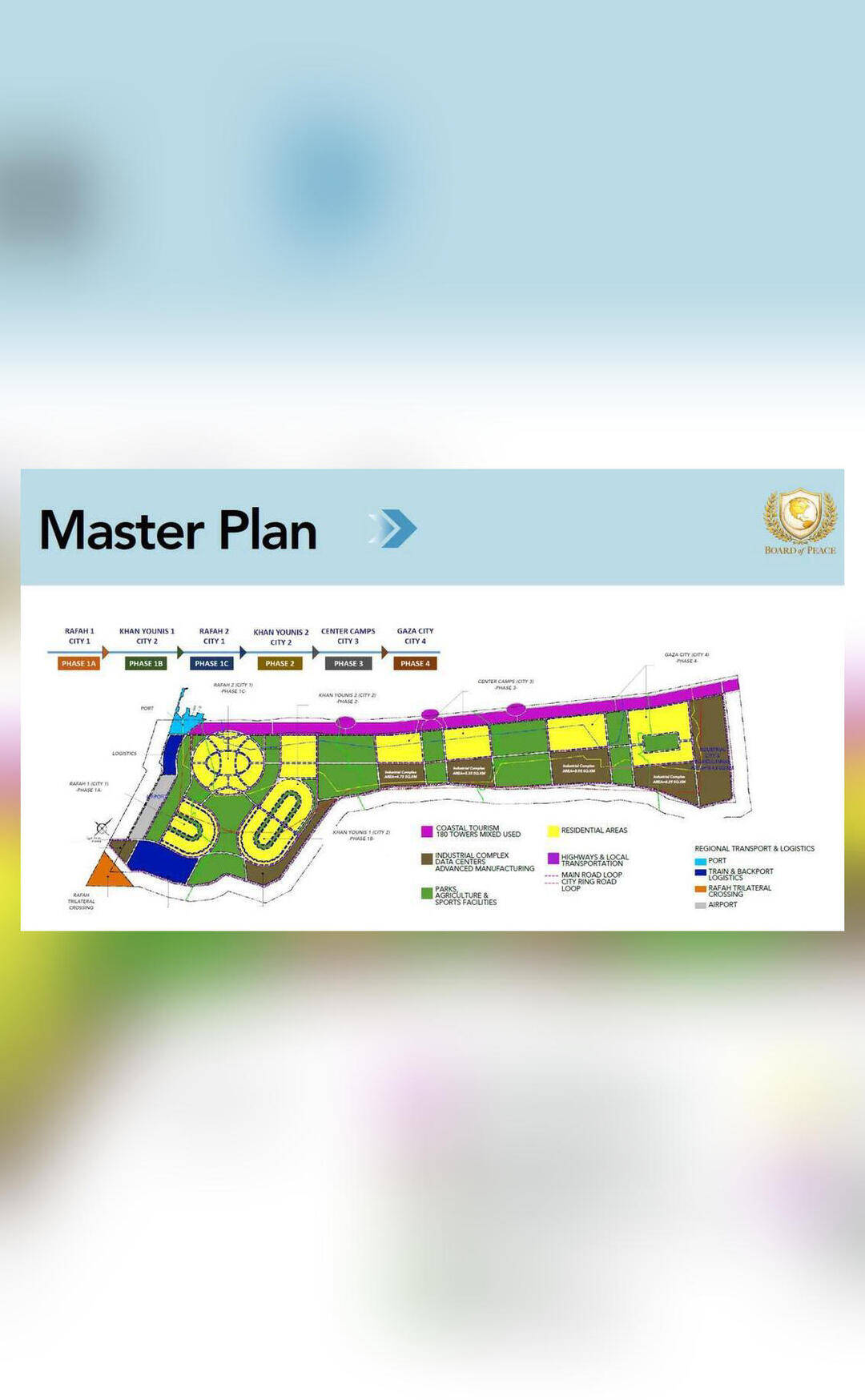
According to Kushner, the plan is designed to bring about a new era of prosperity and peace to the region. “People ask us what our plan B is…we don’t have a plan B,” he said, emphasizing the administration’s commitment to the project. The plan includes a range of ambitious projects, such as the construction of a new seaport, an airport, and a zone for ‘coastal tourism’. These initiatives are expected to create new job opportunities, stimulate economic growth, and improve the overall quality of life for the people of Gaza.
The proposed seaport is expected to be a major game-changer for the region, providing a vital trade route and connecting Gaza to the global economy. The airport, on the other hand, will facilitate the movement of people and goods, making it easier for Palestinians to travel and conduct business. The ‘coastal tourism’ zone is envisioned as a hub for recreation and leisure, showcasing the natural beauty of the Gaza coastline and attracting visitors from around the world.
In addition to these infrastructure projects, the plan also includes initiatives to promote economic development, improve living standards, and enhance the overall well-being of the Palestinian people. These efforts will focus on creating new opportunities for entrepreneurship, education, and healthcare, as well as addressing the pressing issues of poverty, unemployment, and environmental degradation.
The unveiling of the ‘New Gaza’ plan comes at a critical time, as the region continues to grapple with the challenges of conflict, instability, and economic stagnation. The Gaza Strip, in particular, has faced significant hardships, including a crippling blockade, limited access to basic services, and recurrent outbreaks of violence. The US plan aims to address these challenges head-on, providing a vision for a more prosperous, peaceful, and secure future.
However, not everyone is convinced about the merits of the plan. Some critics have raised concerns about the lack of consultation with Palestinian leaders and the potential for the plan to be used as a tool for political leverage. Others have questioned the feasibility of the proposals, given the complex web of political, economic, and social factors that shape the region.
Despite these concerns, the ‘New Gaza’ plan has sparked a renewed sense of hope and optimism among many Palestinians. For too long, the Gaza Strip has been plagued by poverty, unemployment, and a lack of opportunities. The prospect of a new seaport, airport, and tourism zone has raised the possibility of a brighter future, one in which the Palestinian people can thrive and reach their full potential.
As the international community continues to debate the merits of the ‘New Gaza’ plan, one thing is clear: the need for a comprehensive and sustainable solution to the region’s challenges has never been more pressing. The US plan may not be perfect, but it represents a significant step forward in the quest for peace, prosperity, and stability in the Middle East.
In conclusion, the unveiling of the ‘New Gaza’ plan at the World Economic Forum in Davos marks an important milestone in the pursuit of a more peaceful and prosperous future for the Palestinian people. While there are undoubtedly challenges ahead, the plan’s emphasis on economic development, infrastructure, and human well-being offers a glimmer of hope in a region that has known too much conflict and suffering. As the world watches with bated breath, one thing is certain: the fate of the ‘New Gaza’ plan will have far-reaching implications for the future of the Middle East and beyond.
About the Author