US Unveils Master Plan to Develop ‘New Gaza’
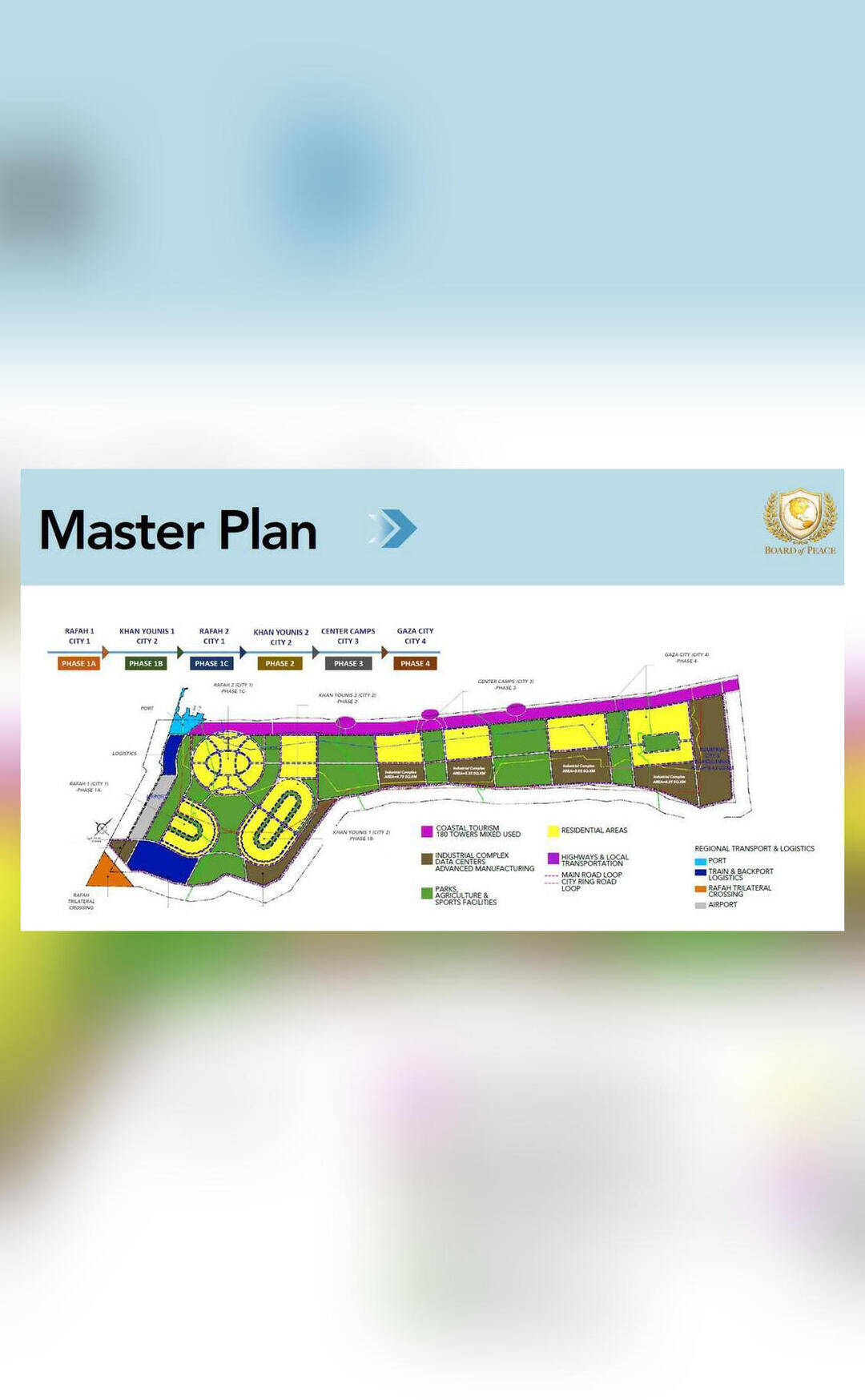
The United States has unveiled a comprehensive ‘master plan’ to develop ‘New Gaza’ at the World Economic Forum in Davos, Switzerland. The plan, which was announced by Jared Kushner, the son-in-law of former President Donald Trump, aims to transform the Gaza Strip into a thriving economic hub. The announcement has sparked a mix of reactions, with some hailing it as a positive step towards peace and prosperity, while others have raised concerns about the feasibility and potential implications of the plan.
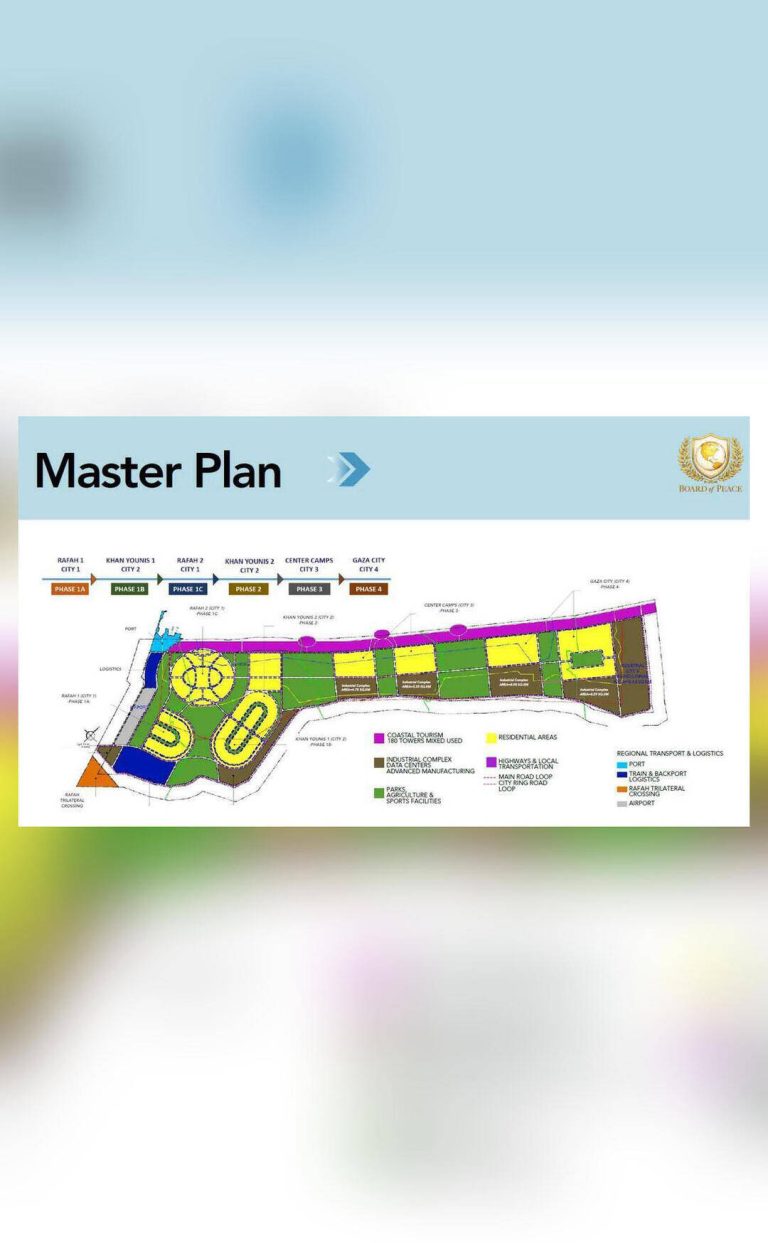
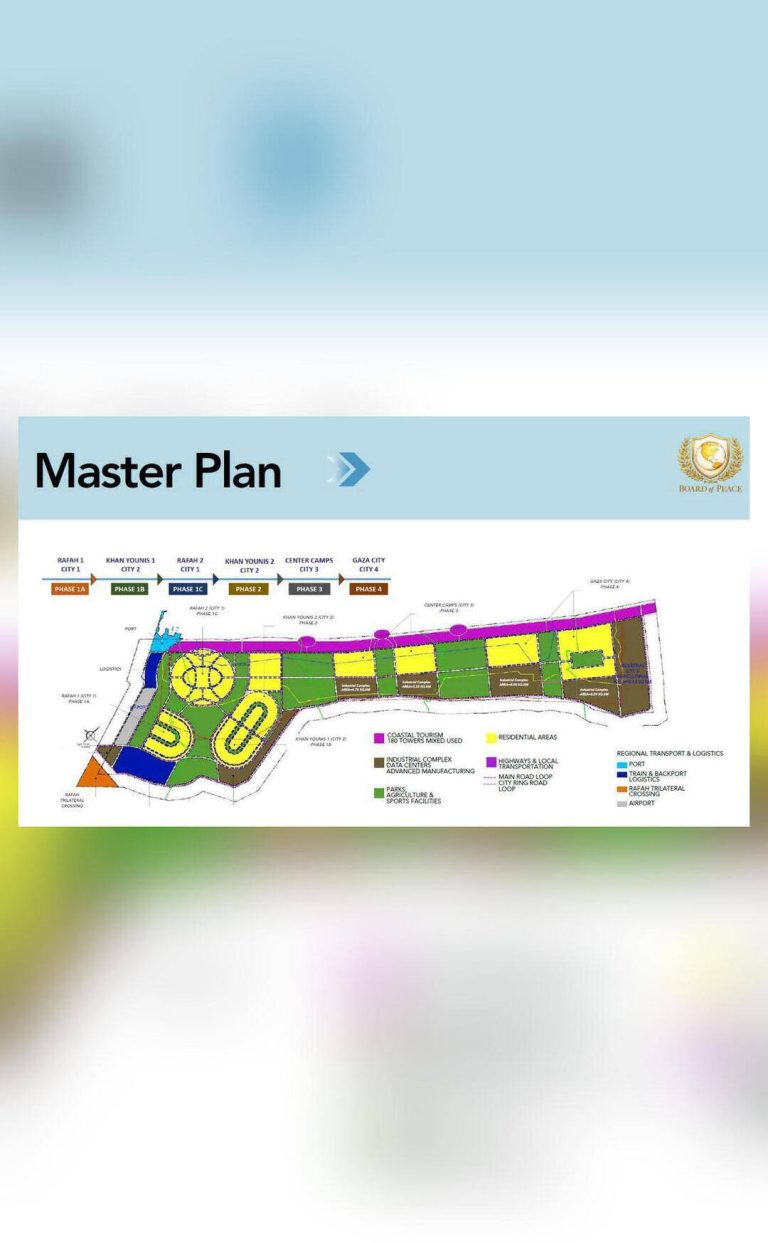
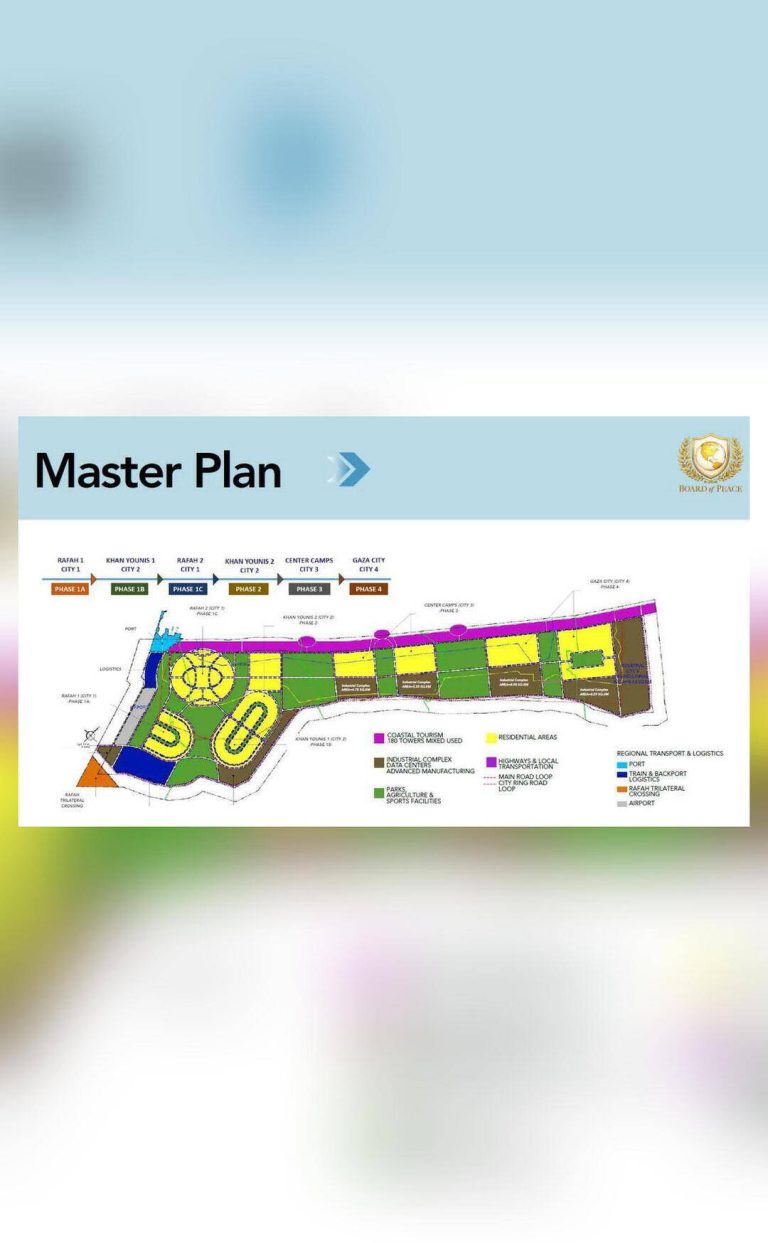
According to Kushner, the plan is a long-term vision for the development of Gaza, which has been plagued by poverty, unemployment, and conflict for decades. The plan includes a range of ambitious projects, including the construction of a new seaport, an airport, and a zone for ‘coastal tourism’. The goal is to create a vibrant economy that will provide opportunities for the people of Gaza and help to reduce the reliance on humanitarian aid.
Kushner, who has been a key figure in the Trump administration’s Middle East peace efforts, emphasized that the plan is not just a theoretical exercise, but a concrete roadmap for development. “People ask us what our plan B is…we don’t have a plan B,” he said, indicating that the US is committed to making the plan a reality.
The plan has been welcomed by some as a positive step towards promoting economic development and peace in the region. The construction of a new seaport, for example, could help to increase trade and commerce, while the development of a tourism zone could create new job opportunities for the local population. However, others have raised concerns about the potential impact of the plan on the environment and the local community.
One of the main concerns is that the plan may not adequately address the underlying issues that have contributed to the poverty and unemployment in Gaza. The strip has been under an Israeli blockade since 2007, which has severely restricted the movement of people and goods. The plan does not appear to address this issue, which has been a major obstacle to economic development in the region.
Another concern is that the plan may be overly reliant on private sector investment, which may not materialize. The plan assumes that investors will be willing to put their money into projects in Gaza, despite the risks and uncertainties associated with investing in a conflict zone. If private sector investment does not materialize, the plan may not be able to achieve its goals.
The plan has also been criticized for its lack of consultation with the Palestinian authorities. The Palestinian leadership has not been involved in the development of the plan, which has raised concerns about the legitimacy and sustainability of the initiative. The plan may be seen as an attempt to impose a solution on the Palestinian people, rather than working with them to develop a plan that meets their needs and aspirations.
Despite these concerns, the plan has been welcomed by some as a positive step towards promoting economic development and peace in the region. The US has pledged to provide significant funding for the plan, which could help to jumpstart economic growth and development in Gaza. The plan may also help to create a sense of hope and optimism among the Palestinian people, who have been living under difficult conditions for many years.
In conclusion, the US plan to develop ‘New Gaza’ is a complex and ambitious initiative that has the potential to transform the economy and living standards of the Palestinian people. While there are concerns about the feasibility and potential implications of the plan, it is a positive step towards promoting economic development and peace in the region. The success of the plan will depend on a range of factors, including the level of investment, the involvement of the Palestinian authorities, and the ability to address the underlying issues that have contributed to poverty and unemployment in Gaza.
As the plan moves forward, it will be important to monitor its progress and assess its impact on the people of Gaza. The international community will be watching with interest to see whether the plan can achieve its goals and help to create a more prosperous and peaceful future for the Palestinian people.
The announcement of the plan comes at a time of heightened tensions in the region, with Israeli fire killing five Palestinians in the Gaza Strip. The incident highlights the ongoing challenges and risks associated with investing in the region, and the need for a comprehensive and sustainable solution to the conflict.
The US plan to develop ‘New Gaza’ is a significant development that has the potential to shape the future of the region. As the plan moves forward, it will be important to consider the perspectives and concerns of all parties involved, and to work towards a solution that promotes peace, prosperity, and stability for all.
About the Author