US Unveils Master Plan to Develop ‘New Gaza’
The world witnessed a significant development in the Middle East peace process on Thursday as the United States unveiled a comprehensive ‘master plan’ to develop ‘New Gaza’ at the World Economic Forum in Davos. The plan, which includes a wide range of infrastructure projects, aims to transform the Gaza Strip into a thriving economic hub. Unveiling the plan, Jared Kushner, son-in-law of former US President Donald Trump and a key advisor on Middle East affairs, expressed his confidence in the success of the initiative.
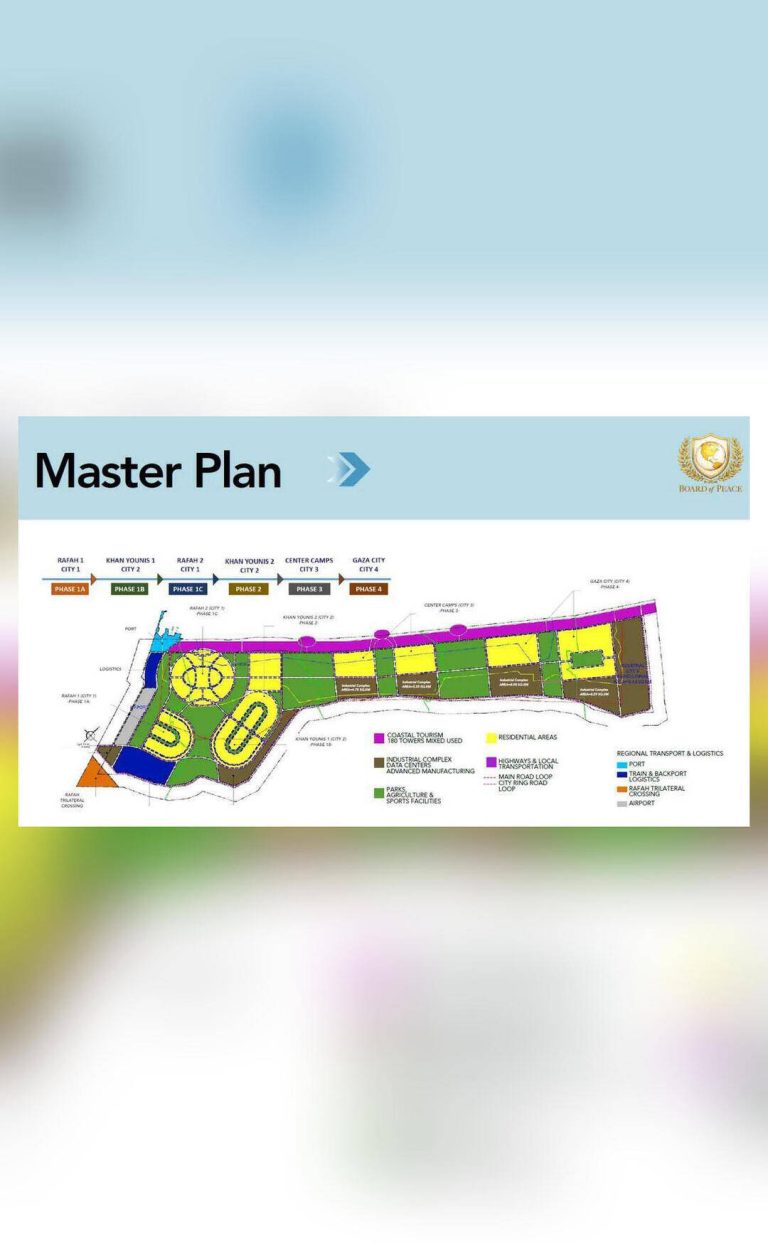
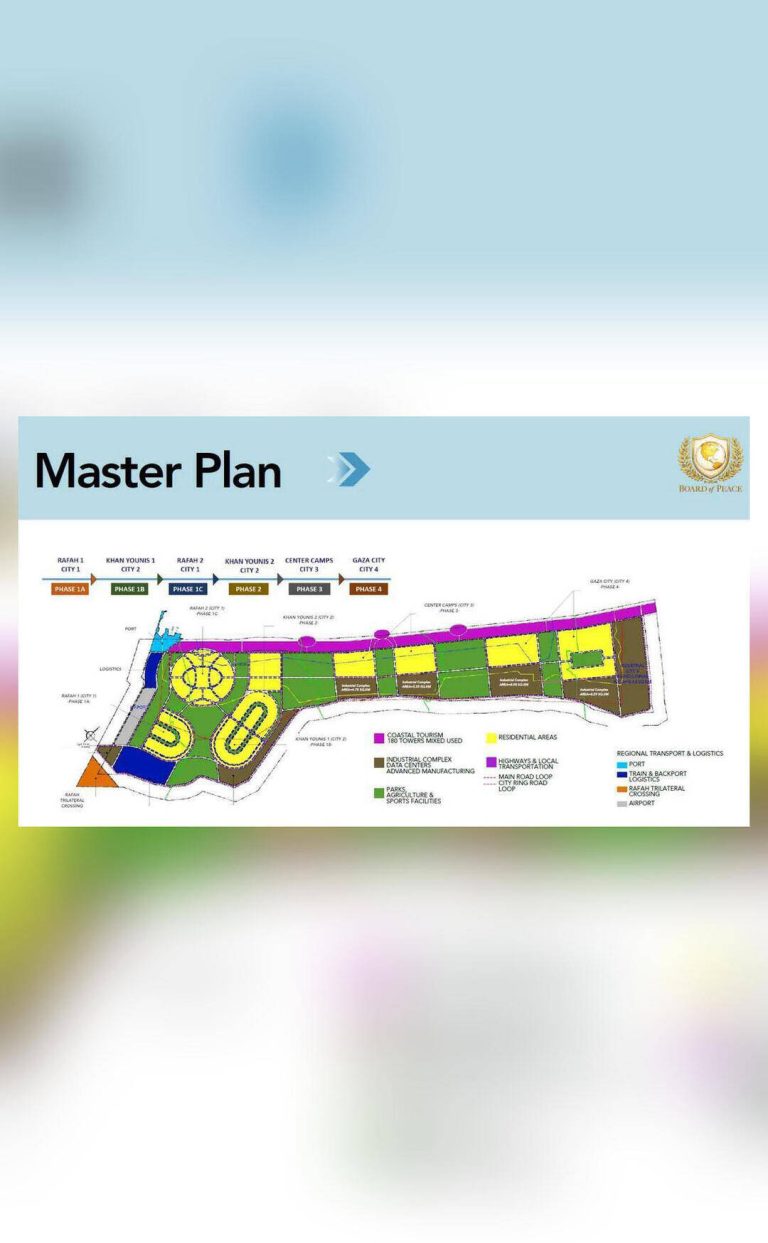
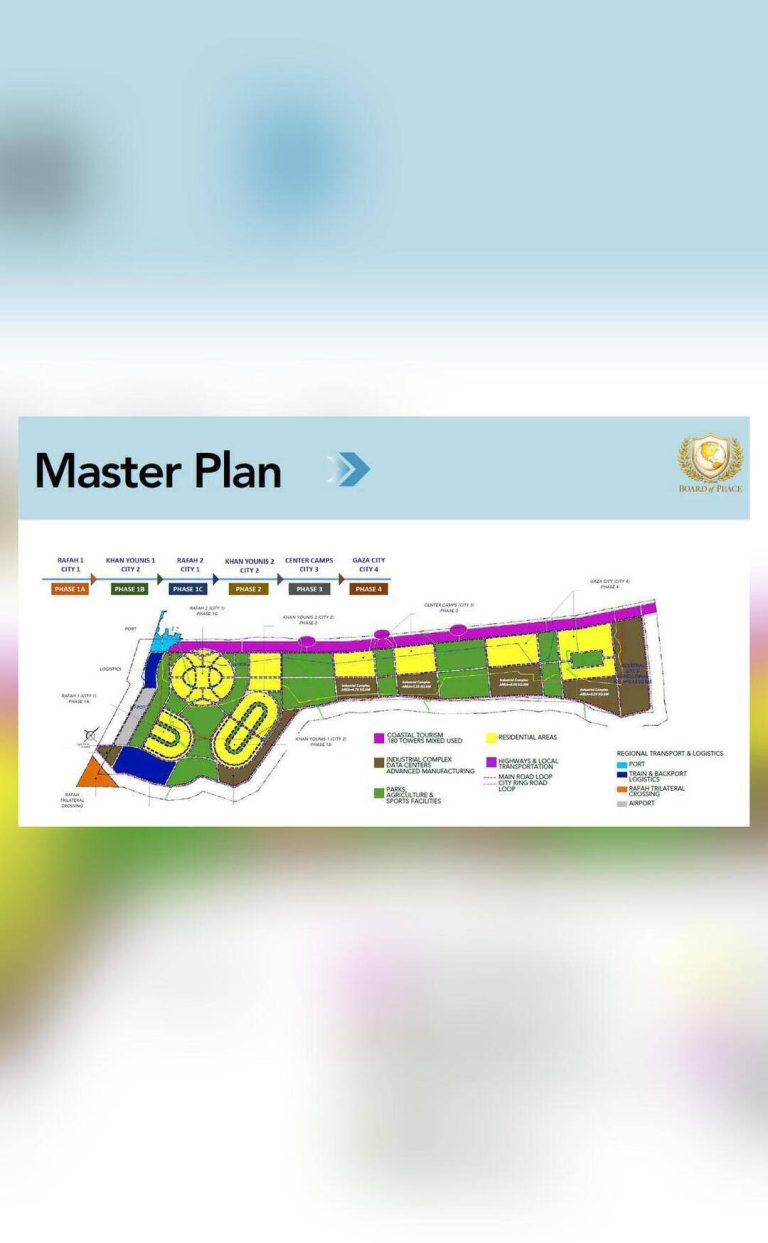
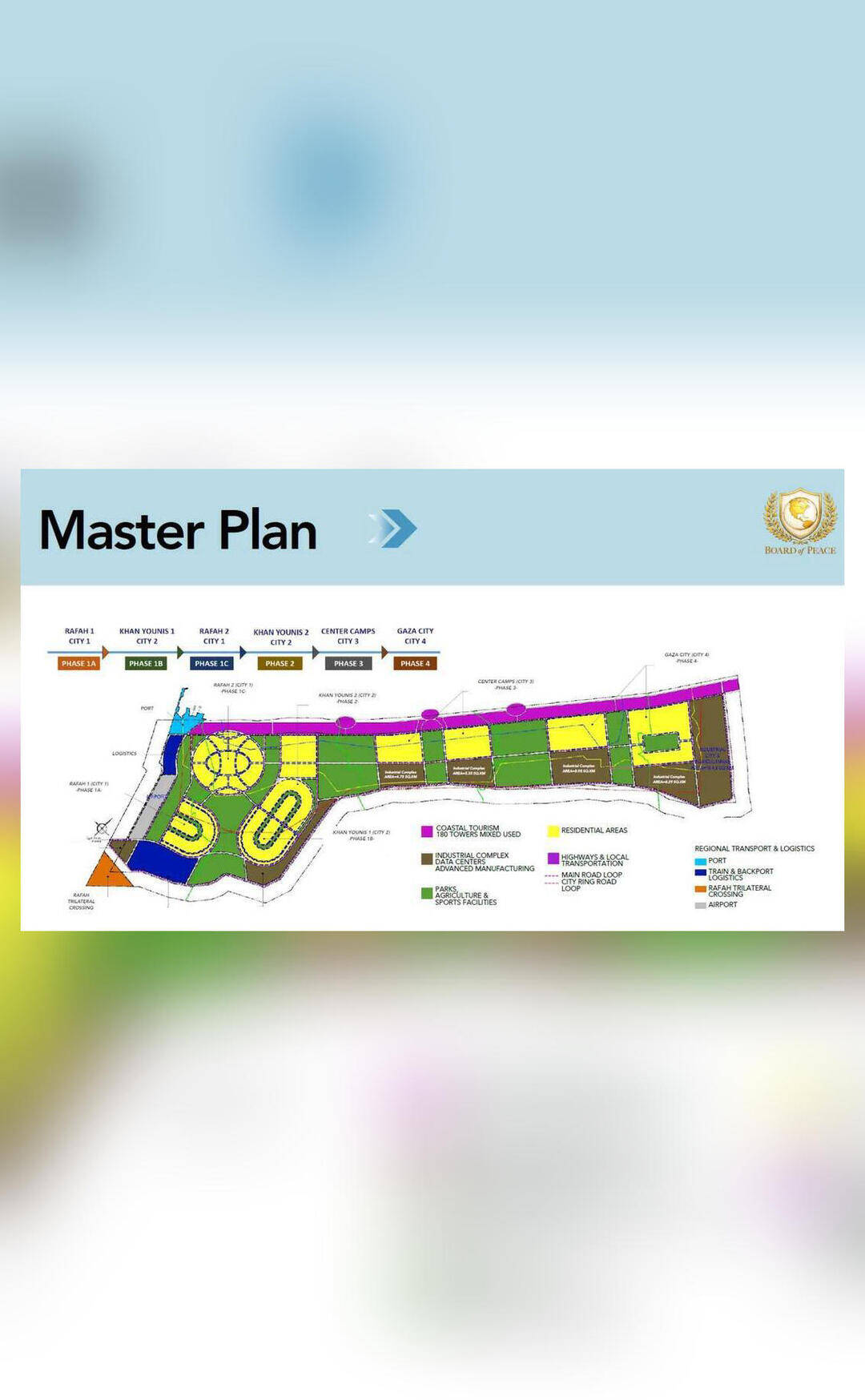
“People ask us what our plan B is…we don’t have a plan B,” Kushner said, emphasizing the administration’s commitment to the project. The plan includes a new seaport, an airport, and a zone for ‘coastal tourism’, among other things. The proposed development is expected to create thousands of jobs, stimulate economic growth, and improve the overall quality of life for the people of Gaza.
The ‘New Gaza’ plan is a part of a broader effort by the US to promote peace and stability in the Middle East. The region has been plagued by conflict and instability for decades, and the Gaza Strip has been one of the most affected areas. The Strip has been under an Israeli blockade since 2007, which has severely limited the movement of people and goods, leading to widespread poverty and unemployment.
The US plan aims to address these challenges by creating new economic opportunities and improving the infrastructure in the region. The proposed seaport, for example, would provide a vital outlet for Gaza’s economy, allowing for the export of goods and the import of essential supplies. The airport would facilitate travel and commerce, while the coastal tourism zone would attract visitors and create new jobs in the hospitality sector.
The plan also includes proposals for the development of industrial zones, agricultural projects, and renewable energy initiatives. These projects would not only create new economic opportunities but also help to reduce Gaza’s dependence on external aid. The US has pledged to work with international partners to secure funding for the project, which is expected to cost billions of dollars.
While the ‘New Gaza’ plan has been welcomed by some as a positive development, others have expressed skepticism about its feasibility. Some critics have pointed out that the plan does not address the underlying political issues that have contributed to the conflict in the region. The Israeli-Palestinian conflict is a deeply complex and sensitive issue, and any solution will require a comprehensive and inclusive approach.
Furthermore, the plan has been unveiled at a time when tensions in the region are running high. On the same day that the plan was announced, Israeli fire killed five Palestinians in the Gaza Strip, highlighting the ongoing violence and instability in the region. The incident serves as a reminder of the significant challenges that must be overcome if the ‘New Gaza’ plan is to succeed.
Despite these challenges, the US remains committed to the project, and officials have expressed optimism about its potential to drive economic growth and promote peace in the region. The ‘New Gaza’ plan is a significant development in the Middle East peace process, and its success or failure will have far-reaching implications for the region.
As the international community waits with bated breath to see how the plan unfolds, one thing is clear: the development of ‘New Gaza’ has the potential to be a game-changer for the Middle East. If successful, the plan could create a new era of peace and prosperity in the region, and serve as a model for other conflict-affected areas around the world.
In conclusion, the US unveiling of the ‘New Gaza’ plan is a significant development that has the potential to transform the Middle East. While there are challenges to be overcome, the plan offers a vision of a brighter future for the people of Gaza and the wider region. As the international community watches with interest, one thing is clear: the success or failure of the ‘New Gaza’ plan will have far-reaching implications for the Middle East and beyond.
About the Author