US Unveils Master Plan to Develop ‘New Gaza’
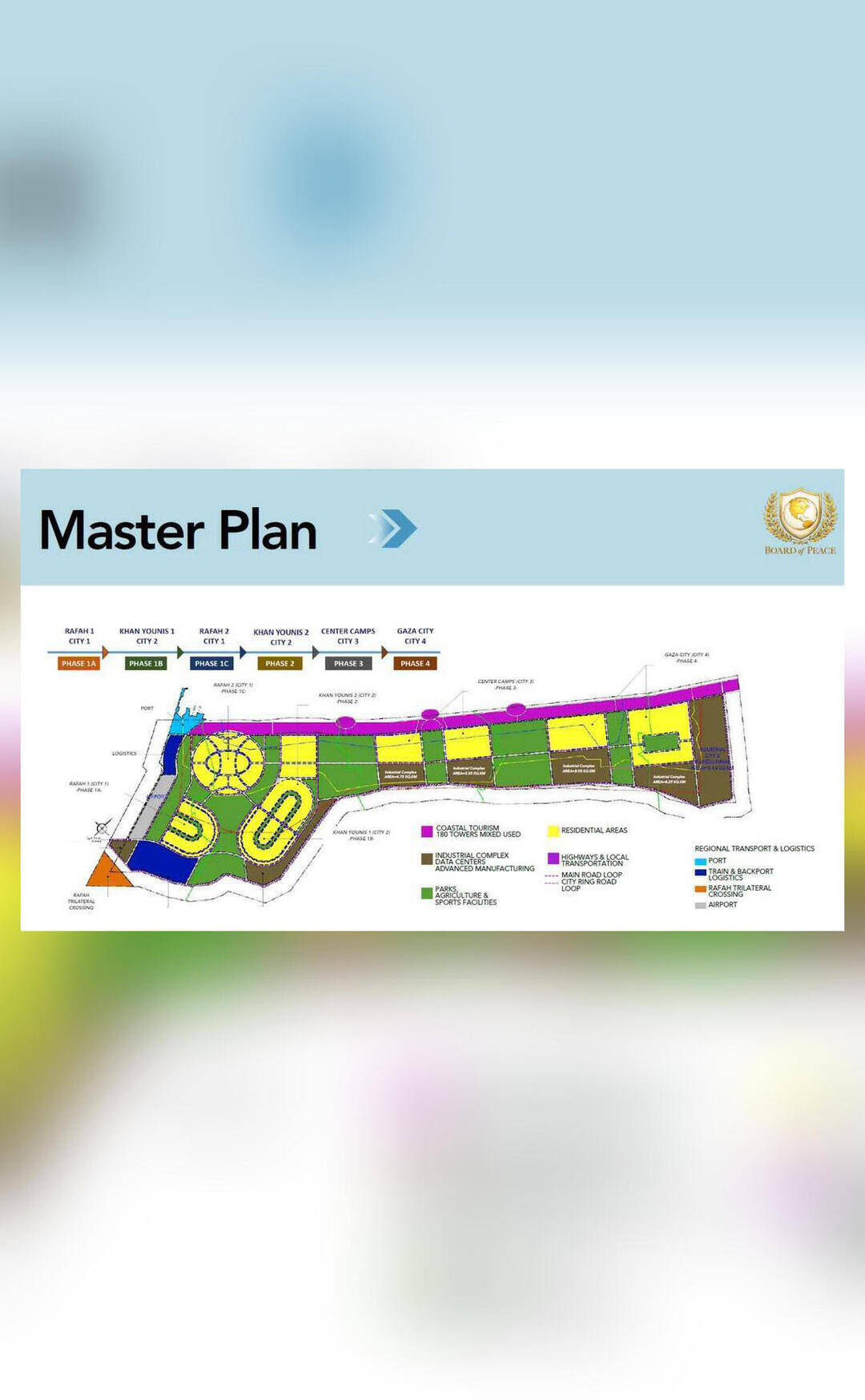
In a highly anticipated announcement, the United States unveiled a comprehensive “master plan” to develop a region dubbed ‘New Gaza’ at the World Economic Forum in Davos, Switzerland on Thursday. The plan, presented by Jared Kushner, son-in-law of former US President Donald Trump, aims to transform the area into a thriving economic hub, replete with modern infrastructure and amenities. According to Kushner, the plan is the culmination of years of effort and negotiation, and the US is fully committed to seeing it through to fruition.
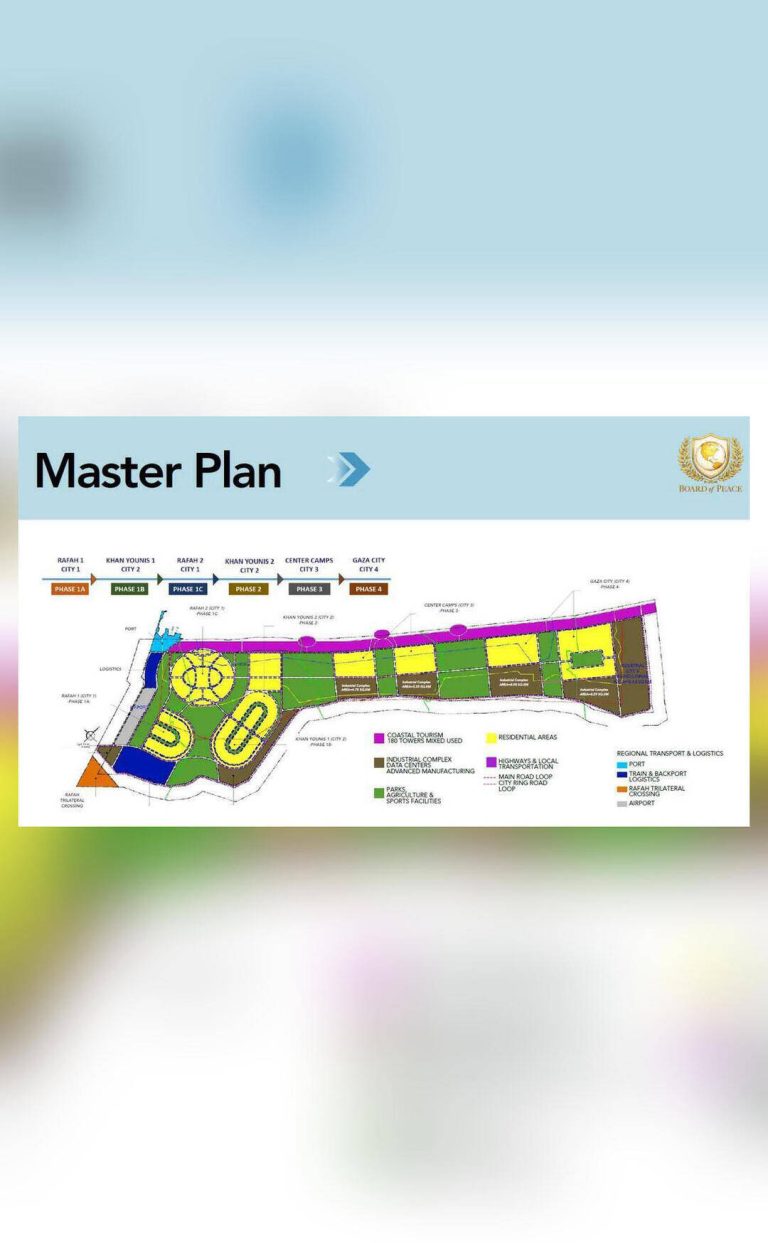
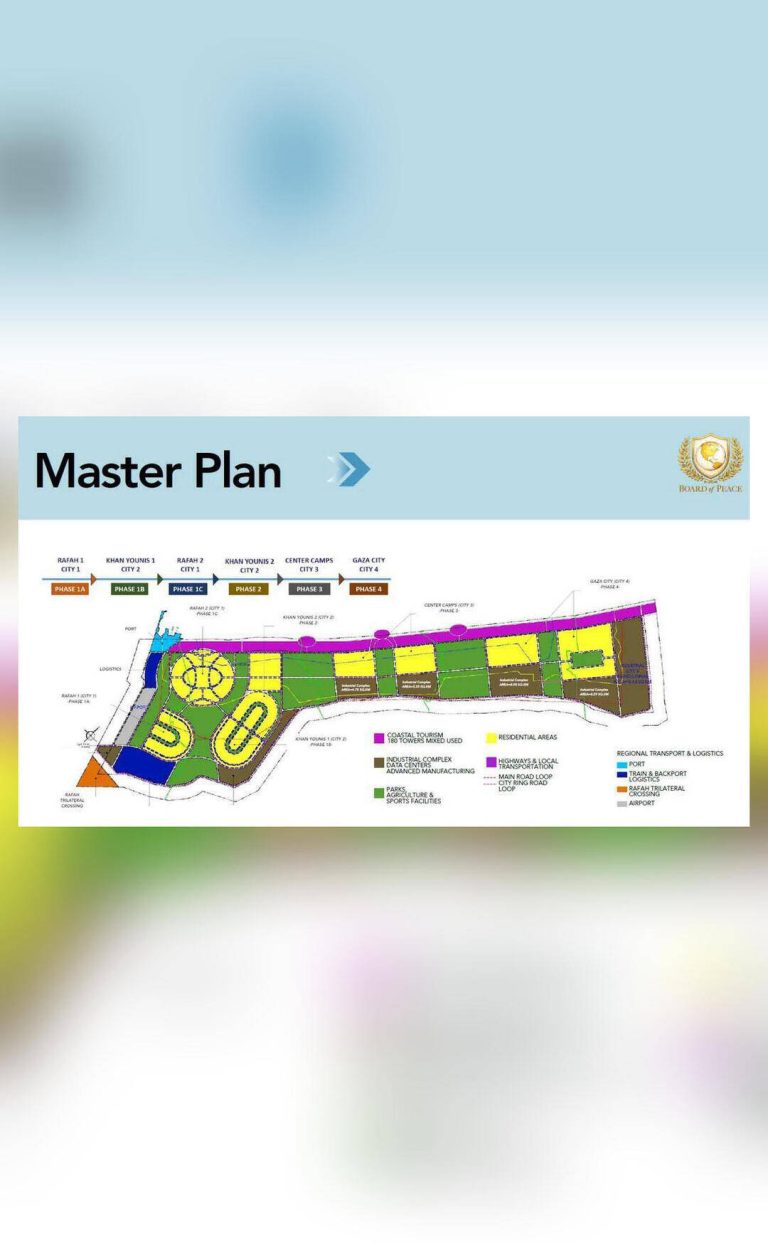
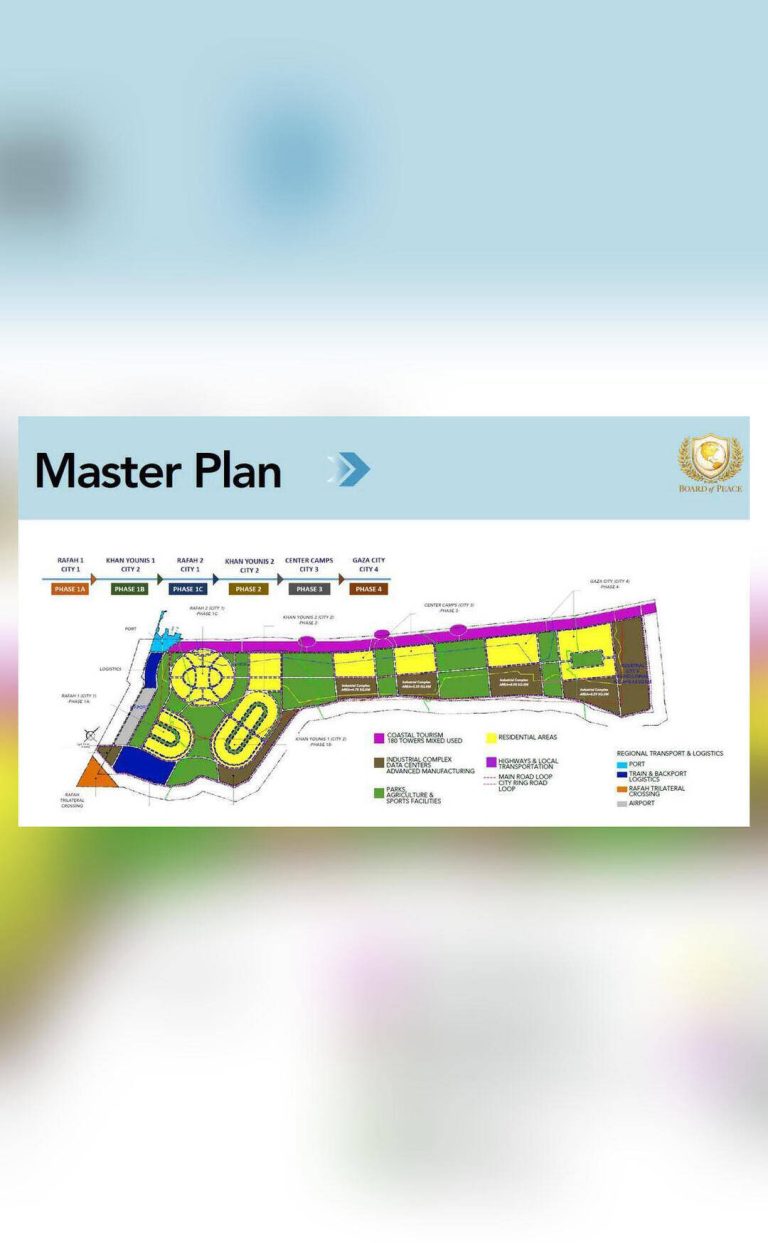
“People ask us what our plan B is…we don’t have a plan B,” Kushner declared, emphasizing the US’s unwavering dedication to the project. The plan includes a range of ambitious initiatives, such as the construction of a new seaport, an airport, and a designated zone for ‘coastal tourism’. These developments are expected to create thousands of jobs, stimulate economic growth, and improve the overall quality of life for residents in the region.
The proposed seaport is envisioned as a state-of-the-art facility, capable of handling large volumes of cargo and facilitating trade with neighboring countries. The airport, meanwhile, will provide a convenient and efficient means of transportation, connecting ‘New Gaza’ to major cities around the world. The coastal tourism zone is expected to become a popular destination, offering a unique blend of natural beauty, rich cultural heritage, and modern amenities.
In addition to these flagship projects, the master plan also includes provisions for the development of industrial zones, commercial centers, and residential areas. The US has pledged to work closely with local stakeholders, including government officials, business leaders, and community representatives, to ensure that the plan is tailored to meet the specific needs and aspirations of the region.
The unveiling of the ‘New Gaza’ plan comes at a time of heightened tensions in the region, with Israeli forces recently killing five Palestinians in a series of incidents. Despite these challenges, the US remains committed to pushing forward with the development plan, which is seen as a key component of its broader strategy for promoting peace and stability in the Middle East.
While some have expressed skepticism about the feasibility of the plan, given the complex geopolitical dynamics at play, others have welcomed the initiative as a positive step towards addressing the region’s deep-seated economic and social challenges. As one analyst noted, “The development of ‘New Gaza’ has the potential to be a game-changer for the region, providing a much-needed boost to the local economy and helping to create new opportunities for residents.”
However, others have raised concerns about the potential environmental and social impacts of the plan, particularly with regards to the proposed coastal tourism zone. “We need to ensure that the development of ‘New Gaza’ is sustainable and responsible, and that it does not come at the expense of the region’s natural beauty and cultural heritage,” said a local environmental activist.
As the ‘New Gaza’ plan moves forward, it will be important to carefully balance the need for economic development with the need to protect the region’s fragile ecosystem and preserve its unique cultural identity. The US and its partners will need to work closely with local stakeholders to address these concerns and ensure that the plan is implemented in a way that benefits all members of the community.
In conclusion, the unveiling of the ‘New Gaza’ master plan represents a significant milestone in the region’s development, and has the potential to bring about positive change and economic growth. While there are certainly challenges to be addressed, the US’s commitment to the plan is a welcome step towards promoting peace and stability in the Middle East.
About the Author