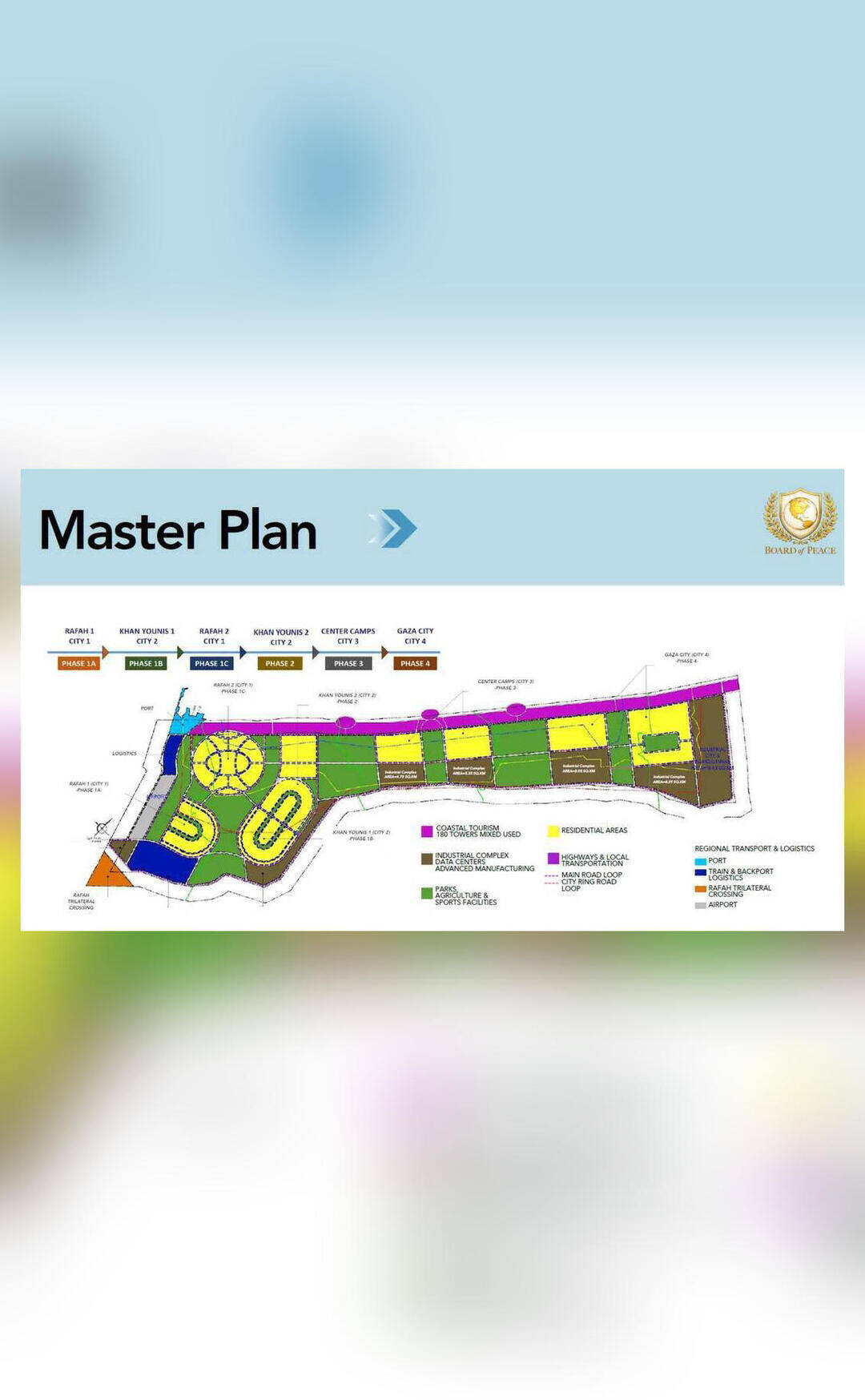
US Unveils Master Plan to Develop ‘New Gaza’
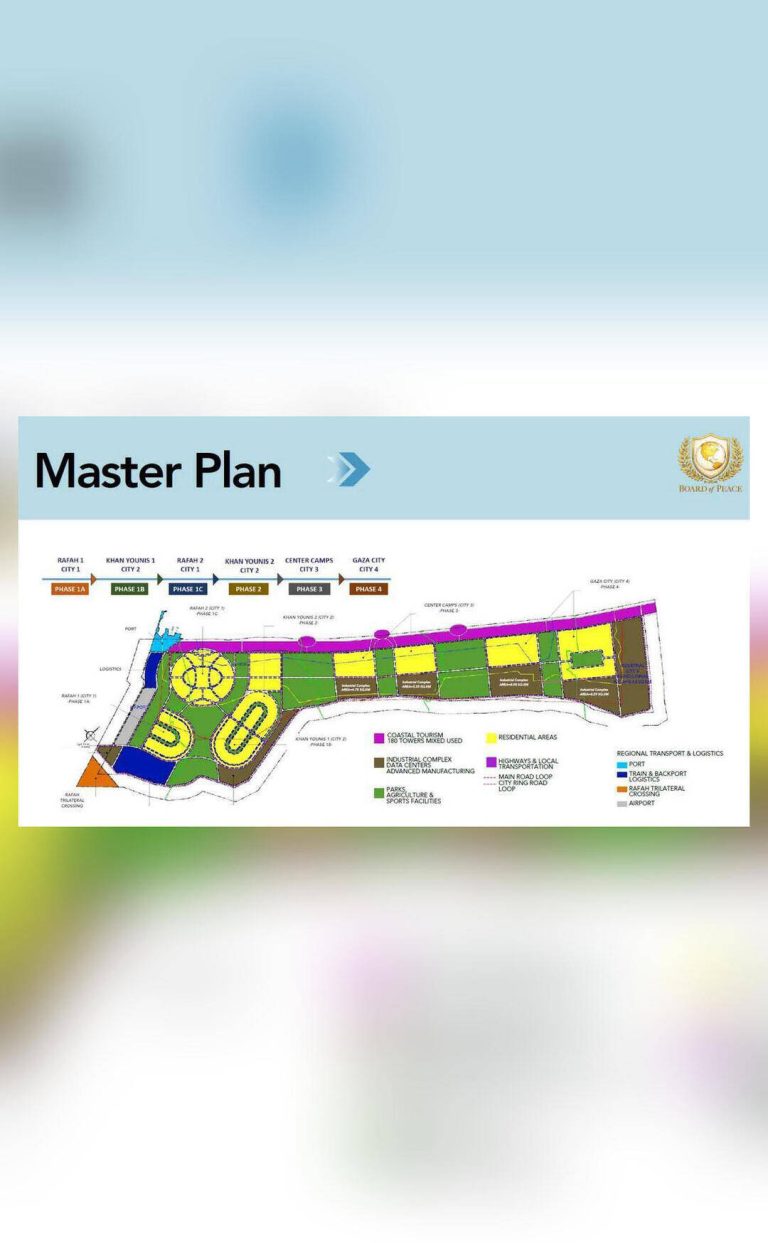
In a significant move, the United States has unveiled a comprehensive ‘master plan’ to develop ‘New Gaza’ at the World Economic Forum in Davos on Thursday. The plan, which was unveiled by Jared Kushner, the son-in-law of former US President Donald Trump, aims to transform the Gaza Strip into a thriving economic hub. The announcement comes at a time when the region is plagued by conflict and economic stagnation.
According to Kushner, the plan is designed to bring peace and prosperity to the region, and it includes a range of ambitious projects. “People ask us what our plan B is…we don’t have a plan B,” Kushner said, emphasizing the US administration’s commitment to the plan. The plan includes the construction of a new seaport, an airport, and a zone for ‘coastal tourism’, among other things.
The proposed seaport is expected to be a major economic driver for the region, providing a vital transportation link for goods and people. The airport will also play a crucial role in facilitating travel and trade, and it is expected to become a major hub for the region. The ‘coastal tourism’ zone is designed to capitalize on the region’s natural beauty, with a range of hotels, resorts, and recreational facilities.
In addition to these major infrastructure projects, the plan also includes a range of other initiatives designed to promote economic development and improve the quality of life for residents of the Gaza Strip. These include investments in education, healthcare, and infrastructure, as well as programs to support entrepreneurship and job creation.
The US administration believes that the plan has the potential to transform the Gaza Strip into a thriving economic hub, and to bring peace and prosperity to the region. However, the plan has already faced criticism from some quarters, with some arguing that it does not address the underlying issues that have driven the conflict in the region.
Despite these criticisms, the US administration remains committed to the plan, and it is expected to move forward with implementation in the coming months. The plan is seen as a key part of the US administration’s broader strategy for the Middle East, and it is expected to have significant implications for the region.
The Gaza Strip has long been one of the most impoverished and densely populated places on earth, with high levels of unemployment and poverty. The region has also been plagued by conflict, with frequent clashes between Israeli forces and Palestinian militants.
The US plan is designed to address these challenges, and to provide a brighter future for the people of Gaza. However, it remains to be seen whether the plan will be successful, and whether it will be able to bring lasting peace and prosperity to the region.
In the meantime, the situation on the ground remains tense, with Israeli forces and Palestinian militants continuing to clash. On the same day that the US unveiled its plan, Israeli fire killed five Palestinians in the Gaza Strip, highlighting the ongoing violence and instability in the region.
The US plan is a major development in the ongoing saga of the Middle East peace process, and it is expected to have significant implications for the region. As the plan moves forward, it will be closely watched by governments, analysts, and observers around the world.
In conclusion, the US unveiling of a master plan to develop ‘New Gaza’ is a significant move that has the potential to transform the region. The plan includes a range of ambitious projects, including a new seaport, an airport, and a zone for ‘coastal tourism’. While the plan has already faced criticism, the US administration remains committed to it, and it is expected to move forward with implementation in the coming months.
As the situation in the Middle East continues to evolve, it remains to be seen whether the US plan will be successful, and whether it will be able to bring lasting peace and prosperity to the region. One thing is certain, however: the US plan is a major development that will have significant implications for the Middle East, and it will be closely watched by governments, analysts, and observers around the world.
About the Author