US releases list of ‘worst of worst’ criminals, 89 Indians on it
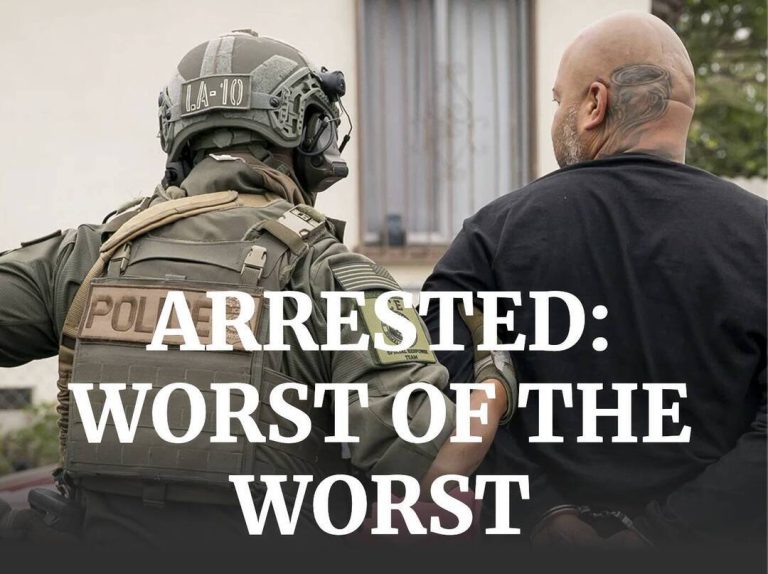
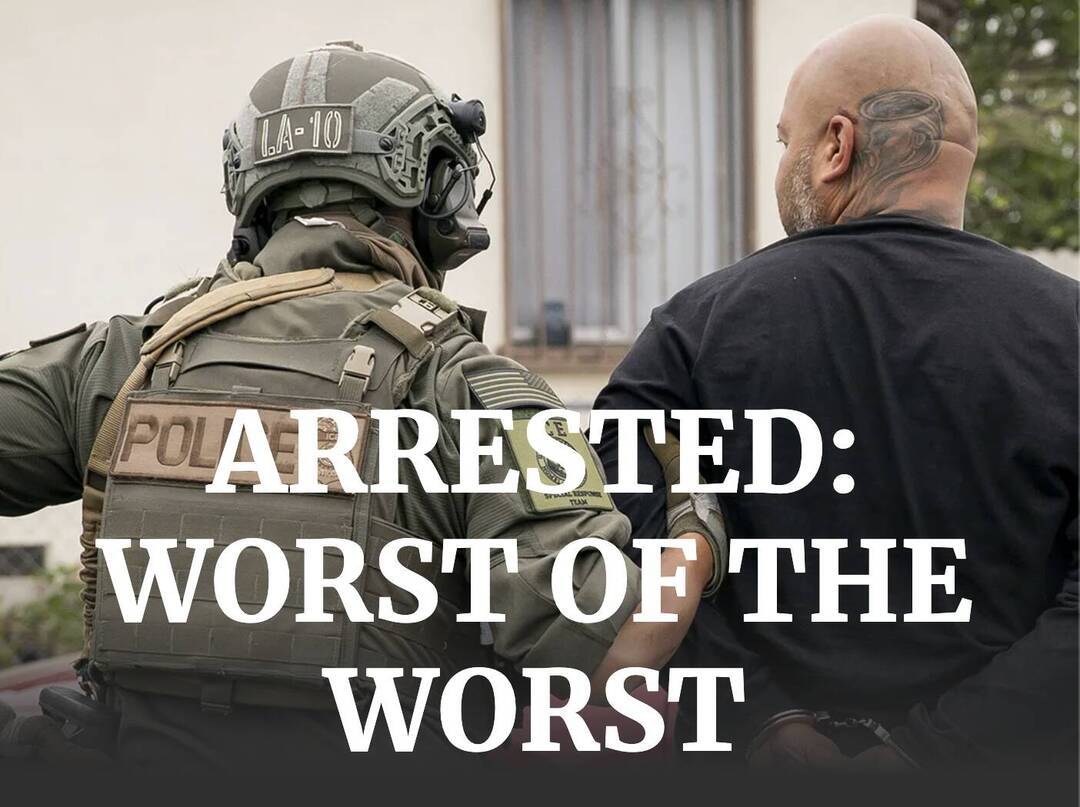
In a recent move, the US Department of Homeland Security (DHS) has released a public database of “worst of the worst criminal illegal aliens” arrested during the second Trump administration. This database, which contains the names of over 25,000 individuals, has sparked widespread attention and debate. Out of these 25,000 individuals, 89 are Indian nationals who have been arrested for various criminal offenses. The release of this database has been met with a mix of reactions, with some praising the move as a necessary step towards ensuring public safety, while others have raised concerns about the implications of such a database.
According to the DHS, the database includes individuals who have been arrested for a range of crimes, including violent offenses such as murder, rape, and assault, as well as non-violent offenses like theft and fraud. The list also includes individuals who have been convicted of multiple crimes, and those who have been previously deported and have re-entered the country illegally. The DHS has stated that the purpose of the database is to provide transparency and accountability, and to ensure that the public is aware of the actions being taken to protect national security and public safety.
The inclusion of 89 Indian nationals on this list has raised concerns among the Indian community in the US. Many have expressed shock and disappointment that so many individuals from their community have been involved in criminal activities. Others have raised questions about the circumstances that may have led these individuals to engage in such behavior, and whether they had access to adequate support and resources to prevent them from turning to crime.
The DHS has emphasized that the database is not intended to target any particular community or nationality, but rather to identify and track individuals who pose a threat to public safety. “Americans should not be victimised by people who aren’t even legally allowed to inhabit our nation,” the DHS said in a statement. This statement has been seen by some as a reflection of the Trump administration’s tough stance on immigration, and its commitment to enforcing laws and protecting national security.
The release of this database has also sparked a debate about the effectiveness of current immigration policies and the need for reform. Some argue that the database highlights the need for stricter border control and more effective enforcement of immigration laws, while others argue that it is a symptom of a broader problem – the lack of a clear and fair pathway to citizenship for undocumented immigrants.
Furthermore, the database has raised concerns about the potential for racial profiling and discrimination. Some critics argue that the database may disproportionately target certain communities, and that it may be used as a tool for discriminatory practices. Others have raised questions about the accuracy and reliability of the data, and whether it may include individuals who have been wrongly accused or mistakenly identified.
In response to these concerns, the DHS has emphasized that the database is based on credible intelligence and evidence, and that it is subject to regular review and update. The agency has also stated that it is committed to ensuring that the database is used in a fair and impartial manner, and that it does not target any particular community or nationality.
In conclusion, the release of the “worst of the worst” criminal illegal aliens database by the US Department of Homeland Security has sparked a heated debate about immigration, national security, and public safety. The inclusion of 89 Indian nationals on this list has raised concerns among the Indian community, and has highlighted the need for a more nuanced and comprehensive approach to addressing the complex issues surrounding immigration. As the US continues to grapple with these challenges, it is essential that policymakers and stakeholders work together to find solutions that balance the need for national security and public safety with the need for fairness, justice, and compassion.
About the Author