US releases list of ‘worst of worst’ criminals, 89 Indians on it
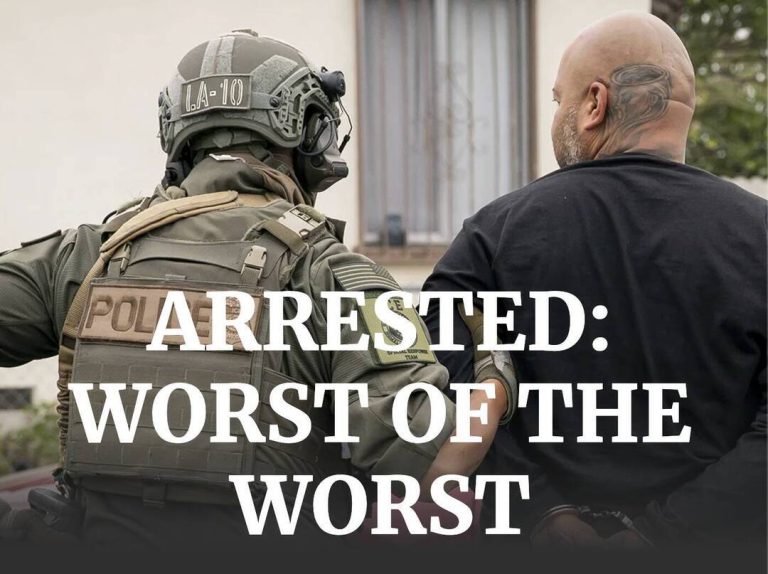
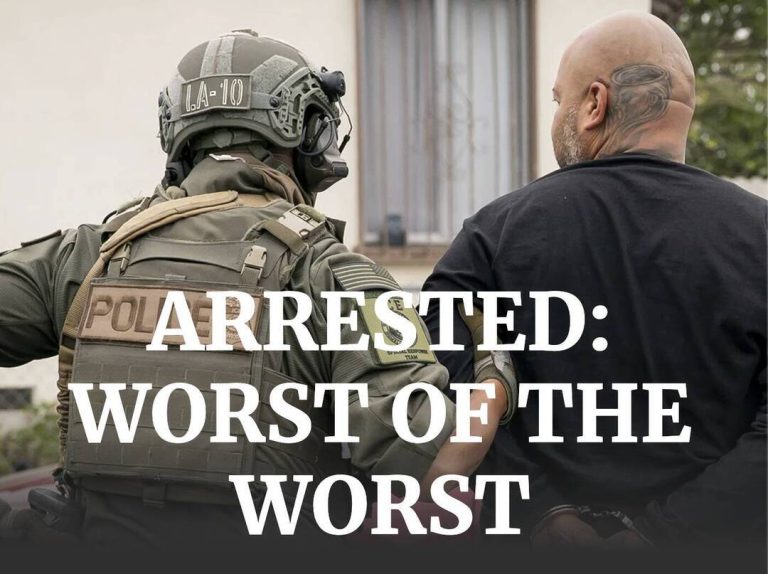
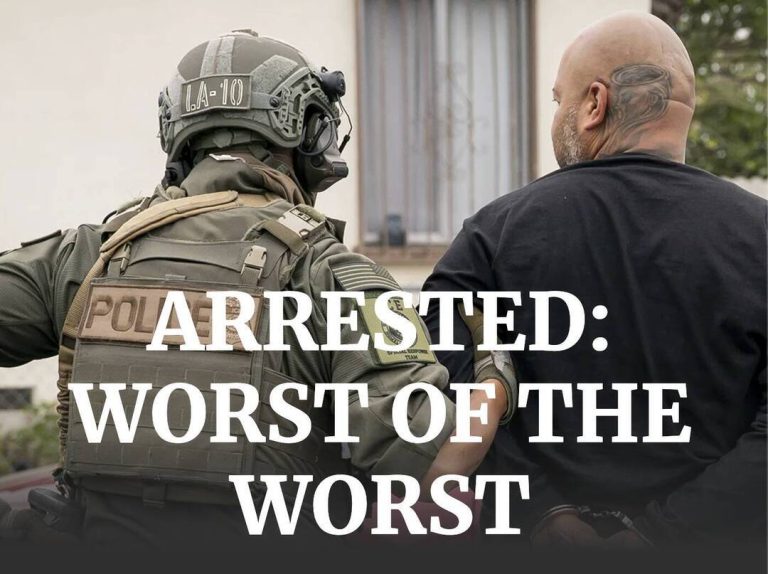
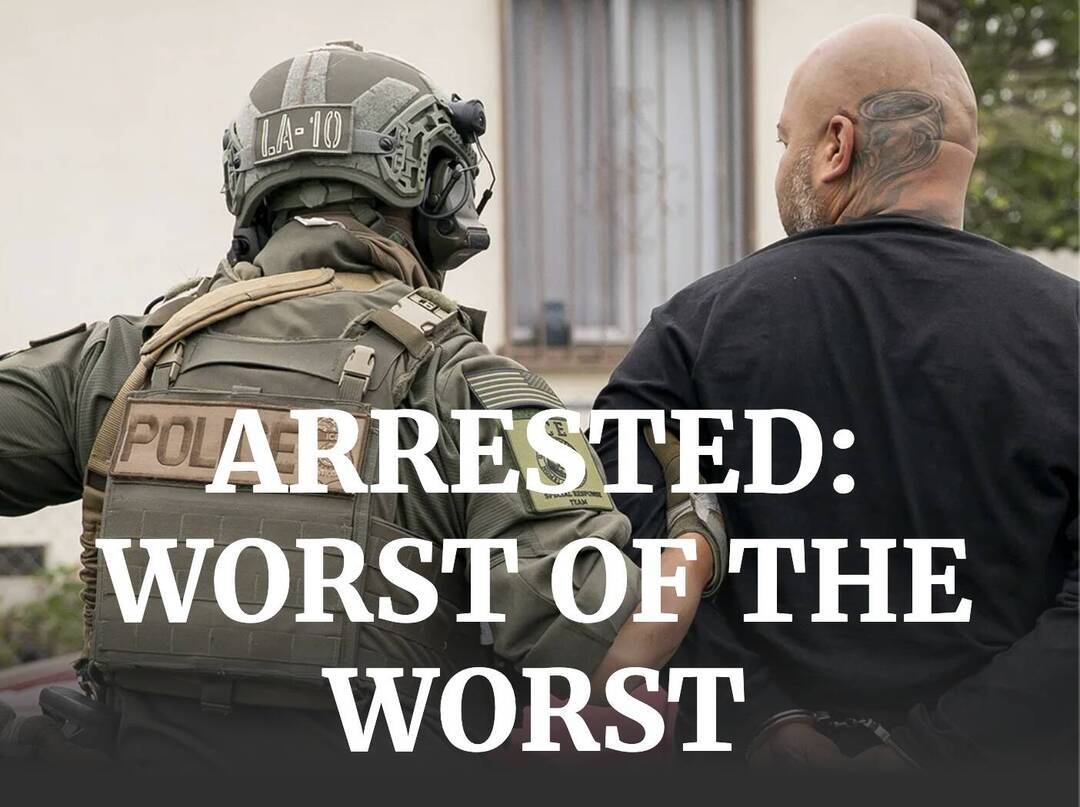
The United States Department of Homeland Security (DHS) has taken a significant step in its efforts to crack down on illegal immigration and crime. In a recent move, the DHS has released a public database of “worst of the worst criminal illegal aliens” who were arrested during the second Trump administration. The list, which comprises over 25,000 individuals, includes 89 Indian nationals who have been arrested for various criminal offenses. This move is seen as a part of the US government’s efforts to prioritize the safety and security of its citizens, and to ensure that those who are in the country illegally do not pose a threat to the community.
According to the DHS, the list includes individuals who have been arrested for a range of crimes, including homicide, rape, kidnapping, and assault. The database also includes information on the nationality, age, and sex of the individuals, as well as the nature of the crime they were arrested for. The release of this list is seen as a significant step towards transparency and accountability, and is intended to provide the public with a clearer understanding of the scope of the problem of illegal immigration and crime in the US.
The inclusion of 89 Indian nationals on the list is a significant concern for the Indian community, both in the US and back home. Many of these individuals are likely to be facing deportation proceedings, and may be separated from their families and loved ones as a result. The Indian government has not yet commented on the release of the list, but it is likely that diplomatic efforts will be made to ensure that the rights of Indian nationals are protected and that they are treated fairly and humanely.
The release of the list has sparked a heated debate on the issue of illegal immigration and crime in the US. While some have welcomed the move as a necessary step towards ensuring public safety, others have criticized it as a divisive and xenophobic measure. The DHS has defended the release of the list, saying that “Americans should not be victimised by people who aren’t even legally allowed to inhabit our nation.” This statement reflects the Trump administration’s tough stance on immigration, and its commitment to prioritizing the safety and security of US citizens.
The issue of illegal immigration is a complex and contentious one, and there are no easy solutions. However, it is clear that the US government is committed to taking a tough stance on the issue, and to ensuring that those who are in the country illegally do not pose a threat to the community. The release of the list of “worst of the worst” criminals is just one part of this effort, and it is likely that we will see further measures in the coming months and years.
In the meantime, the Indian community in the US is likely to be on high alert, as many individuals and families may be affected by the release of the list. It is essential that those who are affected receive the support and assistance they need, and that their rights are protected throughout the process. The Indian government must also play a proactive role in ensuring that the rights of its citizens are protected, and that they are treated fairly and humanely.
The release of the list of “worst of the worst” criminals is a significant development in the ongoing debate on immigration and crime in the US. While it is a complex and contentious issue, it is clear that the US government is committed to taking a tough stance on the issue, and to prioritizing the safety and security of its citizens. As the situation continues to unfold, it is essential that we remain informed and engaged, and that we work towards finding solutions that are fair, humane, and effective.
In conclusion, the release of the list of “worst of the worst” criminals by the US Department of Homeland Security is a significant development that highlights the complex and contentious issue of illegal immigration and crime in the US. The inclusion of 89 Indian nationals on the list is a concern for the Indian community, and it is essential that their rights are protected and that they are treated fairly and humanely. As the situation continues to unfold, it is essential that we remain informed and engaged, and that we work towards finding solutions that are fair, humane, and effective.
About the Author