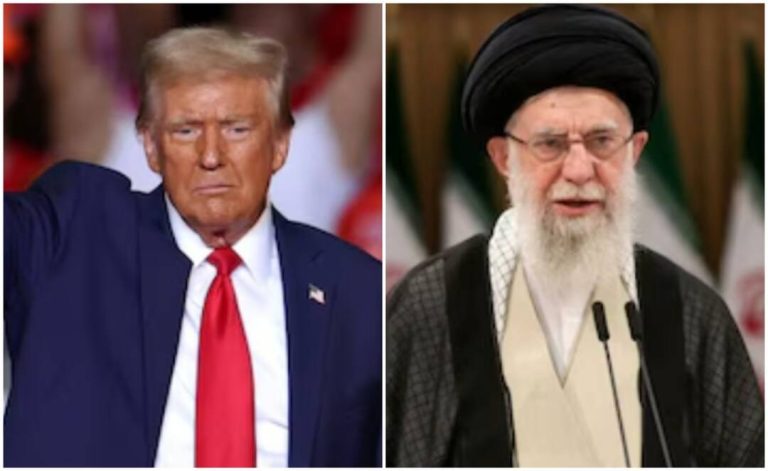
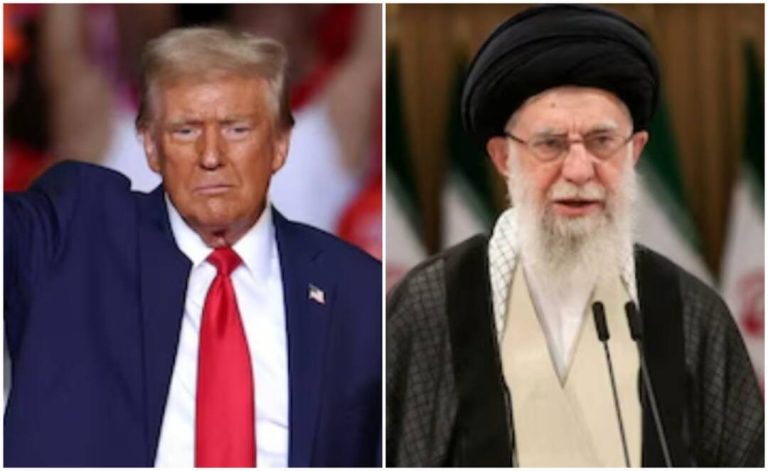
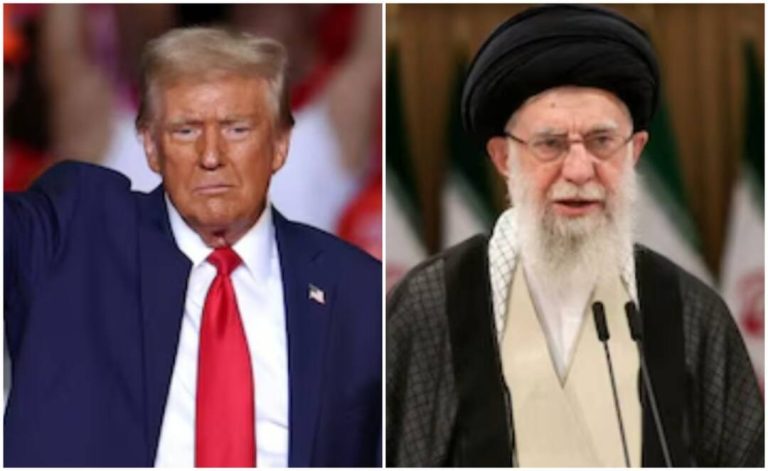
US could launch military action against Iran within ‘next 24 hours’: Report
The United States could be on the verge of launching military action against Iran, with European officials warning that an attack could come within the next 24 hours. This assessment comes as tensions between the two nations continue to escalate, with President Donald Trump issuing a stern warning to Tehran regarding the treatment of detained protesters. The situation is increasingly precarious, with both sides engaging in a war of words and threatening retaliation against each other.
At the heart of the current crisis is the Iranian government’s crackdown on protesters, who have been demonstrating against the regime’s handling of the economy and other issues. The protests have been met with a heavy-handed response from the authorities, with many protesters being detained and reportedly subjected to mistreatment. The situation has drawn international condemnation, with President Trump weighing in on the issue and warning Iran of “very strong action” if it proceeds with executing the detained protesters.
The Iranian government has responded to Trump’s warning with a counter-threat, stating that it will retaliate against American military bases in Saudi Arabia, the UAE, and Turkey if the US launches an attack. This has raised concerns about the potential for a wider conflict in the region, with the possibility of other countries being drawn into the fighting. The European officials who spoke to Reuters about the potential for US military action against Iran within the next 24 hours did not provide further details about the nature of the attack or the specific targets that might be hit.
However, it is clear that the situation is extremely volatile and that the consequences of any military action could be severe. The US has a significant military presence in the region, with bases in countries such as Saudi Arabia, the UAE, and Qatar. Iran, on the other hand, has a powerful military of its own and has developed a range of capabilities, including ballistic missiles and drones, that could be used to attack American and other targets.
The potential for a conflict between the US and Iran has been building for some time, with tensions between the two nations increasing significantly since Trump withdrew the US from the Iran nuclear deal in 2018. The deal, which was negotiated by the Obama administration, had imposed limits on Iran’s nuclear program in exchange for relief from economic sanctions. However, Trump has long been critical of the deal, arguing that it did not do enough to prevent Iran from developing nuclear weapons or engaging in other malicious activities.
Since withdrawing from the deal, the US has reimposed sanctions on Iran, which have had a devastating impact on the country’s economy. The sanctions have led to a sharp decline in the value of the Iranian currency, as well as widespread shortages of food, medicine, and other essential goods. The economic crisis has contributed to the growing unrest in Iran, with many protesters directing their anger at the government’s handling of the economy.
The situation is further complicated by the fact that Iran has been accused of engaging in a range of malicious activities, including supporting terrorist groups and developing ballistic missiles. The US has also accused Iran of being behind a series of attacks on oil tankers and other targets in the region, which Iran has denied. However, the accusations have contributed to the growing tensions between the two nations and have raised concerns about the potential for a wider conflict.
As the situation continues to unfold, it is clear that the potential for a conflict between the US and Iran is very real. The warning from European officials that the US could launch military action against Iran within the next 24 hours is a stark reminder of the dangers of the current situation. With both sides engaging in a war of words and threatening retaliation against each other, the risk of miscalculation or accidental escalation is high.
In the event of a conflict, the consequences could be severe, not just for the US and Iran, but for the wider region and the world. The conflict could lead to a significant increase in oil prices, which could have a major impact on the global economy. It could also lead to a wider destabilization of the region, with other countries being drawn into the fighting.
As the world waits with bated breath to see what will happen next, one thing is clear: the situation between the US and Iran is extremely volatile and potentially explosive. The warning from European officials that the US could launch military action against Iran within the next 24 hours is a stark reminder of the dangers of the current situation and the need for a diplomatic solution to the crisis.
For now, the world can only watch and wait as the situation continues to unfold. The hope is that a diplomatic solution can be found and that the US and Iran can avoid a conflict that could have devastating consequences for the region and the world. However, with the clock ticking and the threat of military action looming, the situation is increasingly precarious, and the risk of a wider conflict is very real.
About the Author