Showed true face: Israel accuses NYC Mayor Zohran of anti-semitism
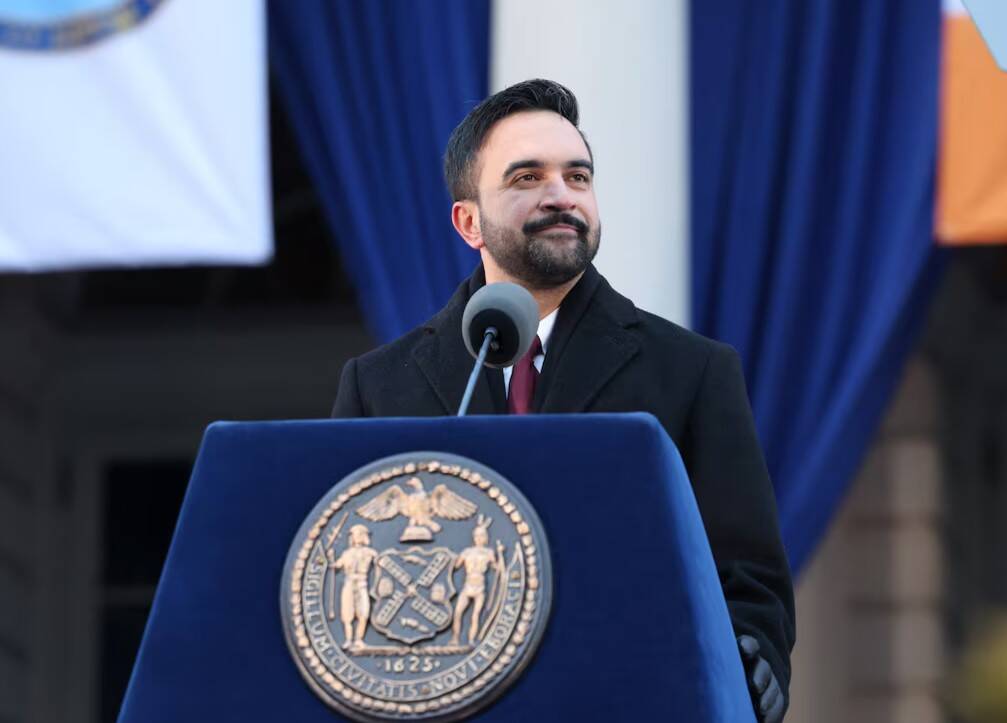
In a shocking turn of events, Israel’s foreign ministry has accused New York City Mayor Zohran Mamdani of anti-semitism, just hours after he took office. The ministry’s statement came as a response to Mayor Mamdani’s decision to scrap the IHRA definition of anti-semitism and lift restrictions on boycotting Israel. This move has sparked a heated debate, with Israel’s foreign ministry condemning the mayor’s actions as “antisemitic gasoline on an open fire.”
The IHRA definition of anti-semitism, which was adopted by the International Holocaust Remembrance Alliance in 2016, provides a comprehensive framework for understanding and identifying anti-semitic behavior. It includes examples of anti-semitic rhetoric and actions, such as denying the Jewish people’s right to self-determination and comparing Israeli policies to those of the Nazis. By scrapping this definition, Mayor Mamdani has been accused of undermining efforts to combat anti-semitism and creating a more permissive environment for hate speech.
The decision to lift restrictions on boycotting Israel has also been met with criticism. The Boycott, Divestment, and Sanctions (BDS) movement, which aims to economically isolate Israel, has been widely condemned as a form of anti-semitic discrimination. By allowing the city to engage with organizations that support BDS, Mayor Mamdani has been accused of providing a platform for anti-semitic ideology.
Israel’s foreign ministry was quick to respond to Mayor Mamdani’s actions, issuing a statement that condemned his decisions as “antisemitic gasoline on an open fire.” The ministry’s spokesperson said, “On his very first day as New York City Mayor, Mamdani shows his true face: He scraps the IHRA definition of anti-semitism and lifts restrictions on boycotting Israel. This is a clear indication of his intentions and values, and it’s a disturbing sign for the Jewish community in New York City.”
The accusation of anti-semitism is a serious one, and it has sparked a heated debate about the limits of free speech and the role of government in combating hate speech. While some have defended Mayor Mamdani’s actions as a necessary step towards promoting Palestinian rights, others have condemned them as a thinly veiled attempt to promote anti-semitic ideology.
The Jewish community in New York City has been particularly vocal in its criticism of Mayor Mamdani’s actions. Many have expressed concerns that the city’s decision to scrap the IHRA definition of anti-semitism will create a more permissive environment for hate speech and make it more difficult to combat anti-semitism. Others have accused Mayor Mamdani of being tone-deaf to the concerns of the Jewish community and of prioritizing his own ideological agenda over the needs and safety of his constituents.
As the debate continues to unfold, it remains to be seen how Mayor Mamdani will respond to the accusations of anti-semitism. Will he stand by his decisions and defend them as necessary steps towards promoting Palestinian rights, or will he backtrack and attempt to reassure the Jewish community that he is committed to combating anti-semitism? One thing is certain, however: the controversy surrounding Mayor Mamdani’s actions will continue to be a major issue in the days and weeks to come.
In conclusion, the accusation of anti-semitism against Mayor Mamdani is a serious one, and it has sparked a heated debate about the limits of free speech and the role of government in combating hate speech. As the city of New York navigates this complex and sensitive issue, it is essential that all parties involved approach the debate with sensitivity, respect, and a commitment to promoting tolerance and understanding.
About the Author