Showed true face: Israel accuses NYC Mayor Zohran of anti-semitism
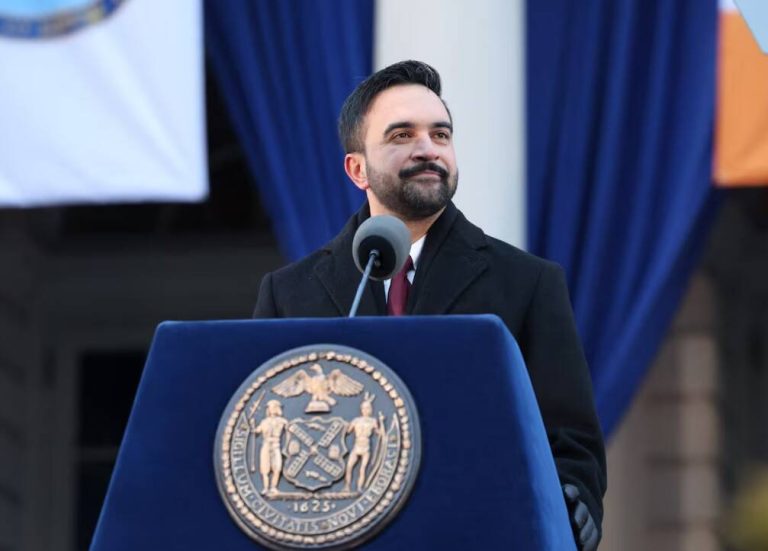
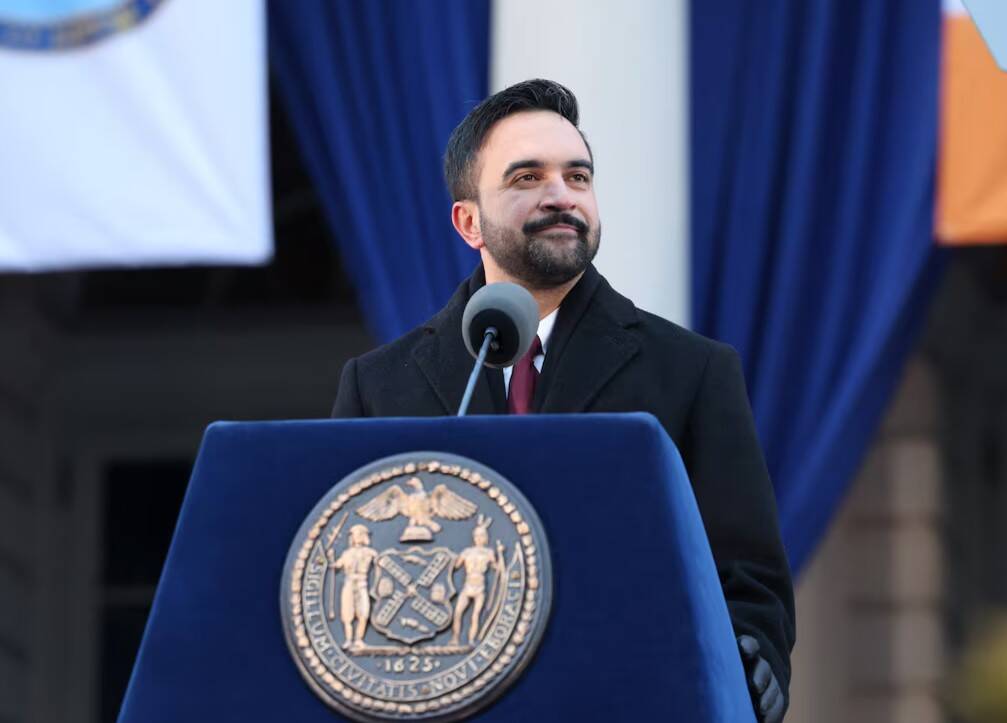
In a shocking turn of events, the Israeli foreign ministry has accused New York City Mayor Zohran Mamdani of anti-semitism, just hours after he took office. The ministry’s statement has sparked a heated debate about the definition of anti-semitism and the Boycott, Divestment, and Sanctions (BDS) movement against Israel. In this blog post, we will delve into the details of the controversy and explore the implications of the Israeli foreign ministry’s accusations.
According to reports, Mayor Mamdani scrapped the International Holocaust Remembrance Alliance (IHRA) definition of anti-semitism and lifted restrictions on boycotting Israel on his first day in office. The IHRA definition is widely accepted by many countries and organizations as a standard for identifying anti-semitic behavior. By rejecting this definition, Mayor Mamdani has raised concerns among Jewish communities and pro-Israel groups about his stance on anti-semitism.
The Israeli foreign ministry was quick to respond to Mayor Mamdani’s decision, issuing a statement that accused him of promoting anti-semitism. “On his very first day as New York City Mayor, Mamdani shows his true face: He scraps the IHRA definition of anti-semitism and lifts restrictions on boycotting Israel….It’s antisemitic gasoline on an open fire,” the ministry said to the media. This strong statement reflects the deep concern and frustration felt by the Israeli government and its supporters about the growing trend of anti-semitism and anti-Israel sentiment in the United States.
The controversy surrounding Mayor Mamdani’s decision is complex and multifaceted. On one hand, critics argue that the IHRA definition is too broad and can be used to suppress legitimate criticism of Israel’s policies towards the Palestinian people. They claim that the definition can be used to label any criticism of Israel as anti-semitic, even if it is based on factual information and is intended to promote human rights and justice. On the other hand, supporters of the IHRA definition argue that it is a necessary tool for combating anti-semitism, which is a growing concern in many parts of the world.
The BDS movement, which Mayor Mamdani has apparently endorsed by lifting restrictions on boycotting Israel, is also a highly contentious issue. The movement aims to pressure Israel to end its occupation of Palestinian territories and to promote human rights and justice for the Palestinian people. However, critics of the movement argue that it is anti-semitic and seeks to delegitimize Israel’s existence as a Jewish state.
The implications of the Israeli foreign ministry’s accusations against Mayor Mamdani are significant. If the accusations are widely accepted, they could damage Mayor Mamdani’s reputation and credibility, both domestically and internationally. They could also strain relations between New York City and Israel, which have traditionally been strong. Furthermore, the controversy could have a chilling effect on free speech and open debate about Israel and Palestine, as individuals and organizations may be reluctant to express their opinions for fear of being labeled anti-semitic.
In conclusion, the controversy surrounding Mayor Mamdani’s decision to scrap the IHRA definition of anti-semitism and lift restrictions on boycotting Israel is complex and multifaceted. While some critics argue that the decision is a necessary step towards promoting human rights and justice for the Palestinian people, others see it as a promotion of anti-semitism. The Israeli foreign ministry’s accusations against Mayor Mamdani have sparked a heated debate about the definition of anti-semitism and the BDS movement, and it remains to be seen how this controversy will unfold in the coming days and weeks.
As the situation continues to develop, it is essential to approach the issue with nuance and sensitivity. We must recognize the legitimate concerns of both the Jewish community and the Palestinian people, and work towards a solution that promotes justice, equality, and human rights for all. By engaging in open and respectful dialogue, we can hope to find a way forward that addresses the complex issues at stake and promotes a more just and peaceful world.
About the Author