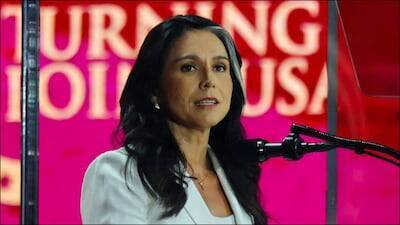
Russia doesn’t have capability to conquer Ukraine: Tulsi Gabbard
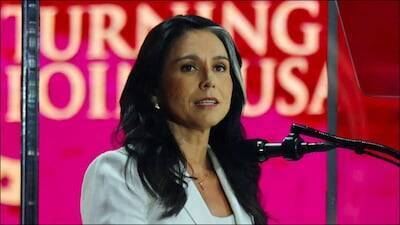
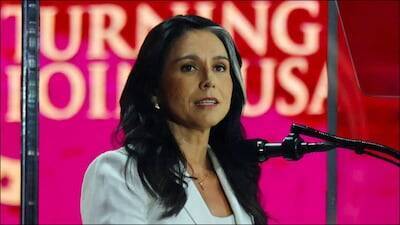
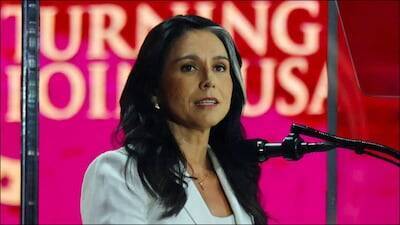
The ongoing conflict between Russia and Ukraine has been a major concern for the international community, with many speculating about the potential consequences of a full-scale war. However, according to US Director of National Intelligence Tulsi Gabbard, the threat of a Russian invasion of Europe may be exaggerated. In a recent statement, Gabbard dismissed claims that Russia could invade Europe, stating that the country lacks the capability to even conquer and occupy Ukraine.
Gabbard’s comments come as a surprise to many, as the threat of Russian aggression has been a major talking point in international relations. The US and its allies have been providing military aid to Ukraine, and there have been numerous warnings about the potential consequences of a Russian invasion. However, according to Gabbard, the US intelligence assesses that Russia does not have the capability to conquer and occupy Ukraine, let alone invade and occupy Europe.
This statement is significant, as it highlights the potential for misinformation and exaggeration in the media and among politicians. Gabbard accused “deep state warmongers” and their “propaganda media” of exaggerating threats to derail Trump-led peace efforts. This suggests that there may be a concerted effort to manipulate public opinion and create a sense of urgency around the conflict.
The role of the media in shaping public opinion cannot be overstated. The way in which information is presented can have a significant impact on how people perceive a particular issue. In the case of the Russia-Ukraine conflict, the media has often focused on the most sensational and alarming aspects of the story, creating a sense of fear and urgency. However, if Gabbard’s assessment is correct, then this fear may be unwarranted.
It is also worth noting that Gabbard’s comments may be seen as a challenge to the conventional wisdom on the Russia-Ukraine conflict. The US and its allies have been vocal in their criticism of Russia’s actions, and there has been a strong emphasis on the need to counter Russian aggression. However, if Russia does not have the capability to conquer and occupy Ukraine, then this approach may need to be reevaluated.
The implications of Gabbard’s statement are far-reaching. If Russia does not have the capability to conquer and occupy Ukraine, then the international community may need to rethink its approach to the conflict. This could involve a greater emphasis on diplomacy and negotiation, rather than military aid and confrontation.
Furthermore, Gabbard’s comments highlight the need for a more nuanced understanding of the conflict. Rather than relying on simplistic narratives and assumptions, it is essential to consider the complexities and nuances of the situation. This includes taking into account the historical context, the motivations of the various parties involved, and the potential consequences of different courses of action.
In conclusion, Tulsi Gabbard’s statement that Russia does not have the capability to conquer Ukraine is a significant development in the ongoing conflict. It highlights the potential for misinformation and exaggeration, and challenges the conventional wisdom on the issue. As the international community continues to grapple with the challenges posed by the Russia-Ukraine conflict, it is essential to approach the issue with a nuanced and informed perspective.
The comments made by Gabbard also underscore the importance of critically evaluating the information presented in the media. With the rise of social media and the 24-hour news cycle, it is easier than ever to access information and stay up-to-date on current events. However, this also creates a risk of misinformation and manipulation. It is essential to be aware of these risks and to approach information with a critical and discerning eye.
Ultimately, the Russia-Ukraine conflict is a complex and multifaceted issue, and there are no easy solutions. However, by approaching the issue with a nuanced and informed perspective, and by being aware of the potential for misinformation and exaggeration, we can work towards a more peaceful and stable resolution.
About the Author