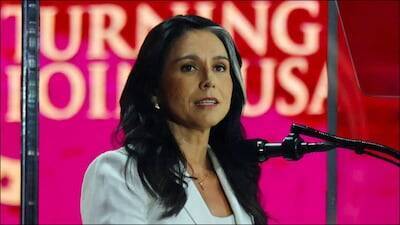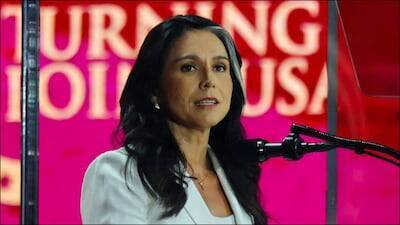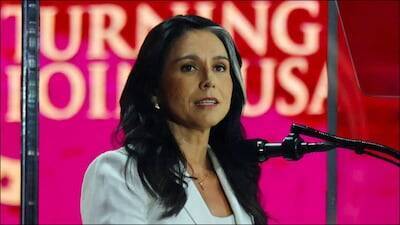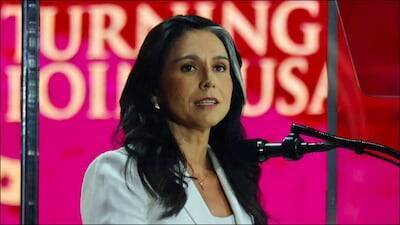
Russia doesn’t have capability to conquer Ukraine: Tulsi Gabbard
The ongoing conflict between Russia and Ukraine has been a major concern for the international community, with many speculating about the potential consequences of the conflict escalating. However, according to US Director of National Intelligence Tulsi Gabbard, Russia’s capabilities are often exaggerated, and the country does not have the capacity to conquer Ukraine, let alone invade Europe.
In a recent statement, Gabbard dismissed claims that Russia could invade Europe, stating, “Truth is that US intelligence assesses that Russia doesn’t even have the capability to conquer and occupy Ukraine, let alone invade and occupy Europe.” This statement is significant, as it highlights the limitations of Russia’s military capabilities and challenges the narrative that Russia is a significant threat to European security.
Gabbard’s comments are not only relevant to the conflict in Ukraine but also have implications for the broader geopolitical landscape. The US and its allies have been engaged in a diplomatic effort to resolve the conflict, with the Trump administration playing a key role in these efforts. However, Gabbard accused “deep state warmongers” and their “propaganda media” of exaggerating threats to derail these peace efforts.
The concept of “deep state warmongers” refers to the idea that there are individuals and groups within the government and intelligence agencies who are pushing for a more aggressive foreign policy, often in conflict with the stated goals of the administration. Gabbard’s accusation suggests that these individuals and groups are using propaganda and misinformation to shape public opinion and influence policy decisions.
The role of propaganda and misinformation in shaping public opinion is a significant concern, particularly in the context of international conflicts. The spread of false or exaggerated information can create a climate of fear and uncertainty, which can be used to justify military action or other aggressive measures. In the case of the Russia-Ukraine conflict, the exaggeration of Russia’s capabilities and intentions can create a self-fulfilling prophecy, where the perception of a threat becomes a reality.
Gabbard’s statement is also significant because it highlights the importance of objective analysis and intelligence assessment in shaping policy decisions. The US intelligence community has a critical role to play in providing accurate and unbiased information to policymakers, and Gabbard’s comments suggest that this information is not always reflected in public discourse.
The implications of Gabbard’s statement are far-reaching, and challenge the prevailing narrative about the Russia-Ukraine conflict. If Russia does not have the capability to conquer Ukraine, then the focus of international efforts should shift from military preparedness to diplomatic engagement and conflict resolution. This would require a fundamental shift in the approach of the US and its allies, from a focus on military deterrence to a focus on diplomatic engagement and cooperation.
In conclusion, Tulsi Gabbard’s statement highlights the importance of objective analysis and intelligence assessment in shaping policy decisions. The exaggeration of Russia’s capabilities and intentions can create a climate of fear and uncertainty, which can be used to justify military action or other aggressive measures. The international community should focus on diplomatic engagement and conflict resolution, rather than military preparedness, to resolve the Russia-Ukraine conflict.
As the situation continues to unfold, it is essential to rely on credible sources of information and to approach the conflict with a critical and nuanced perspective. The spread of misinformation and propaganda can have significant consequences, and it is crucial to separate fact from fiction in order to make informed decisions.
For more information on this topic, readers can follow the latest developments on the News18 website, which provides in-depth coverage of the Russia-Ukraine conflict and its implications for international relations.
About the Author