Russia doesn’t have capability to conquer Ukraine: Tulsi Gabbard
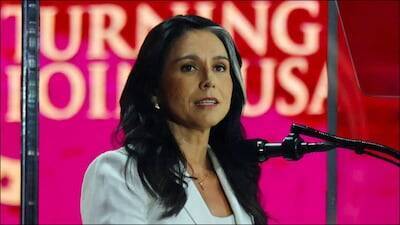
The ongoing conflict between Russia and Ukraine has been a major concern for the international community, with many speculating about the potential consequences of the war. However, according to US Director of National Intelligence Tulsi Gabbard, Russia’s capabilities have been greatly exaggerated. In a recent statement, Gabbard dismissed claims that Russia could invade Europe, stating that the country doesn’t even have the capability to conquer and occupy Ukraine.
Gabbard’s statement is a significant departure from the rhetoric that has been circulating in the media, which has often portrayed Russia as a formidable and aggressive force. However, according to Gabbard, the truth is that Russia’s military capabilities are not as strong as they are often made out to be. “The truth is that US intelligence assesses that Russia doesn’t even have the capability to conquer and occupy Ukraine, let alone invade and occupy Europe,” she said.
This assessment is likely to be met with skepticism by some, particularly those who have been following the conflict in Ukraine and have seen the devastating impact of Russian aggression. However, Gabbard’s statement is not just a matter of opinion – it is based on the latest intelligence assessments from the US government. According to Gabbard, the US intelligence community has been closely monitoring the situation in Ukraine and has concluded that Russia’s military is not capable of achieving its stated objectives.
Gabbard also took aim at what she called “deep state warmongers” and their “propaganda media” for exaggerating the threats posed by Russia. According to her, these groups have been working to derail the peace efforts led by the Trump administration, which have been focused on finding a diplomatic solution to the conflict. By exaggerating the threats posed by Russia, these groups have been able to create a sense of urgency and fear, which has been used to justify increased military spending and intervention in the region.
The role of the media in shaping public opinion on the conflict in Ukraine cannot be overstated. The media has a significant influence on how people perceive the conflict, and the way that it is reported can have a major impact on public opinion. Unfortunately, much of the coverage of the conflict has been sensationalized, with many outlets focusing on the most dramatic and alarming aspects of the story. This has created a narrative that is often at odds with the facts on the ground, and has contributed to a sense of hysteria and fear that is not justified by the evidence.
Gabbard’s statement is a timely reminder that the truth is often more complex and nuanced than the simplistic narratives that are presented in the media. While the conflict in Ukraine is certainly a serious and concerning issue, it is not the existential threat that some have made it out to be. By presenting a more balanced and realistic assessment of the situation, Gabbard is helping to cut through the hype and hysteria that has surrounded the conflict, and is providing a more accurate understanding of the facts on the ground.
The implications of Gabbard’s statement are significant, and have major implications for US foreign policy. If Russia does not have the capability to conquer and occupy Ukraine, then the US and its allies should be focusing on finding a diplomatic solution to the conflict, rather than relying on military intervention. This would require a major shift in approach, and would likely involve a significant reduction in tensions between the US and Russia.
In conclusion, Tulsi Gabbard’s statement is a significant development in the ongoing conflict between Russia and Ukraine. By presenting a more balanced and realistic assessment of the situation, Gabbard is helping to cut through the hype and hysteria that has surrounded the conflict, and is providing a more accurate understanding of the facts on the ground. As the US and its allies continue to navigate this complex and challenging situation, it is essential that they are guided by a clear and accurate understanding of the facts, rather than by sensationalized narratives and exaggerated threats.
About the Author