Russia doesn’t have capability to conquer Ukraine: Tulsi Gabbard
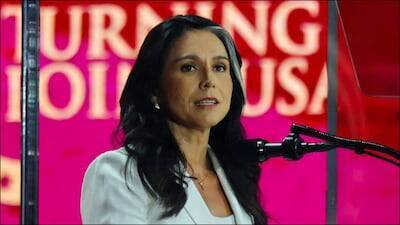
The ongoing conflict between Russia and Ukraine has been a major concern for the international community, with many speculating about the potential consequences of the war. However, according to US Director of National Intelligence Tulsi Gabbard, the threat of a Russian invasion of Europe is being exaggerated. In a recent statement, Gabbard dismissed claims that Russia could invade Europe, stating that the country doesn’t even have the capability to conquer and occupy Ukraine.
Gabbard’s statement is significant, as it contradicts the narrative that has been presented by many in the media and the intelligence community. For months, there have been warnings about the potential for a Russian invasion of Europe, with some even suggesting that the conflict in Ukraine could be the precursor to a larger war. However, according to Gabbard, these warnings are unfounded and are being fueled by “deep state warmongers” and their “propaganda media.”
The idea that Russia could invade Europe is not a new one. For years, there have been concerns about the country’s military expansion and its intentions in the region. However, Gabbard’s statement suggests that these concerns are overblown and that Russia’s military capabilities are not as strong as many have suggested.
Gabbard’s assessment is based on US intelligence, which has been monitoring the situation in Ukraine and Russia closely. According to Gabbard, the intelligence suggests that Russia’s military is not capable of conquering and occupying Ukraine, let alone invading and occupying Europe. This is a significant statement, as it suggests that the threat of a Russian invasion of Europe is not as great as many have suggested.
Gabbard’s comments are also significant because they come at a time when there are ongoing efforts to negotiate a peace agreement between Russia and Ukraine. The conflict in Ukraine has been ongoing for years, and there have been numerous attempts to negotiate a peace agreement. However, these efforts have been hindered by the lack of trust between the two sides and the involvement of external actors.
Gabbard accused “deep state warmongers” and their “propaganda media” of exaggerating the threats posed by Russia in order to derail the peace efforts led by the Trump administration. This is a significant accusation, as it suggests that there are those who are actively working to undermine the peace process.
The role of the media in shaping public opinion about the conflict in Ukraine cannot be overstated. For months, the media has been filled with stories about the potential for a Russian invasion of Europe, and the threat that Russia poses to the region. However, Gabbard’s statement suggests that these stories are not based in reality and are instead being fueled by a desire to promote a particular agenda.
The implications of Gabbard’s statement are significant. If Russia does not have the capability to conquer and occupy Ukraine, then the threat of a Russian invasion of Europe is not as great as many have suggested. This could have significant implications for the peace negotiations between Russia and Ukraine, as it could reduce the sense of urgency and allow for a more constructive dialogue.
In conclusion, the statement by Tulsi Gabbard that Russia doesn’t have the capability to conquer Ukraine is a significant one. It suggests that the threat of a Russian invasion of Europe is being exaggerated and that the country’s military capabilities are not as strong as many have suggested. Gabbard’s comments are also significant because they come at a time when there are ongoing efforts to negotiate a peace agreement between Russia and Ukraine.
As the situation in Ukraine continues to evolve, it is essential to approach the situation with a critical and nuanced perspective. The media and the intelligence community have a significant role to play in shaping public opinion about the conflict, and it is essential that they provide accurate and unbiased information.
The statement by Gabbard is a reminder that the situation in Ukraine is complex and multifaceted, and that there are many different perspectives and opinions about the conflict. As the international community continues to grapple with the implications of the conflict, it is essential that we approach the situation with a sense of nuance and understanding.
About the Author