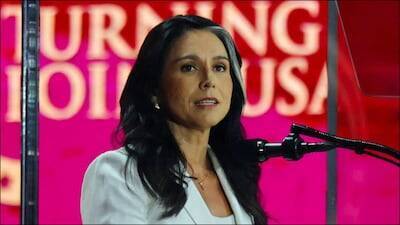
Russia doesn’t have capability to conquer Ukraine: Tulsi Gabbard
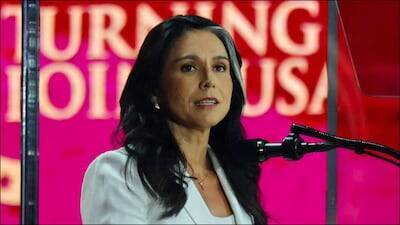
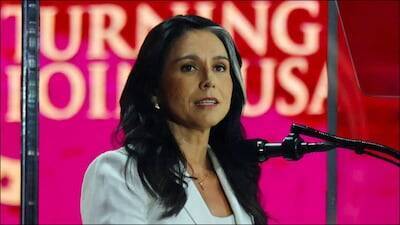
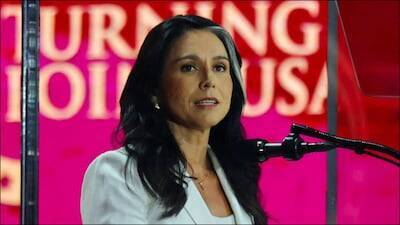
In a recent statement, US Director of National Intelligence Tulsi Gabbard has downplayed the threat of a potential Russian invasion of Europe. According to Gabbard, the idea that Russia has the capability to conquer and occupy Ukraine, let alone invade and occupy Europe, is greatly exaggerated. This assessment is based on US intelligence, which suggests that Russia’s military capabilities are not sufficient to achieve such ambitious goals.
Gabbard’s comments come at a time when tensions between Russia and the West are running high. The ongoing conflict in Ukraine has sparked fears of a broader conflict, with some warning of a potential Russian invasion of Europe. However, Gabbard’s statement suggests that these fears are unfounded. “Truth is that US intelligence assesses that Russia doesn’t even have…capability to conquer and occupy Ukraine, let alone invade and occupy Europe,” she said.
Gabbard’s assessment is likely to be seen as a significant departure from the prevailing narrative in the Western media, which has often portrayed Russia as a formidable military power with expansionist ambitions. However, Gabbard’s comments suggest that this narrative is exaggerated and that the threat posed by Russia is not as great as it is often made out to be.
Gabbard also took aim at what she termed “deep state warmongers” and their “propaganda media” for exaggerating the threat posed by Russia. According to Gabbard, these groups are seeking to derail peace efforts led by the Trump administration. By exaggerating the threat posed by Russia, these groups are able to create a sense of urgency and justify increased military spending and a more aggressive foreign policy.
The idea that Russia is seeking to invade and occupy Europe is a narrative that has been perpetuated by many in the Western media. However, this narrative is not supported by the facts. While Russia has certainly been involved in the conflict in Ukraine, its goals are more limited than a full-scale invasion of Europe. Russia’s primary objective is to protect the rights of Russian-speaking minorities in Ukraine and to prevent the country from joining NATO.
Gabbard’s comments are also significant because they highlight the role of the “deep state” in shaping US foreign policy. The term “deep state” refers to a group of unelected officials and bureaucrats who are said to wield significant influence over US policy. According to Gabbard, these officials are seeking to undermine the Trump administration’s peace efforts and promote a more aggressive foreign policy.
The implications of Gabbard’s comments are far-reaching. If Russia does not have the capability to conquer and occupy Ukraine, then the need for a significant US military presence in the region is greatly diminished. This could lead to a reduction in tensions between the US and Russia, and potentially even a withdrawal of US troops from the region.
Furthermore, Gabbard’s comments highlight the need for a more nuanced understanding of the conflict in Ukraine. Rather than simply portraying Russia as an aggressor, it is necessary to understand the complex historical and cultural context of the conflict. This includes the role of Russian-speaking minorities in Ukraine, as well as the country’s complex relationship with NATO.
In conclusion, Tulsi Gabbard’s comments on Russia’s capability to conquer Ukraine are a significant departure from the prevailing narrative in the Western media. By downplaying the threat posed by Russia, Gabbard’s comments highlight the need for a more nuanced understanding of the conflict in Ukraine. They also suggest that the “deep state” and its allies in the media are seeking to exaggerate the threat posed by Russia in order to promote a more aggressive foreign policy.
As the situation in Ukraine continues to unfold, it is essential to approach the issue with a critical and nuanced perspective. Rather than simply accepting the prevailing narrative, it is necessary to consider the facts and to evaluate the motivations of those who are seeking to shape US foreign policy. By doing so, we can work towards a more peaceful and stable resolution to the conflict, and avoid the dangers of a broader war.
About the Author