Russia doesn’t have capability to conquer Ukraine: Tulsi Gabbard
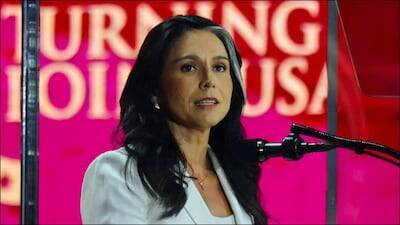
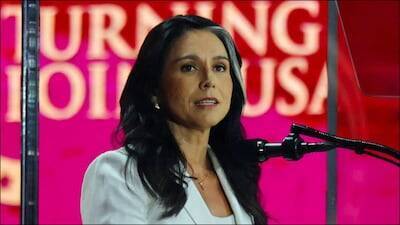
The ongoing conflict between Russia and Ukraine has been a major concern for the international community, with many speculating about the potential consequences of a full-scale war. Recently, US Director of National Intelligence Tulsi Gabbard weighed in on the issue, offering a surprising assessment of Russia’s military capabilities. In a statement made on Sunday, Gabbard dismissed claims that Russia could invade Europe, stating that the country lacks the capability to even conquer and occupy Ukraine.
According to Gabbard, “Truth is that US intelligence assesses that Russia doesn’t even have the capability to conquer and occupy Ukraine, let alone invade and occupy Europe.” This statement is significant, as it contradicts the narrative that has been perpetuated by some in the media and political circles that Russia poses an existential threat to Europe. Gabbard’s comments suggest that the threat posed by Russia has been exaggerated, and that the country’s military capabilities are not as formidable as some have made them out to be.
Gabbard also took aim at what she referred to as “deep state warmongers” and their “propaganda media” for exaggerating the threats posed by Russia. She accused these groups of attempting to derail peace efforts led by the Trump administration, and of promoting a narrative that is not supported by the facts. This criticism is likely to resonate with those who have been skeptical of the media’s coverage of the Russia-Ukraine conflict, and who believe that the threat posed by Russia has been overstated.
The Russia-Ukraine conflict has been ongoing for several years, with both sides suffering significant losses. The conflict began in 2014, after Ukraine’s pro-Russian president was ousted in a popular uprising. Russia responded by annexing the Crimean Peninsula, and has since supported separatist rebels in eastern Ukraine. The conflict has resulted in thousands of deaths, and has had a significant impact on the global economy.
Despite the ongoing conflict, there have been efforts to negotiate a peace settlement. The Trump administration has been involved in these efforts, with the President himself meeting with Russian leader Vladimir Putin on several occasions. However, these efforts have been hindered by opposition from some in the US political establishment, who have been critical of Trump’s approach to Russia.
Gabbard’s comments are likely to be seen as supportive of the Trump administration’s efforts to negotiate a peace settlement with Russia. By downplaying the threat posed by Russia, Gabbard is suggesting that the US has more room to maneuver in its dealings with the country. This could potentially lead to a breakthrough in negotiations, and a reduction in tensions between the two powers.
It’s worth noting that Gabbard’s assessment of Russia’s military capabilities is not universally accepted. Some experts have argued that Russia’s military has made significant strides in recent years, and that the country poses a significant threat to European security. However, Gabbard’s comments are supported by some evidence, including the fact that Russia’s military has struggled to make significant gains in Ukraine despite its superior firepower.
In conclusion, Tulsi Gabbard’s comments on Russia’s military capabilities are a significant development in the ongoing debate about the country’s role in the world. By suggesting that Russia lacks the capability to conquer and occupy Ukraine, Gabbard is challenging the narrative that has been perpetuated by some in the media and political circles. Her criticism of “deep state warmongers” and their “propaganda media” is also likely to resonate with those who have been skeptical of the media’s coverage of the Russia-Ukraine conflict.
As the situation in Ukraine continues to unfold, it will be important to monitor the developments and see how Gabbard’s comments are received by the international community. One thing is certain, however: the conflict between Russia and Ukraine is complex and multifaceted, and will require a nuanced and informed approach to resolve.
About the Author